SUPA Component 1 Organizes Concept Note on Development Training for Indonesia and Malaysia

The Sustainable Use of Peatland and Haze Mitigation in ASEAN (SUPA) Component 1 has three work areas. Work area 2 focuses on specific support to ASEAN Member States (AMS) for the implementation of ASEAN Peatland Management Strategy (APMS) and National Action Plan for Peatlands (NAPPs) via SUPA funds. The support will be done through funding allocation which will be distributed to eligible AMS through a restricted call for proposals.
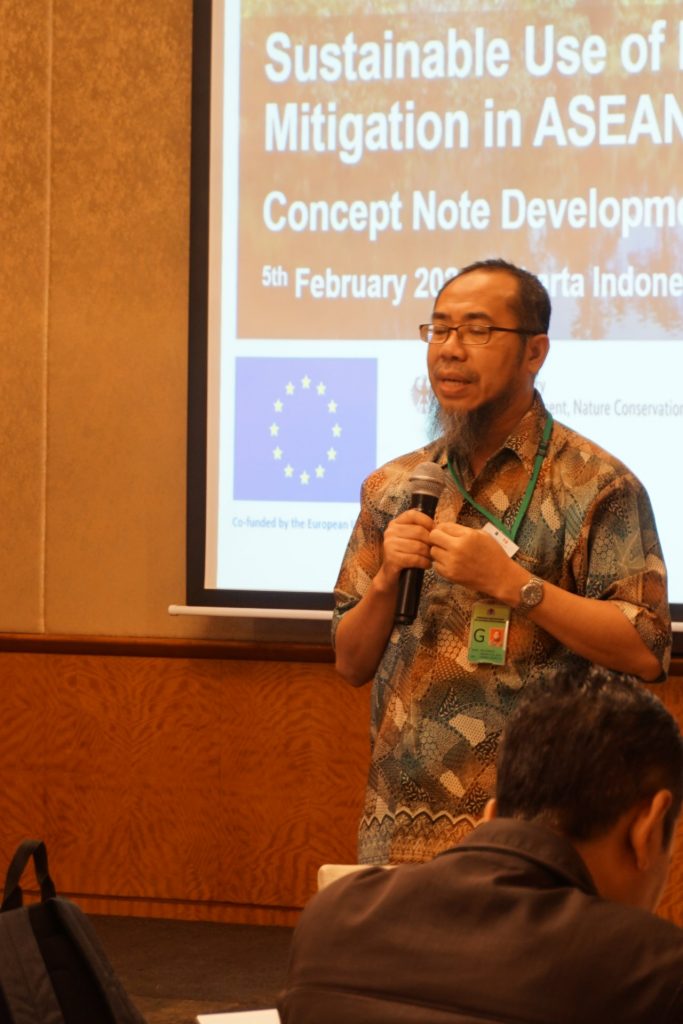
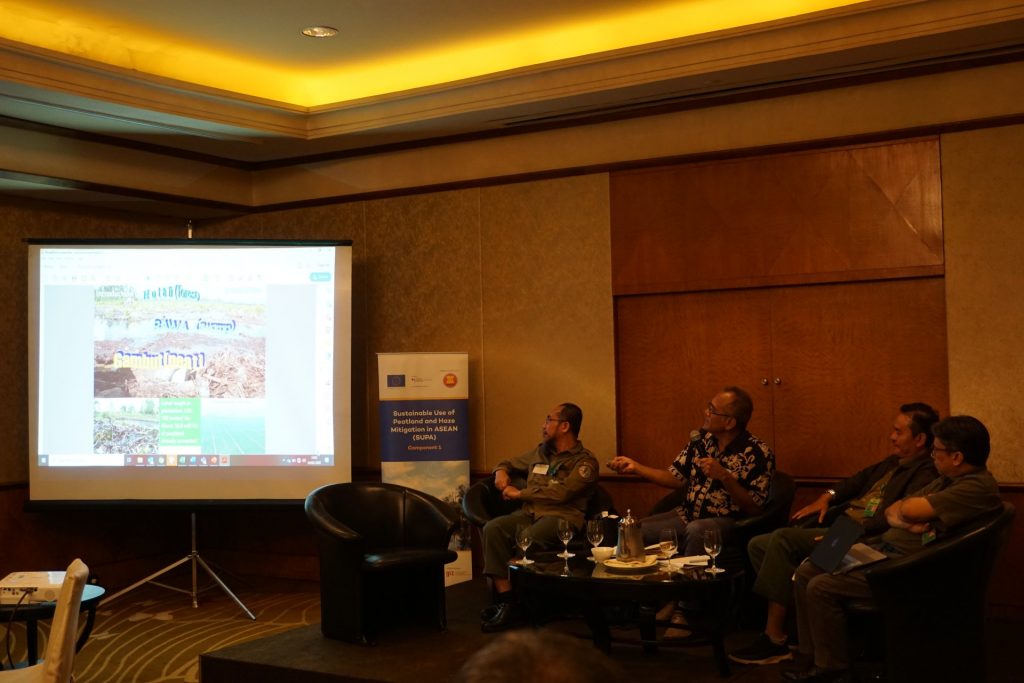
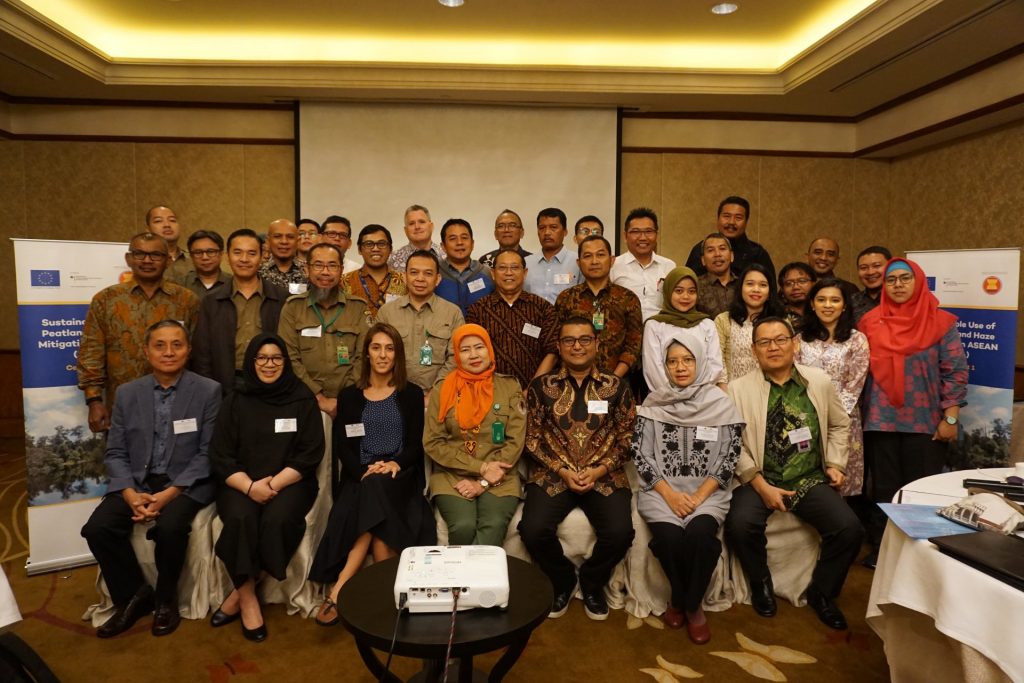
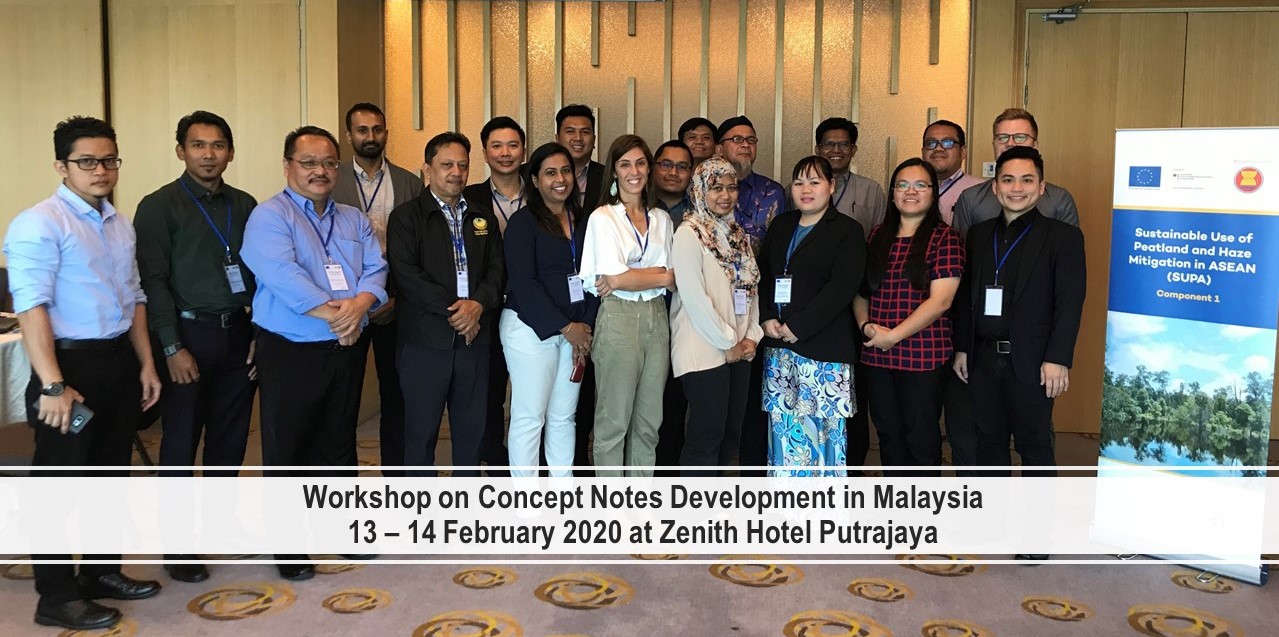
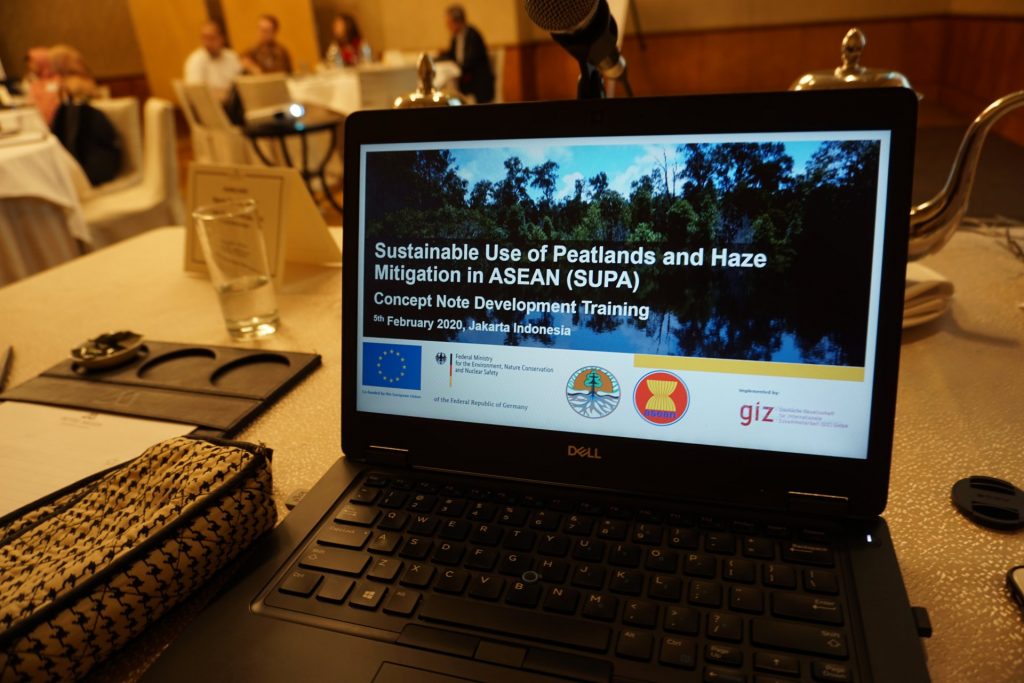
GIZ Concept Note on Development Training, held for Indonesia on 5-6 February 2020 and for Malaysia on 13-14 February 2020, was the first activity related to Work Area 2. The goal of these workshops was to improve the capacities of AMS to develop project-related concept note drafts to apply for SUPA funds. During the two-day workshop, participants of relevant units from the Ministry of Environment and Forestry (KHLK) in Indonesia and the Ministry of Water, Land and Natural Resources (KATS) in Malaysia as well as other ministries and state agencies with a mandate related to peatland and fire issues brainstormed ideas and presented initial concept note drafts for feedback.
The national focal points for peatlands In Indonesia and Malaysia, KHLK and KATS, thanked for the provision of funds to support sustainable peatland management on ground, and expressed appreciation for the training opportunity to develop integrated and high-quality concept notes. 
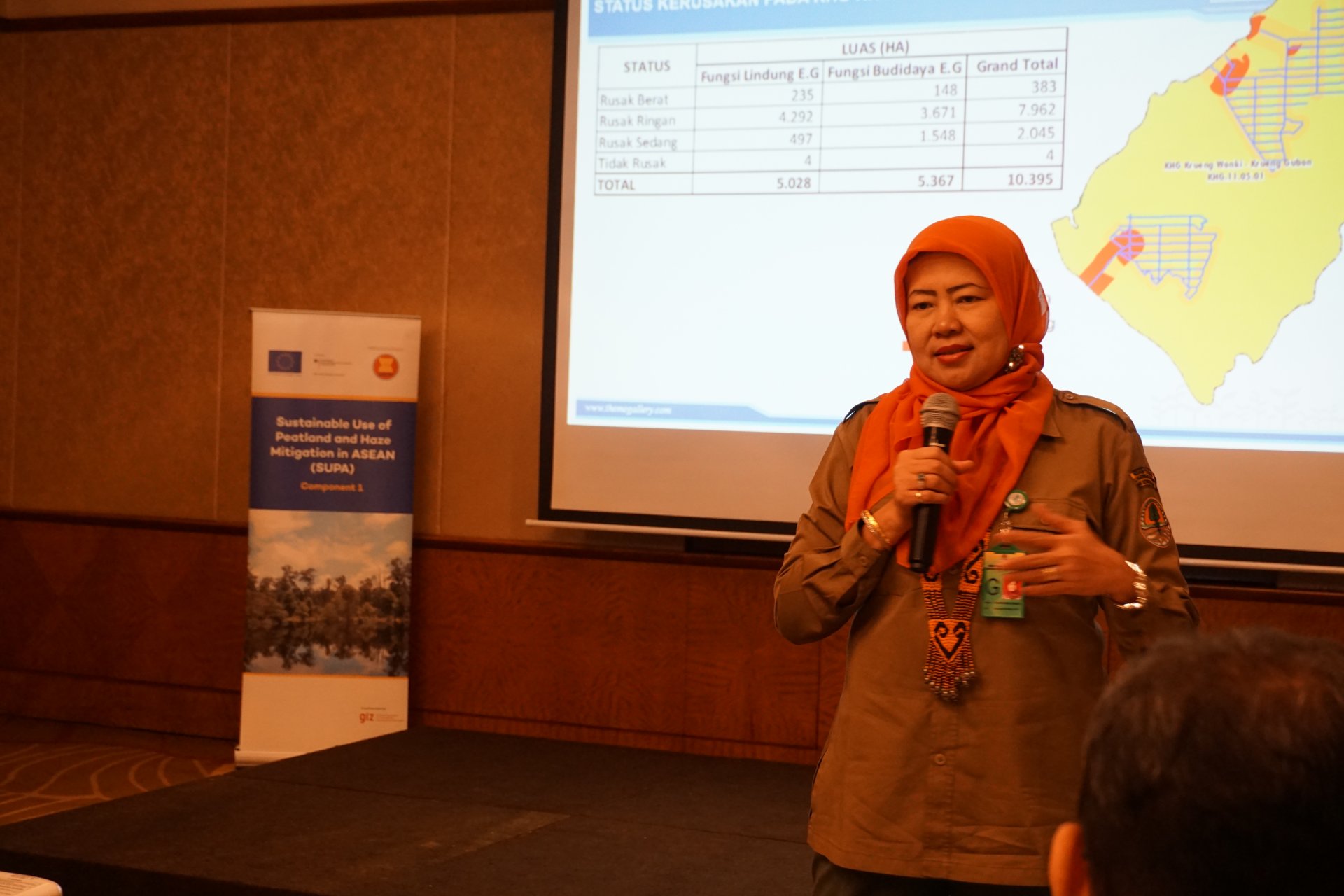
SUPA National Workshop in Indonesia and Malaysia

Sustainable Use of Peatland and Haze Mitigation in ASEAN (SUPA) Component 1 and Directorate of Peat Degradation Control (DPKG) of the Ministry of Environment and Forestry of the Republic of Indonesia (KLHK) held the launching of SUPA’s Pilot Site in Indonesia on 4th February 2020 in Jakarta.

During the workshop, KLHK announced that the pilot site of SUPA Component 1 in Indonesia will be located in the Aceh Province. There are 3 peat areas in Aceh namely Tripa, Singkil and Kluet. Pilot villages will be selected based on the National Medium-term Planning (RPJMN), taking into considerations criteria like status of the land (preferably land should have a clear ownership status and the limits should be clearly delineated), the willingness of local stakeholders to get involved, as well as lessons learnt from sites that have high potential for upscaling.

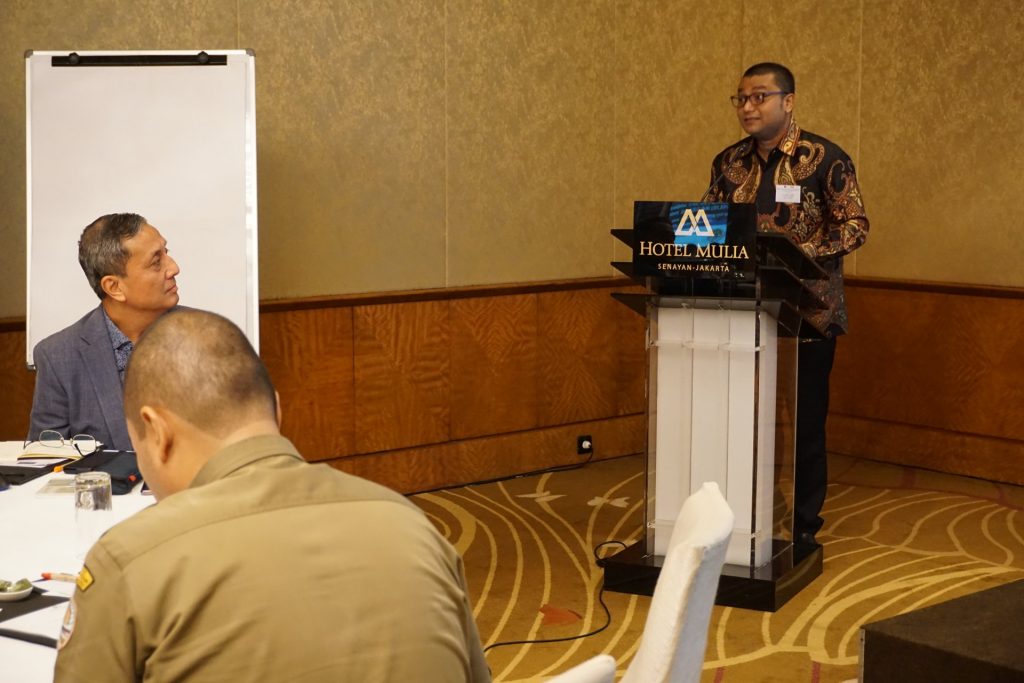
In the opening remarks, the Director of Peat Degradation Control SPM Budi Susanti thanked EU and BMU for the continued support to Indonesia, especially in peat management. She also hoped that SUPA can help contribute further evidence towards effective and efficient approaches in protecting and managing peatlands in Indonesia.

Meanwhile, on 12th February 2020, Sustainable Use of Peatland and Haze Mitigation in ASEAN (SUPA) Component 1 and the Biodiversity and Forestry Management Division of Ministry of Water, Land and Natural Resources (KATS) of Malaysia organised “Workshop on Generating Pilot Experience in Malaysia” in Putrajaya.

During the workshop, participants discussed the current status and condition of peatlands and how they are managed in Malaysia; shared practical experiences on sustainable use of peatland and fire management; discussed a set of criteria for selecting the pilot site; and identified potential sites within Pahang, Selangor and Sarawak which fit to the selection criteria of the pilot site. KATS collected all the pilot site proposals and arguments, and will present them to the Jawatankuasa Induk Tanah Gambut Malaysia (National Peatland Steering Committee) for the final decision on the selected pilot site. The pilot project aspires to demonstrate how a peatland, within the landscape or peatland hydrological unit, can be restored and/or rehabilitated through sustainable peatland management options.