SUPA/ASEAN REPEAT Concludes its Five Years of Implementation in ASEAN

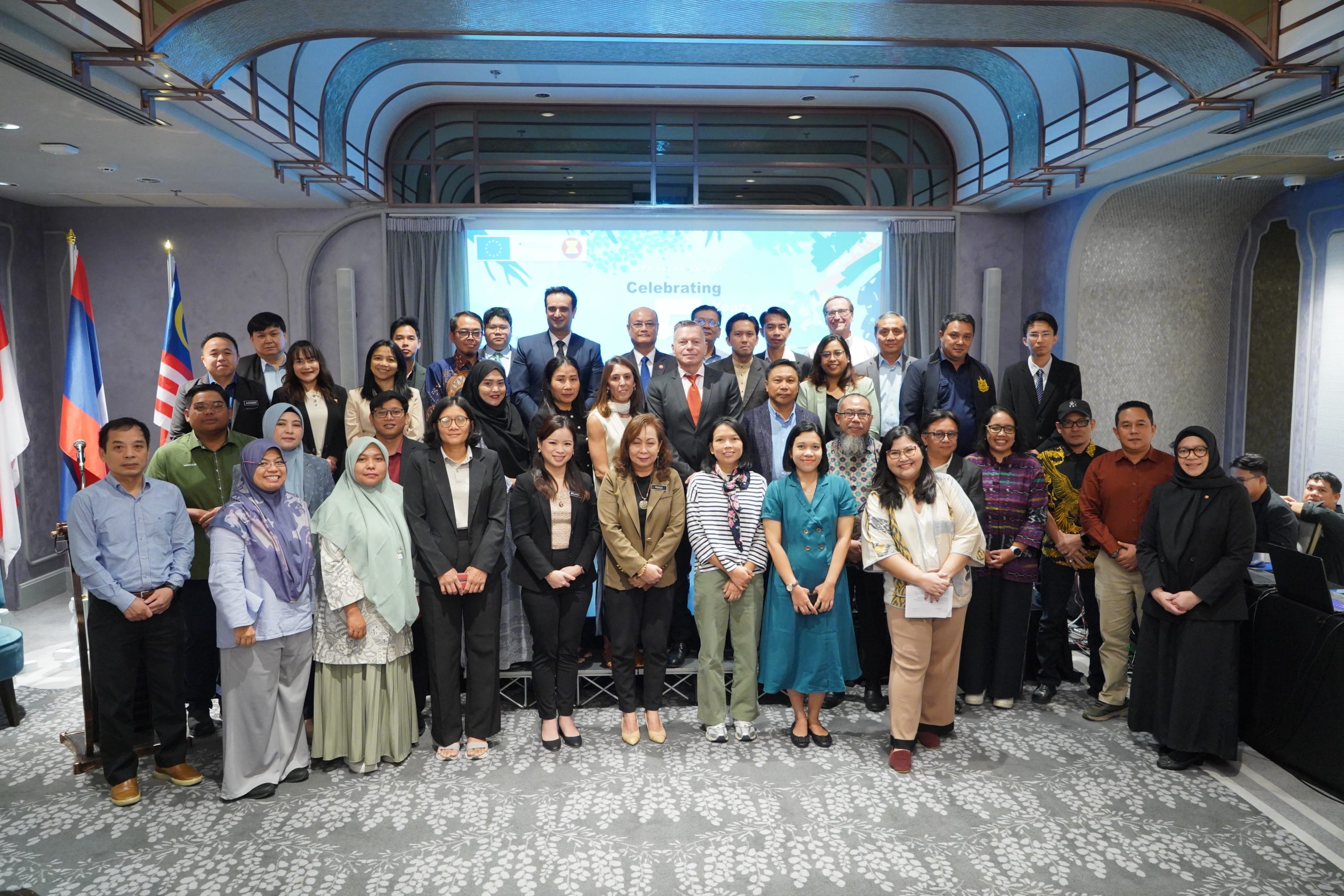
BANGKOK, 7 November 2024 – Sustainable Use of Peatlands and Haze Mitigation in ASEAN/Strengthening Regional Experiences on Sustainable Peatland Management in ASEAN (SUPA/ASEAN REPEAT) organised its closing meeting on 6-7 November 2024 in Bangkok, Thailand. The meeting showcased the achievements and success that the project has done in the span of five years of implementation in the region.

A Legacy of Collaboration and Achievements

As the curtain fell on the SUPA/ASEAN REPEAT project, it became clear that the initiative had made lasting strides in addressing one of the region’s most pressing environmental challenges—peatland degradation. Over the past five years, the project has not only contributed to the implementation of the ASEAN Peatland Management Strategy (APMS) but also laid the groundwork for more resilient and sustainable livelihoods across ASEAN Member States (AMS).

The closing event kicked off with an enlightening presentation by Remote Sensing Solutions GmbH, who revealed an updated peatland map for Southeast Asia—an invaluable tool in monitoring and managing these vital ecosystems. However, it was the second day of the meeting that truly encapsulated the emotional weight of the project’s achievements as ASEAN Member States (AMS), the ASEAN Secretariat, and SUPA/ASEAN REPEAT team gathered for one last time under the SUPA/ASEAN REPEAT event. Representatives from German Embassy in Bangkok and EU Delegation to ASEAN were also present.

Dr. Vong Sok, Head of the Environment Division of the ASEAN Secretariat, delivered a heartfelt message highlighting the significant contribution of the SUPA/ASEAN REPEAT in championing the implementation of the APMS, which include the support for the development of the Second APMS (2023-2030). “On behalf of the ASEAN Secretasriat and ASEAN Member States, we would like to convey our appreciation to Germany and EU for the generous support and reiterate our commitment to continue our efforts for integrated peatland management, engage with stakeholders and the community, for resilient and sustainable livelihoods.”

Reflecting on the Journey: From Concept to Impact

In a poignant online address, Mr. Muamar Vebry, Programme Manager for Climate Change and Disaster Management at the EU Delegation to Indonesia and ASEAN, took attendees on a journey back to the early days of the project. He noted that the SUPA initiative had been a “pioneering endeavour in sustainable peatland management across ASEAN.” He also highlighted the project’s achievements “We have tirelessly supported the implementation of ASEAN Peatland Management Strategy (APMS) and strengthened the capacity of AMS with over 30 capacity building activities and more than 1,000 individuals trained,” he said.

Indeed, the project’s holistic approach—spanning regional, national, and local levels—was a defining feature of its success. Throughout the meeting, the event’s design allowed for a deep dive into the various interventions and collaborations that had shaped the project.

A highlight of the event was the engaging panel discussion on strengthening regional cooperation and capacity building, which featured key experts: Mr. Muhammad Askary from Ministry of Environment and Forestry of Republic Indonesia, Ms. Nadzmin Ahmad Nazir from Ministry of Natural Resources and Environmental Sustainability Malaysia, Dr. Israr Albar from Ministry of Environment and Forestry of Republic Indonesia, and Ms. Mardiah Hayati from ASEAN Secretariat. The discussion underscored the importance of continued collaboration between ASEAN nations in order to enhance the region’s collective capacity to manage peatlands effectively.

From National Strategies to Local Action: Making a Difference on the Ground

The impact of the project was felt not only at the regional level but also through its tailored support at the national level. During the meeting, representatives from several ASEAN Member States presented their experiences with implementing the APMS and National Action Plans for Peatlands (NAPPs) through grant funding from the project. These presentations offered a candid look at both the successes and the challenges encountered along the way—and provided valuable insights for future efforts.

The local impact was equally significant. Representatives from the SUPA pilot sites in Pahang, Malaysia, and Aceh, Indonesia, shared their firsthand experiences, detailing how the project had helped build local capacity and foster community-driven solutions to peatland management. These grassroots efforts, coupled with national and regional strategies, have provided a blueprint for sustainable peatland management in the ASEAN region.

Looking Ahead: Building on a Strong Foundation

While the SUPA/ASEAN REPEAT project may have come to a close, the momentum it has generated is far from over. As Mr. Hans-Ulrich Südbeck, Head of the Economic Department at the German Embassy in Bangkok, noted during his opening remarks, “Looking into the future of the collaboration of German-ASEAN, we will put a strong focus on the new project which is Southeast Asia Clean Air Initiative. This is aiming at ensuring a smooth transition of efforts from SUPA to broader climate action in the region.”

In accordance with Mr. Südbeck’s comments, GIZ also introduced new projects “Sustainable Land Use & Climate Action Policy in ASEAN (CAP)” and “Integrated Approaches for Air Quality Management & Climate Change in Southeast Asia or Southeast Asia Clean Air Initiative (SEACAI)” which would continue the legacy of SUPA/ASEAN REPEAT in mitigating the climate change and air pollution in Southeast Asia.

Ms. Barbara Goncalves from SUPA/ASEAN REPEAT shared the lessons learned from the programme, and Mr. Shameer Khanal, GIZ Cooperation Area Lead ASEAN wrapped up the event.

A Farewell, But Not Goodbye

As the project’s formal activities had concluded, its impact would continue to resonate across the ASEAN region. The contributions of the donors, partners, and stakeholders were acknowledged, with a shared sense of gratitude for the collective efforts that had made SUPA/ASEAN REPEAT a success.

The achievements of SUPA/ASEAN REPEAT

Watch the achievement video: SUPA/ASEAN REPEAT: Celebrating Five Years of Implementation in ASEAN
SUPA Component 1 Organised GIS Training for Peatland Mapping in Lao PDR and the Philippines

It is estimated that 40% of the world’s known tropical peatlands and roughly 6% of the entire extent of global peatland resource are found in Southeast Asia, covering an estimated area of 23 million hectares. These peatlands are valuable ecosystems, critical for preserving biodiversity and storing carbon. Drainage and unsustainable management practices have made peatlands vulnerable to fire, which then creates toxic smoke in the region and that poses serious health hazards and emits tons of greenhouse gases. One of the main strategies to conserve peatlands is through mapping and monitoring. This enables experts and policy makers to locate where peatlands are (location and extension) and monitor changes in peatland condition, allowing for effective strategies and action on the ground to be in place in order to counter degradation and restoration intervention, if needed. Mapping peatlands also help countries to plan and better manage this carbon-rich ecosystem. Without accurate peat map at nationwide scale, managing peatlands would be cumbersome.

Among the methods to identify peatlands is through Geographic Information Systems (GIS) – a computer system for capturing, storing, checking, and displaying data on the Earth’s surface. In GIS, different satellite imageries that are sensitive to the bio-physical properties of peatlands can be integrated to map them and estimate their extension.

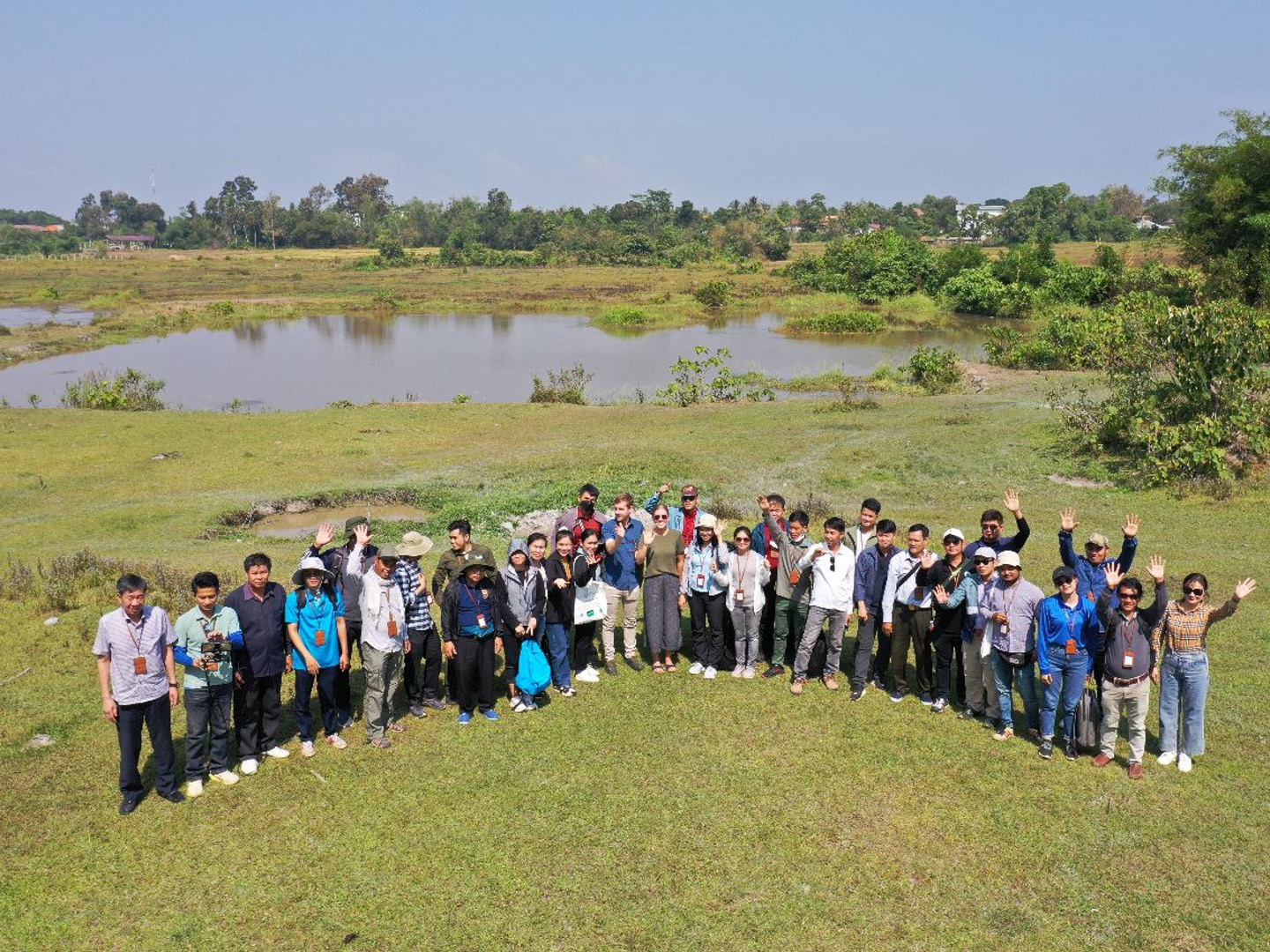
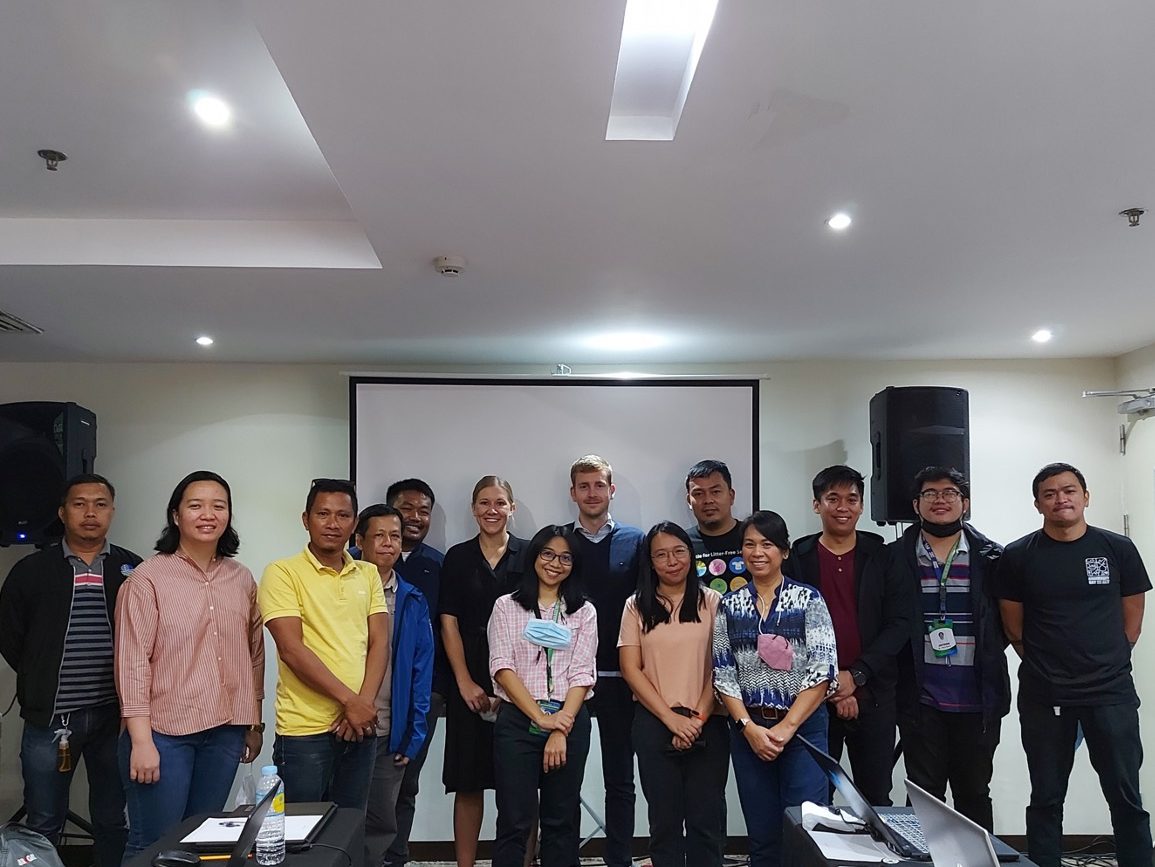
To ensure ASEAN Member States (AMS) have the knowledge and skill to map their peatlands, GIZ – SUPA Component 1 organised “GIS Training for Peatland Mapping” in the Philippines on 3-4 November 2022 and in Lao PDR on 7-9 November 2022, where technical experts from Cambodia, Thailand and Viet Nam also participated.

 “The training aims to give the participants a better understanding of the method used for mapping potential peatlands nationwide in Lao PDR and the Philippines. We are using optical satellite imagery, radar data and a digital elevation model to identify peatlands by their typical hydro-ecological characteristics. The participants learned about the benefits and limitations of this remote sensing based approach and how to continue working with provided data,” said Werner Wiedemann, the trainer from Remote Sensing Solution.

The two-days training introduces the participants to the identification of suitable data sources, data collection, use of different thematic layers from different sources and methods how to process remote sensing data for the identification of potential peatlands. Part of training focused on the use of remote sensing software like eCognition for object-based image classification and GIS.

For the training in Lao PDR, a field trial was organised learn about image data acquisition using a drone, and to undertake further evaluation and interpretation process. The aim was to evaluate when and how drone data can complement conventional sampling methods as for example, in the case of inaccessible areas.

GIS Training for Peatland Mapping, 3-4 November 2022 in Quezon City, Philippines

“The training is very engaging and hands-on practice sessions are very effective because we acquired new knowledge in basic Remote Sensing despite limited time. The trainers are very accommodating in answering the participants questions and despite of our limited time they manage to explain key details related to remote sensing analysis such as the different bands. and what are and how each of them can be interpreted to identifying peatlands and other important data,” said Jeffrey Jaymes Mesias, participant from Biodiversity Management Bureau (BMB) of the Republic of Philippines.

SUPA Component 1 Organised Technical Workshop in Aceh

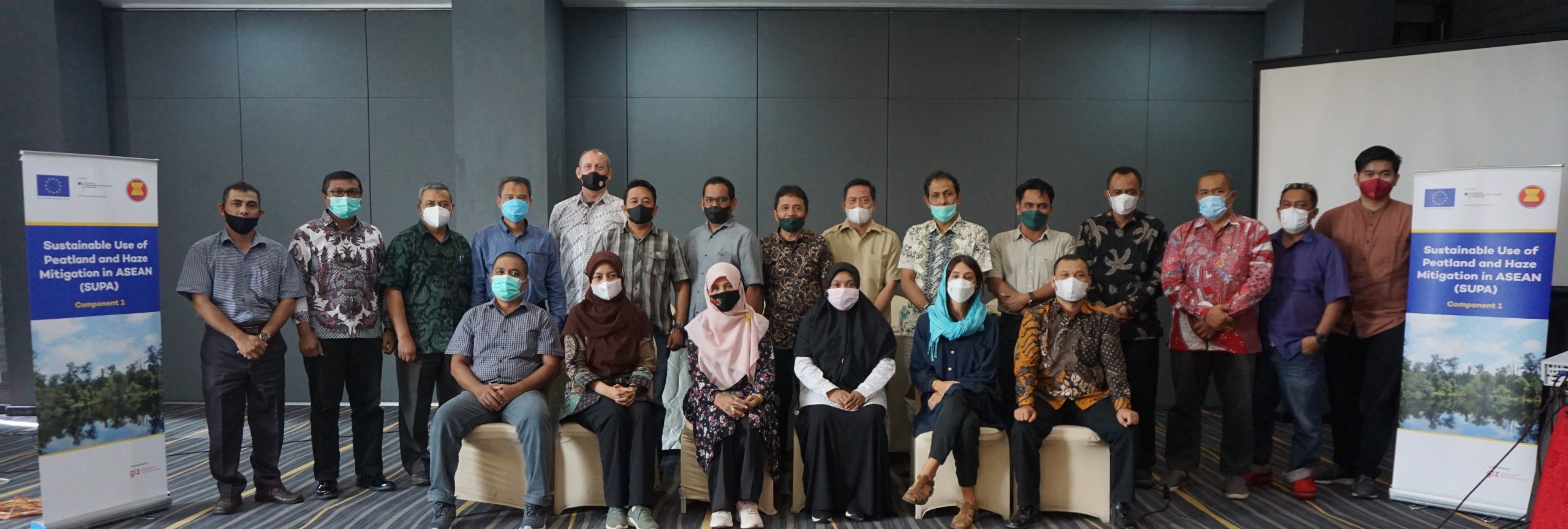
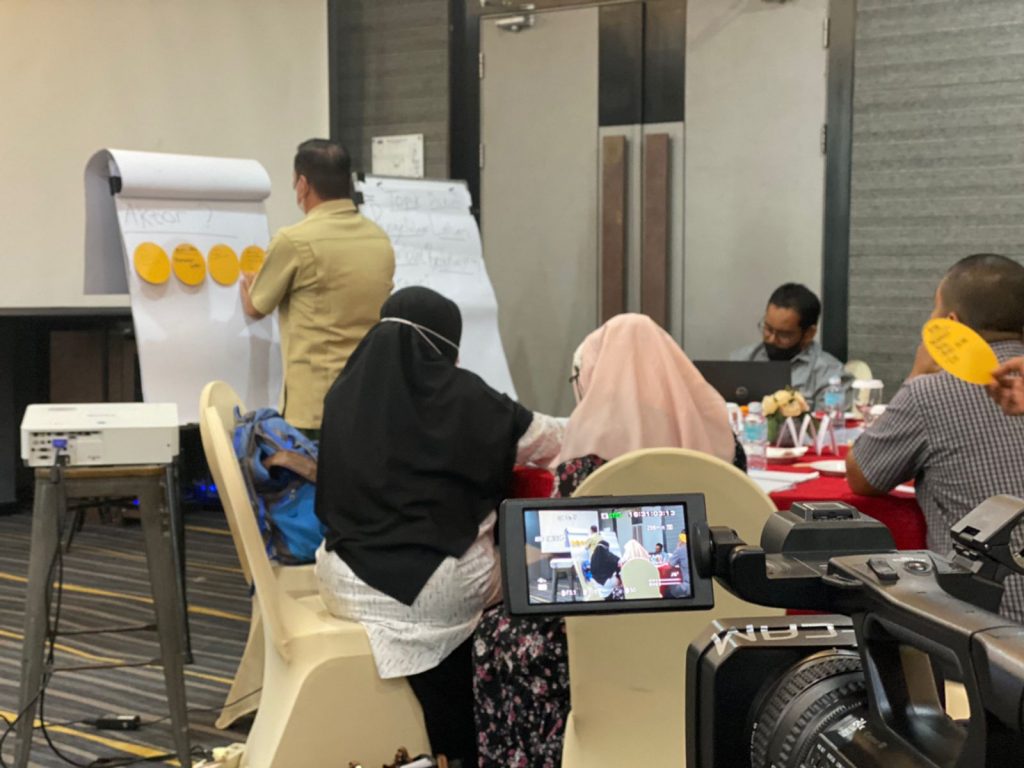
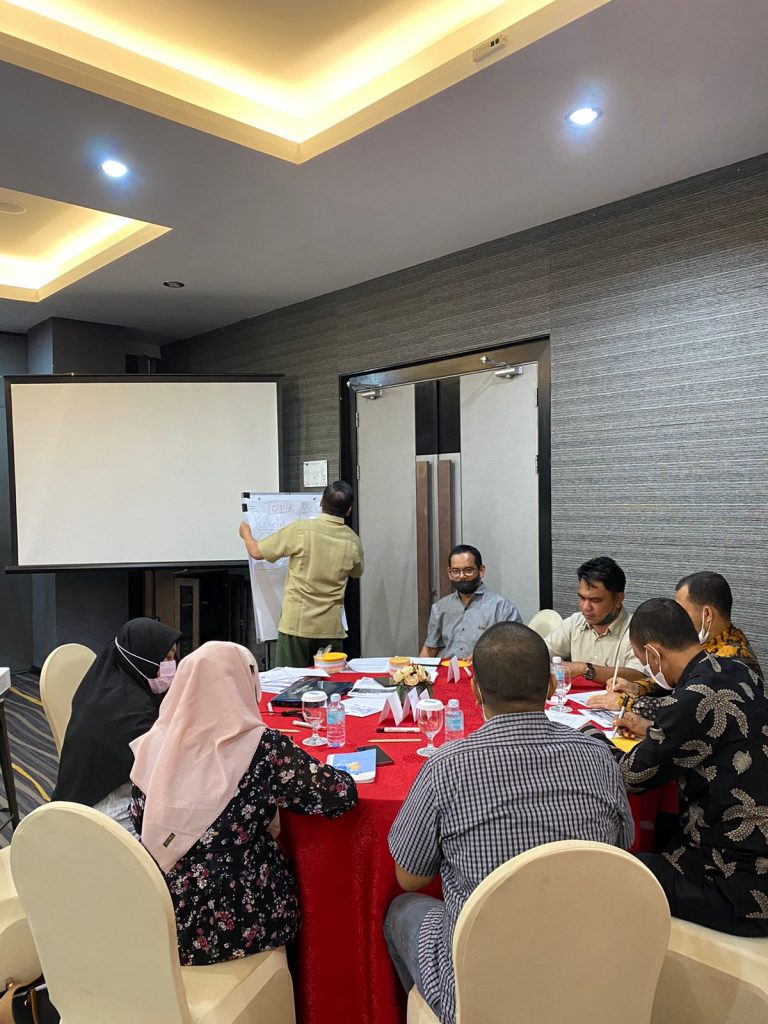
On 26-27 January 2022, Peatland Restoration Directorate of the Ministry of Environment and Forestry (DPKG-KLHK), Environment and Forestry Agency (DLHK) Aceh, and the Deutsche Gesellschaft für Internationale Zusammenarbeit GmbH (GIZ) organised a hybrid meeting in Banda Aceh to present the results of baseline studies to the national, provincial and district partners. The presentations were also followed by Focus Group Discussions guided by peatland experts: Dr. Marinus K Harun, from BPSILHK Banjar Baru; and Dr. Yusya Abubakar, from Syiah Kuala University Aceh.

At the meeting, participants discussed on how to achieve sustainable peatland management while maximising livelihood opportunities for the ten priority peatland communities, taking into account the commodities currently exploited by the peat communities and the existing peatland site conditions. Two important aspects that need attention when planning for pilot site future interventions are fire and flooding events. The event was closed with a brief presentation by Sustainable Use of Peatland and Haze Mitigation in ASEAN (SUPA) Component 1 on the workplan for the next six months, based on the already agreed general workplan. 

SUPA Component 1, particularly under Work Area 3, aims to generate pilot experiences from Indonesia and Malaysia. The pilot projects aspire to demonstrate how a peatland, within the landscape or peatland hydrological unit, can be restored and/or rehabilitated through sustainable peatland management options. The best practices drawn from the pilot sites will be able to be adopted by others—not limited to Indonesia and Malaysia but to the entire ASEAN region.

As part of the implementation of Work Area 3, SUPA Component 1 will support technical guidance, monitor project’s progress, and technical recommendation on the activities. Last year, SUPA Component 1 carried out a series of baseline studies on the pilot site area in order to best plan for the interventions at the PHU site. The baseline studies included: land cover, land use change and burn scar mapping, socio-economic vulnerability assessment and an assessment of fire situation in the pilot site. 

On the way forward, SUPA Component 1 will hold a Pilot Site Steering Committee Meeting to discuss the workshop results and approval for the pilot site workplan. SUPA Component 1 will also organise workshops with the villages and do a comparative study to another place with experience on sustainable peatland management.