ASEAN, EU launch 40th anniversary of partnership; commit to new programmes on environment

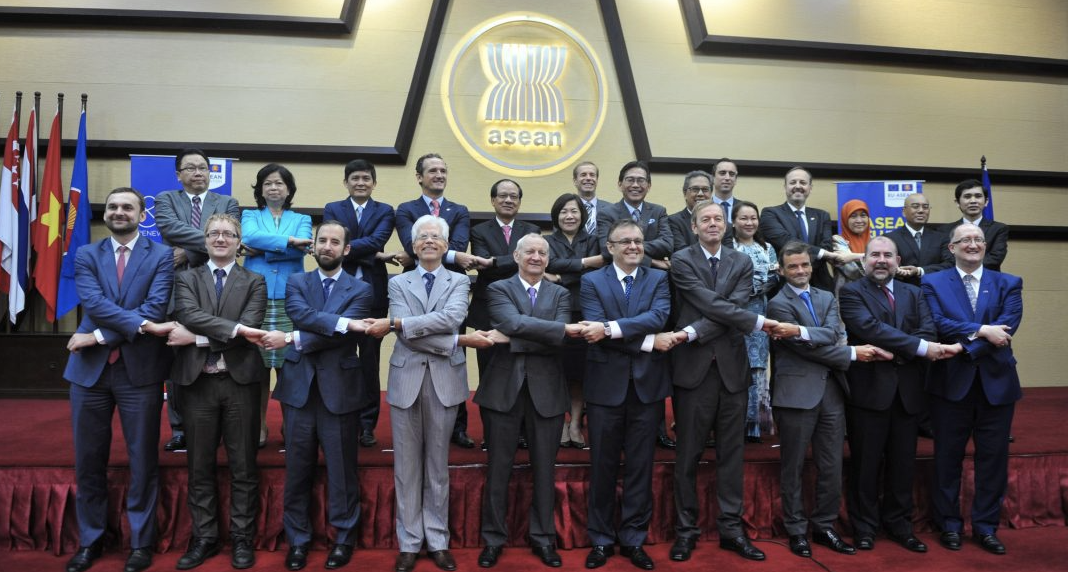
JAKARTA, 2 March 2017 – In the framework of the annual review of European Union and ASEAN cooperation, known as the Joint Cooperation Committee (JCC), the EU and ASEAN marked the beginning of a year dedicated to the 40th anniversary of their dialogue relations with the start of new cooperation programmes and a youth photo exhibition. The event highlighted the recent signature of two new EU-ASEAN programmes on sustainable use of peatlands and haze mitigation, as well as biodiversity conservation in ASEAN. At the same occasion, an award was handed over to the Indonesian winner of an EU-ASEAN Youth Photo Competition.

Secretary-General of ASEAN Le Luong Minh and EU Ambassador to ASEAN Francisco Fontan Pardo welcomed the celebrations today in the ASEAN Secretariat.

“The two new programmes on sustainable use of peatlands and biodiversity conservation further signify and strengthen the long-standing relationship between ASEAN and EU. They reflect the shared goals and commitment of ASEAN and EU in environmental protection and sustainable development,” said Secretary-General Minh.

Ambassador Fontan said: “It is a pleasure for me to launch the 40th anniversary of the EU-ASEAN partnership, which has promoted strong political, economic and social cooperation. Throughout this year, numerous events and activities will mark our anniversary. Today, I am glad to highlight some important aspects of our joint successful work: we are starting two new ambitious programmes aimed at protecting the environment and supporting the fight against climate change in ASEAN.”

With a budget of EUR 20 million, the Sustainable Use of Peatland and Haze Mitigation in ASEAN (SUPA | 2016-2019) programme aims to promote the sustainable management of peatlands in the ASEAN region and fight against transboundary haze pollution through collective actions, and sustain local livelihoods, and reduce the risk of fire and associated haze, which all contribute to global environmental management. It also contributes to the mitigation of carbon emissions from carbon-rich peatland areas, in addition to conservation of the unique peatland ecosystems biodiversity, which hosts highly endangered flora and fauna.

The second programme, Biodiversity Conservation and Management of Protected Areas in ASEAN (BCAMP | 2016-2021), with EUR 10 million EU budget contribution, aims to enhance the conservation of biodiversity and effective management of protected areas in the ASEAN region. It will target the network of existing and potential ASEAN Heritage Parks to reduce biodiversity loss. The programme will be implemented in close coordination with the EU Delegation in Manila and the ASEAN Centre for Biodiversity (ACB) in Los Banos, the Philippines.

Highlighting the strong people-to-people aspect of EU-ASEAN relations, the EU Mission to ASEAN held an ASEAN-wide youth photo competition #PeopleofASEAN during early 2017 with one winner from each ASEAN Member State. Irianto Frederico Da Lopez from Indonesia received his award during the event.

The photo competition focused on citizens, with the broad theme “Connecting People”. This concept aligns with the fact that closer people-to-people contacts are a core component of the deepening EU-ASEAN partnership, and in line with the ASEAN Socio-Cultural Community Blueprint. Upholding “Unity in Diversity” as the common spirit for the people of both the EU and ASEAN, participants were asked to capture that spirit through their lens and to narrate it with a short caption. More than 700 photos were submitted and ten winners were selected according to their originality, creativity and their strong message. The judging process was conducted by EU Delegations in the region, including the EU Ambassador to ASEAN.

“The photo of Irianto Frederico Da Lopez, the winner of the competition in Indonesia, carries a strong message. Farmers face unique challenges, they have a key role in terms of food security – family farms are in fact feeding ASEAN. The European Union, through its specific programmes, supports farmers’ organisations and their work,” added the EU Ambassador to ASEAN.

A collection of winning and other short-listed photos from the competition will be exhibited at the ASEAN Secretariat lobby until 15 March.
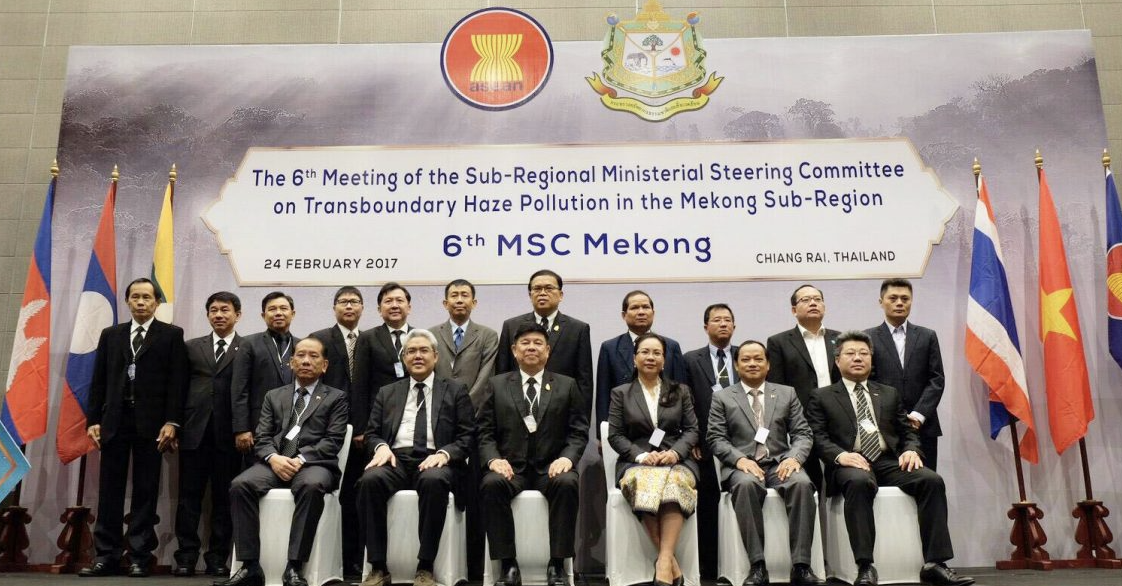
ASEAN sets priorities to address transboundary haze pollution in Mekong sub-region

CHIANG RAI, 24 February 2017 – ASEAN Ministers and representatives responsible for land, forest fires and haze from Cambodia, Lao PDR, Myanmar, Thailand and Viet Nam gathered in northern Thailand today to discuss transboundary haze pollution. At the sixth meeting of the Sub-Regional Ministerial Steering Committee on Transboundary Haze Pollution in the Mekong Sub-Region (6th MSC Mekong), the said officials brought forth the Chiang Rai 2017 Plan of Action which set priorities for the work of the MSC Mekong countries in addressing transboundary haze pollution.

“Following the adoption of the Roadmap on ASEAN Cooperation towards Transboundary Haze Pollution Control with Means of Implementation at the 12th Meeting of the Conference of the Parties (COP-12) to the ASEAN Agreement on Transboundary Haze Pollution in August 2016 in Kuala Lumpur, it is now time for the implementation to take place, and I am very delighted to learn of the progress made within the Mekong sub-region,” said Vongthep Arthakaivalvatee, Deputy Secretary-General for ASEAN Socio-Cultural Community Department in his remark.

The MSC Mekong countries have all agreed to set priorities for the sub-region and pledged to work closely with each other and all interested international partners to address transboundary haze pollution.

Click here for the full Media Release of the meeting.

ASEAN Secretariat and IFAD Ink Deal to Promote Sustainable Development of Peatlands and Address Transboundary Smoke Haze Pollution

A Project Grant Agreement to implement the “Rehabilitation and Sustainable Use of Peatland Forests in Southeast Asia” project was recently signed by the ASEAN Secretariat and the International Fund for Agricultural Development (IFAD). The Agreement was signed by Dr Surin Pitsuwan, Secretary-General of ASEAN and Mr Lennart Båge, President of IFAD.

The four-year project received a grant of US$4.3 million from the Global Environment Facility (GEF) and will mobilise an additional US$10.2 million in co-financing during the implementation phase. IFAD has been designated as the implementing agency for GEF while the ASEAN Secretariat will coordinate the execution of the project in ASEAN Member States.

Dr Surin expressed his appreciation to GEF and IFAD for their support to this project. He noted that “the project will help to address the major transboundary environmental problem – smoke haze pollution – facing the ASEAN region.”

He added, “More importantly, this project will also contribute towards addressing the global climate change crisis. More and more international partners have recognised the value and mutual benefits of working with ASEAN and the ASEAN Secretariat and capitalising on its robust intergovernmental framework for programme design, implementation and monitoring. This GEF/IFAD project is another demonstration of this confidence in ASEAN.”

ASEAN has more than 30 million hectares of peatlands comprising 60% of global tropical peatland resource. Peatlands are primarily water-logged areas containing centuries-old decayed vegetative matter up to several metres deep. While being significantly important for development, livelihood, environment and biodiversity, unsustainable practices and adverse climate conditions have severely degraded the peatlands, making them the primary source of fires and smoke haze that affects the region regularly. Degraded peatlands are also a major source of greenhouse gases contributing to global warming. ASEAN, through the ASEAN Agreement on Transboundary Haze Pollution adopted in 2002, is undertaking a concerted effort to address forest and land fires in fire prone areas such as the peatlands.

This project takes a holistic approach to promote sustainable management of peatlands, sustain local livelihoods, reduce risk of fire and associated smoke haze, and contribute to global environmental efforts particularly biodiversity conservation and climate change mitigation. It consists of both national activities undertaken in participating countries with major peatland areas, namely Indonesia, Malaysia, the Philippines and Viet Nam and regional activities involving all ASEAN States to share best practices, technology and experience. On-the-ground activities will be undertaken at several identified peatland areas together with the local governments, private sector and local community.

ASEAN reaffirms commitment to tackle transboundary haze with financial framework

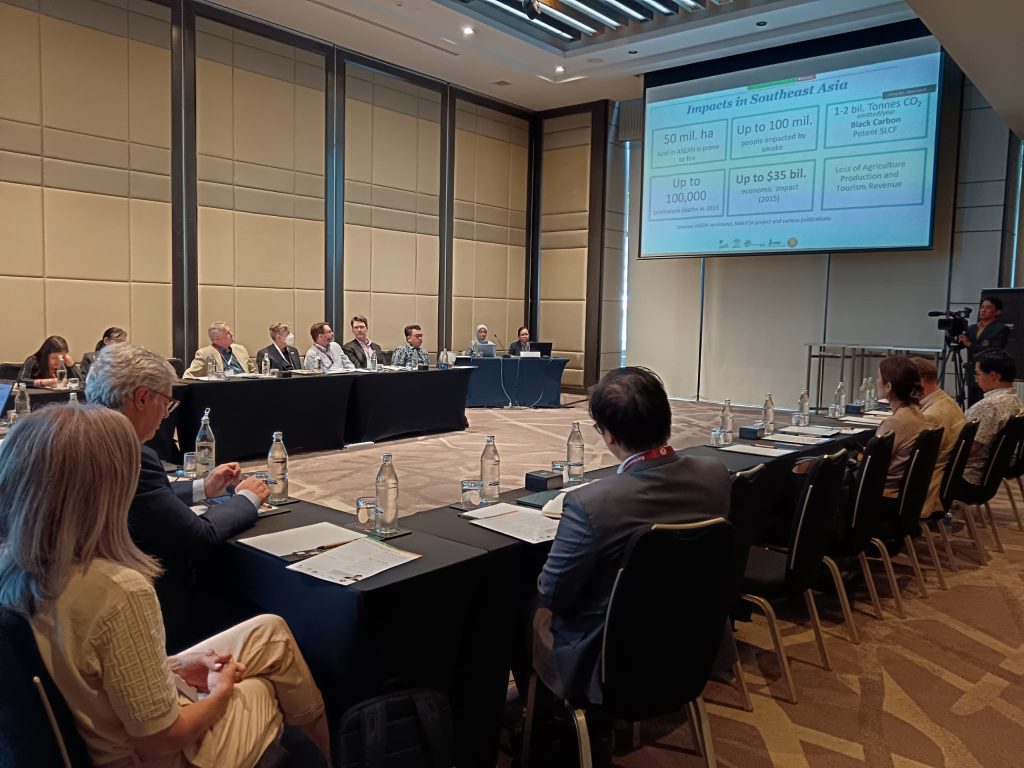
The ASEAN region continues to grapple with the severe impact of transboundary haze, with over 100 million people affected and one to two billion tons of CO2 emitted annually[1], efforts are underway to address these growing concerns.

The ASEAN Investment Framework for Haze-Free Sustainable Land Management (AIF) aims to mobilise an estimated of USD 1.5 billion by 2030 to address the root causes of the transboundary haze across sub-region. Complimenting these efforts, the ASEAN Secretariat with Global Environment Centre (GEC) under IFAD-financed Measurable Action for Haze-Free Sustainable Land Management in Southeast Asia (MAHFSA) Programme has identified a total of USD 1,231,000 million from the 39 ongoing projects and 23 identified pipeline projects aligned with the AIF objectives. This highlights the need for coordinated efforts and resource mobilisation following the endorsement of AIF in August 2023.

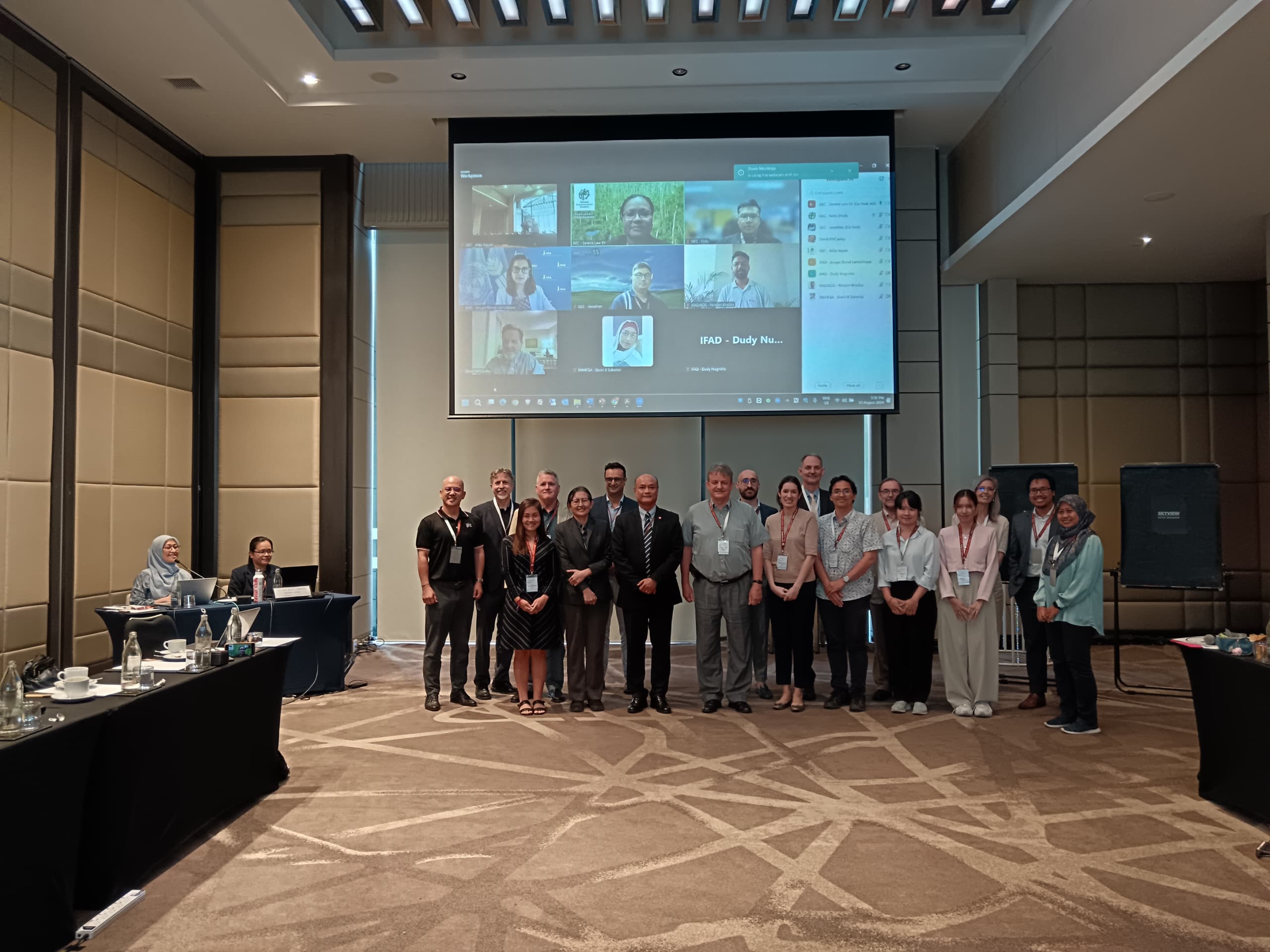
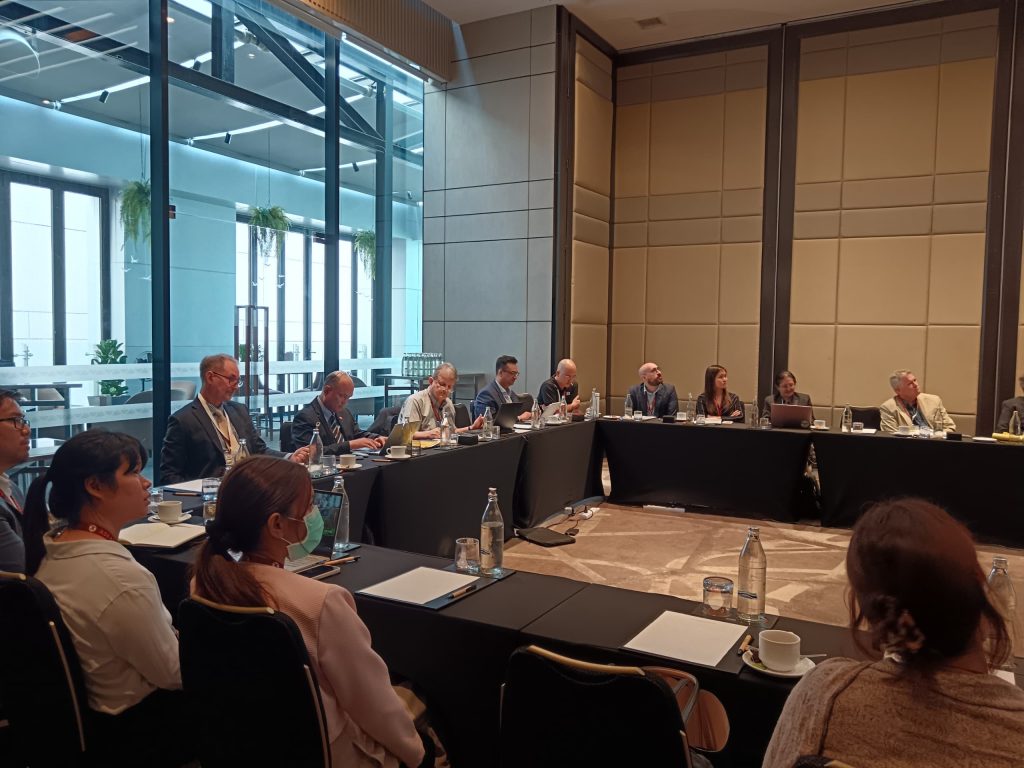
The Partners Dialogue on AIF-HFSLM – Sustainable Investment in Tackling Haze for Better Living took place on 13 August 2024, held in parallel with the 9th ASEAN Task Force on Peatlands (ATFP) in Bangkok, Thailand. This Dialogue served as a platform to engage stakeholders, share inputs and explore potential strategies to support the development of the Implementation Plan for the AIF, as well as to highlight ASEAN commitment to enhance investment in sustainable practices. Marking the first event for the AIF since its endorsement, this Dialogue signifies a crucial step toward realising the shared vision of a haze-free and sustainable ASEAN by 2030.

This Dialogue was inaugurated by Mrs. Sunee Sakseau, Director of Foreign Affairs, Department of National Parks, Wildlife and Plant Conservation (DNP), Thailand, who is also the Incoming Chair of the ASEAN Task Force for Peatland (ATFP). In her opening remarks, she highlighted the importance of strong technical and financial support for the ASEAN Member State (AMS) in implementing the haze-free sustainable land management initiatives.

Meanwhile, ASEAN reaffirmed their commitment to supporting the partners of AIF to ensure the smooth coordination from ASEAN perspective. ASEAN Secretariat’s Head of Environment, Dr. Vong Sok reiterate the framework’s 5 broad objectives designed to address peatland and haze-related matter, offering various opportunities for partners to participate according to their interests and priorities. He also expressed his appreciation for the active participation of partners in joining the initiative. AIF aligns with other ASEAN frameworks such as the Second ASEAN Peatland Management Strategy (APMS 2023-2030), the Second ASEAN Cooperation on Transboundary Haze Pollution Control with Means of Implementation (ASEAN Haze-Free Roadmap 2023-2030) and the ASEAN Sustainable Finance Taxonomy. It emphasises sustainable financing, community empowerment and integrated land management.

During the event, Mr. Faizal Parish, Director of GEC and Lead Implementing Partner of AIF, announced that MAHFSA is in the process of drafting the concept for the AIF Implementation Plan and establishing an Ad-hoc Task Force for further engagement with AMS. “The key action is to identify key stakeholders, continuously map ongoing and pipeline finance projects, establish a partnership network and secure additional resources. As part of the next steps, the AIF plan to establish an ASEAN Haze-Free Alliance to bring the non-state actors together and enhance coordination and knowledge exchange,” he said.

The Dialogue’s discussion session was preceded by six presentations from Global Green Growth Institute (GGGI), IFAD, Asian Development Bank (ADB), Sustainable Rice Platform (SRP), USAID Partnerships for Green Investment (PAGI), and The Deutsche Gesellschaft für Internationale Zusammenarbeit GmbH (GIZ-Thailand) presented their ongoing and pipeline projects, highlighting their potential alignment with the AIF.

A total of 35 representatives from 17 international stakeholders and funding partners participated in the Partners Dialogue on AIF – Sustainable Investment in Tackling Haze for Better Living. Some of the key suggestions and recommendations raised by the participants focused on the importance of linking sustainable land management initiatives to prevent duplication and enhance synergy among projects. Participants urged the mobilisation of donor forums and national investment agencies to better coordinate efforts and maximize the impact of available resources. Other points highlighted are challenges in peatland carbon projects and critical role of the ASEAN Secretariat in guiding the AIF initiatives. Another key suggestion included establishing a directory of partners and a registry of projects to ensure transparency and collaboration, as well as strategic use of existing ASEAN mechanisms.

Participants also highlighted the need for additional funding, proposing innovative approach such as utilising the ASEAN Regional Clean Air Fund and establishing a sustainable rice financing facility. Participants also suggested linking the AIF to Partnerships for Green Investment (PAGI), a new USAID-funded project aimed at supporting sustainable land use practices in Southeast Asia, focusing on emissions reductions, climate resilience, biodiversity protection, inclusiveness, and benefit sharing. The participants stressed the importance of engaging a broader range of stakeholders, including urban dwellers in funding mechanisms, which is crucial for the success of these initiatives.

The Dialogue marks a significant milestone in the collaborative efforts to tackle the transboundary haze issue in ASEAN. As the region moves toward a haze-free future by 2030, the commitments made by stakeholders and the active participation of diverse partners demonstrate the importance of unified action. With continued engagement, resource mobilization, and strategic alignment of projects through frameworks like AIF, ASEAN is ready to strengthen its sustainable land management practices and ensure a healthier, haze-free environment for its people. The road ahead requires collective action, innovative solutions, and long-term funding to address the root causes of haze, however this Dialogue has set a promising foundation for transformative impact.


[1] ASEAN Socio Cultural Community (retrieved on 10 September 2024). Haze, retrieved from https://asean.org/our-communities/asean-socio-cultural-community/haze-2/

ASEAN and Global Green Growth Institute explore collaboration

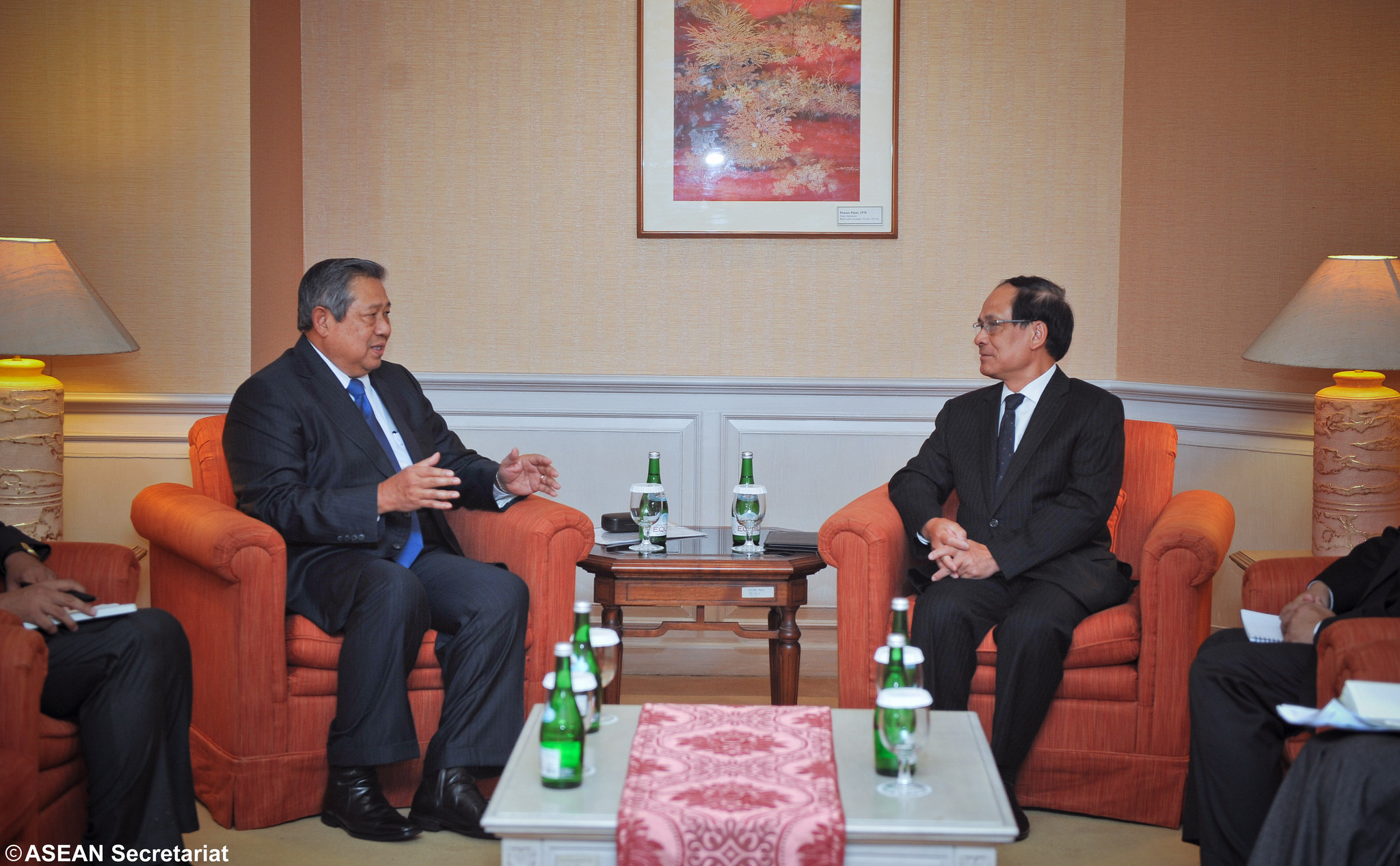
JAKARTA, 12 April 2016 – Secretary-General of ASEAN, H.E. Le Luong Minh, welcomed the President of Global Green Growth Institute (GGGI) and former President of the Republic of Indonesia, H.E. Dr. Susilo Bambang Yudhoyono, yesterday at the ASEAN Secretariat to discuss potential collaboration on green growth.  Currently, five ASEAN Member States are members of GGGI: Cambodia, Indonesia, the Philippines, Thailand and Viet Nam.

 Dr. Yudhoyono highlighted the need to work collaboratively to ensure that green growth concept be adopted by all countries, especially by the emerging and developing economies. He updated on the progress of GGGI’s work and projects with governments, including a number of ASEAN Member States and international organisations. He reiterated the need to support countries in fulfilling their targets to curb the greenhouse gas emission, as pledged in their respective Intended Nationally Determined Contributions to the United Nations Framework Convention on Climate Change.  He proposed four core areas which could serve as cooperation with ASEAN, i.e. energy, green city development, land use and water conservation.

With Southeast Asia being one of the most vulnerable regions to climate change impacts, Secretary-General Minh emphasized that addressing climate change and promoting low carbon development is one of the priorities of ASEAN. He also shared on ASEAN’s efforts in addressing climate change, such as through promoting sustainable peatland management to reduce greenhouse gas emission from peatland fires, and implementing the ASEAN Agreement on Transboundary Haze Pollution. Secretary-General Minh also highlighted that ASEAN, while being rich in biodiversity but remained vulnerable to habitat and biodiversity loss due to climate change, places high importance on biodiversity conservation, as reflected in the establishment of a dedicated centre for biodiversity based in Los Banos, Philippines. He recognized that there are synergies and mutually-enforcing action-plans between ASEAN Vision 2025 and the United Nations Sustainable Development Goals.

Both sides agreed that there is a convergence of interests and opportunities for collaboration, and hoped to enhance broader and deeper cooperation. Dr. Yudhoyono also encouraged ASEAN to continue to be in the driving seat in addressing global issues, and that the collaboration between ASEAN and the GGGI can be a showcasefor other potential partners to follow suit.

Enhancing Climate Action through Peatlands

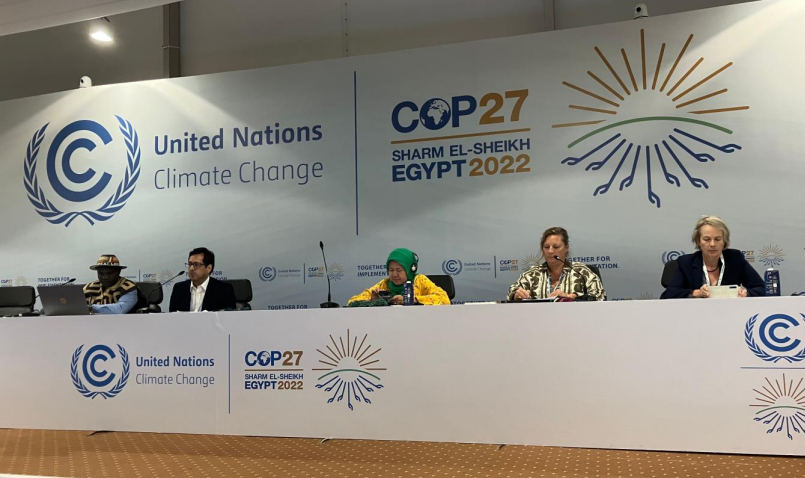
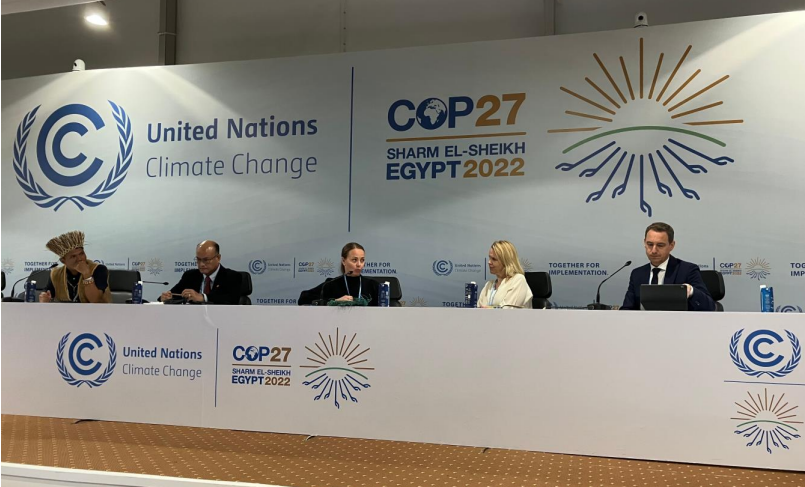
In week 2 of COP27, GEC and Wetlands International in collaboration with FAO, Greifswald Mire Centre, IFAD, Ramsar Convention on Wetlands Secretariat and UNEP – Global Peatland Initiative organised an Official Side Event on “Enhancing Climate Action through Peatlands” which speakers discussed the criticality of safeguarding our precious peatland ecosystems.

In concluding the forum, Mr Parish, Director of GEC, reiterated the need to rewet and restore degraded peatlands, enhance the protection of existing peat ecosystems, consider peatlands in the climate adaptation strategies and integrate the positive benefits of peatlands on the economy.

This forum was attended by over 50 delegates, including speakers and organisers, with 90 over viewers following the session live via COP27 Official Youtube Channel. By the end of UNFCCC COP27, the Youtube video recording received more than 1,500 views.

Speakers include: Dr Vong Sok, ASEAN Secretariat; Ms Sri Parwati Murwani Budisusanti, Indonesia; Mr Manuel García Rosell, Peru; Mr Shaq Koyok, Indigenous Peoples’ representative, Malaysia; Ms Jane Madgwick, Wetlands International; Mr Faizal Parish, GEC; Ms Amy Duchelle, FAO; IFAD/ASEAN Secretariat; among others.