Enhancing Climate Action through Peatlands

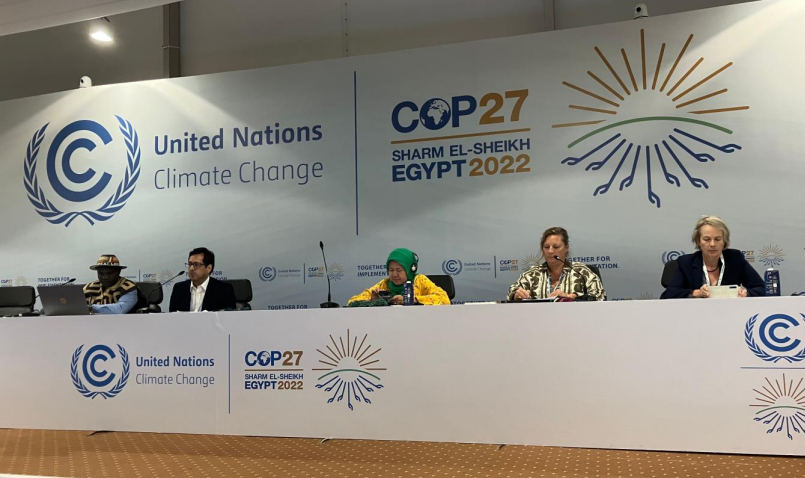
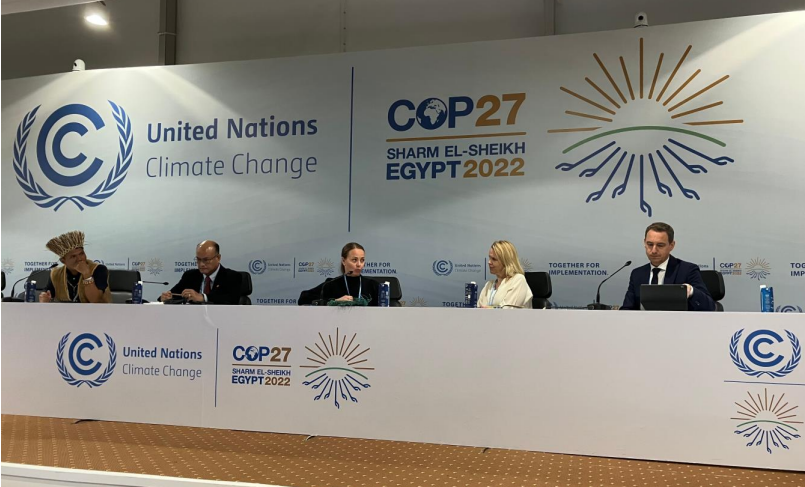
In week 2 of COP27, GEC and Wetlands International in collaboration with FAO, Greifswald Mire Centre, IFAD, Ramsar Convention on Wetlands Secretariat and UNEP – Global Peatland Initiative organised an Official Side Event on “Enhancing Climate Action through Peatlands” which speakers discussed the criticality of safeguarding our precious peatland ecosystems.

In concluding the forum, Mr Parish, Director of GEC, reiterated the need to rewet and restore degraded peatlands, enhance the protection of existing peat ecosystems, consider peatlands in the climate adaptation strategies and integrate the positive benefits of peatlands on the economy.

This forum was attended by over 50 delegates, including speakers and organisers, with 90 over viewers following the session live via COP27 Official Youtube Channel. By the end of UNFCCC COP27, the Youtube video recording received more than 1,500 views.

Speakers include: Dr Vong Sok, ASEAN Secretariat; Ms Sri Parwati Murwani Budisusanti, Indonesia; Mr Manuel García Rosell, Peru; Mr Shaq Koyok, Indigenous Peoples’ representative, Malaysia; Ms Jane Madgwick, Wetlands International; Mr Faizal Parish, GEC; Ms Amy Duchelle, FAO; IFAD/ASEAN Secretariat; among others.

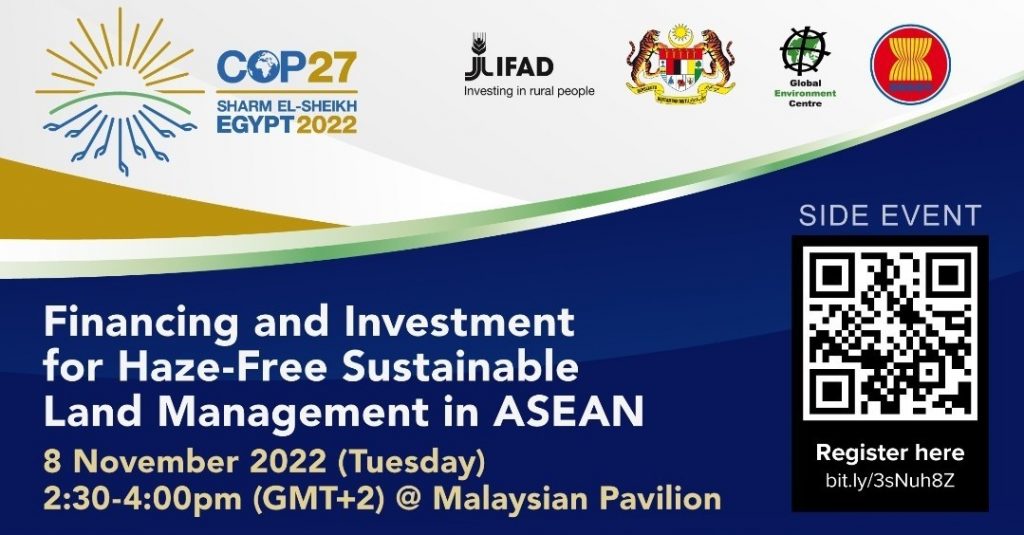
Financing and Investment for Haze-Free Sustainable Land Management in ASEAN

This first side event was co-organised by the Government of Malaysia together with GEC, in partnership with the ASEAN Secretariat and IFAD.

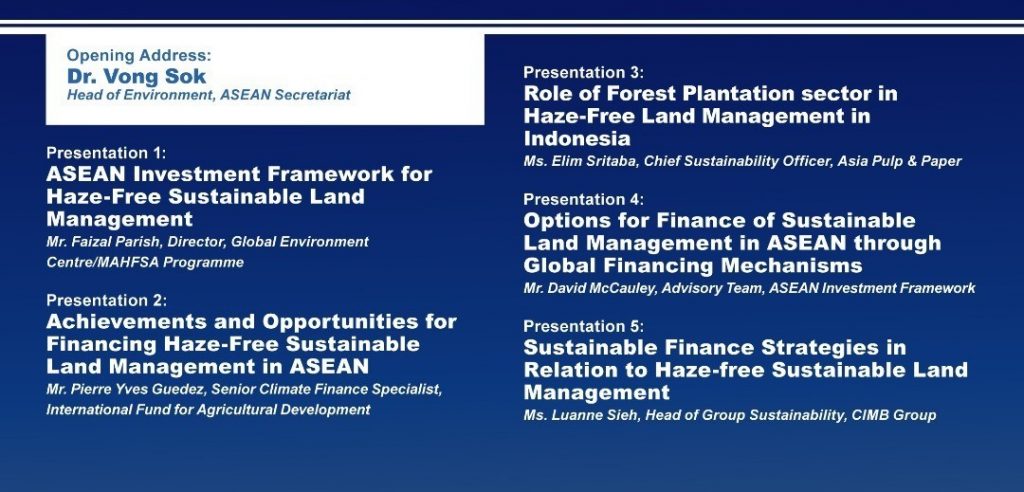
It featured key speakers discussing the strategies to halt massive peatland, forest and land fires that causing transboundary haze in Southeast Asia by securing multi-stakeholder partnerships and US$1.5 billion to finance sustainable low-emission land management in ASEAN.

The forum concluded with a closing remarks highlighting that investment framework for haze-free sustainable land management is one of the key mechanisms to prevent transboundary haze and forming alliance between organisations is crucial to ensure haze-free ASEAN.

The forum was attended by in person delegates and followed by online participants via Facebook Live of the Ministry of Environment and Water Malaysia. Speakers included: Dr Vong Sok, Head of Environment of ASEAN Secretariat; Mr Faizal Parish, Director of GEC; Mr Pierre Yves Guedez, Senior Climate Specialist of IFAD; Ms. Elim Sritaba, Chief Sustainability Officer of Asia Pulp & Paper; Mr. David McCauley, Advisory Team of ASEAN Investment Framework; and Ms Luanne Sieh, Head of Group Sustainability of CIMB Group.

Policy dialogue explores implications for ASEAN environmental efforts

3 March 2022 – The Association of Southeast Asian Nations (ASEAN) Secretariat, in partnership with the Measurable Action for Haze-Free Sustainable Land Management in Southeast Asia (MAHFSA) Programme, hosted a virtual policy dialogue on 25 February.

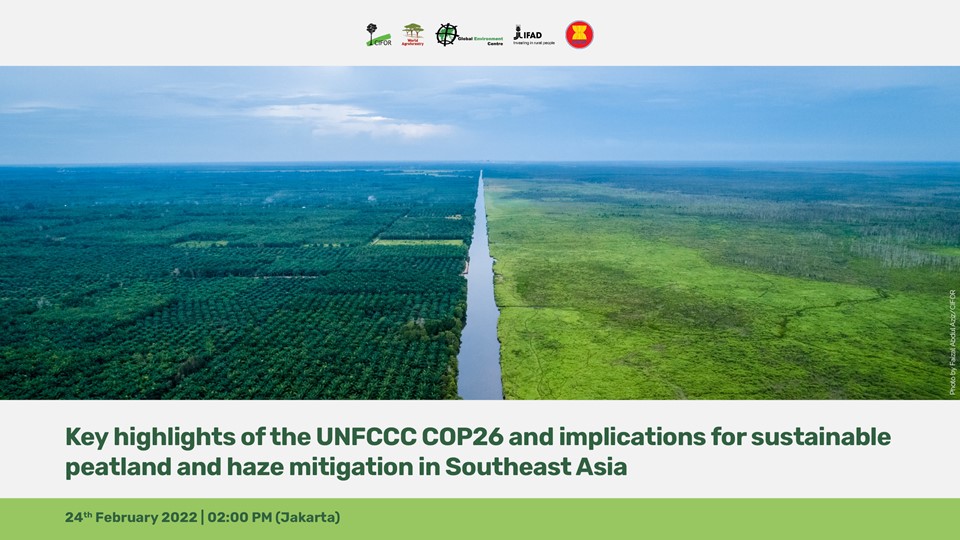
The dialogue, titled Key Highlights of the UNFCCC COP26 and Implications for Sustainable Peatland and Haze Mitigation in Southeast Asia, was followed by the launch of The new ASEAN Haze Portal.

Scientists, policymakers, and other stakeholders explored the potential implications of the key commitments made at the 26th Conference of Parties (COP26) to the United Nations Framework Convention on Climate Change (UNFCCC) in Glasgow in 2021 for peatland management and haze mitigation in the region.

Peatlands in the ASEAN region make up around 40% of global tropical peatlands and are among the most biologically diverse ecosystems on earth, storing up to 15% of all carbon on only 0.17% of global land area. Fires in peatlands are responsible for large amounts of GHG emissions, as well as around 90% of haze in the region.

Climate change has become one of the most important issues that ASEAN faces, and the biggest challenge to the sustainable development of our region in the 21st century,” said Vong Sok, Head of Environment Division of ASEC’s Sustainable Development Directorate.

However, according to Tri Saputro, Environment Officer of ASEC, the subject still lacks the attention it deserves. “Even though the linkages between climate change, haze, and peatlands are clear, research and development on this nexus is still a gap in the ASEAN region,” he said.

He further highlighted the key findings from the recently launched ASEAN State of Climate Change Report, indicating that ASEAN must synergise adaptation and mitigation priorities, including air pollution prevention, haze and peatland management to expand opportunities for co-benefit climate actions.

Presenters identified the important synergies between existing regional policies – such as the ASEAN Agreement on Transboundary Haze Pollution, ASEAN Peatland Management Strategy, and the Roadmap on ASEAN Cooperation Towards Transboundary Haze Pollution Control with Means of Implementation – and key decisions made at COP-26 to enhance countries’ ambitions for emission reduction by 2030, boost funding for mitigation and adaptation, and reach the goal of carbon ‘net-zero’ by 2050.

“This is an important window of opportunity to harmonize our efforts,” said Vong Sok, the Head of Environment Division and Assistant Director of ASEC’s Sustainable Development Directorate. From the regional perspective, he further stressed that ASEAN will continue supporting its Member States to identify and address both current and emerging capacity building gaps and needs, and catalyse climate action and solutions for peatland and haze.

Director of Peatland Degradation Control for Indonesia’s Ministry of Environment and Forestry, Sri Parwati Murwani Budisusanti, and Zaeidi Haji Berudin, Senior Policy Officer of the Forestry Department of Brunei Darussalam’s Ministry of Primary Resources and Tourism, shared their experiences of working to meet their nationally determined contributions (NDCs) to the Paris Agreement on Climate Change.

On his part, CIFOR-ICRAF principal scientist Michael Allen Brady noted that while five of the ASEAN Member States (AMS) had NDCs that aligned with the COP-26 decisions on these issues, “other AMS that we could not map directly through their NDCs have the opportunity to include peatland management and haze mitigation in the 2022 NDC update.”

The new ASEAN Haze Portal was launched after the policy dialogue. According to Dilva Terzano, Environment and Natural Resource Management Specialist at the International Fund for Agricultural Development, the portal “will serve as a knowledge and information dissemination platform, as well as a stakeholder engagement platform, on sustainable peatland and haze management for the Southeast Asia region and beyond.”

“The signing of the ASEAN agreements on transboundary haze pollution has played a crucial role as the main driver of ASEAN to tackle the haze challenges in the region jointly,” concluded the Deputy Secretary General of ASEAN for the ASEAN Socio Cultural Community, Ekkaphab Phanthavong. “This platform will take it further into the digital era by providing space for the various stakeholders to interact, connect, impart wisdom, and find solutions for peatlands, forests, and haze management,” he further added.

*****
IFAD, together with ASEAN invest in reducing transboundary haze pollution in Southeast Asia

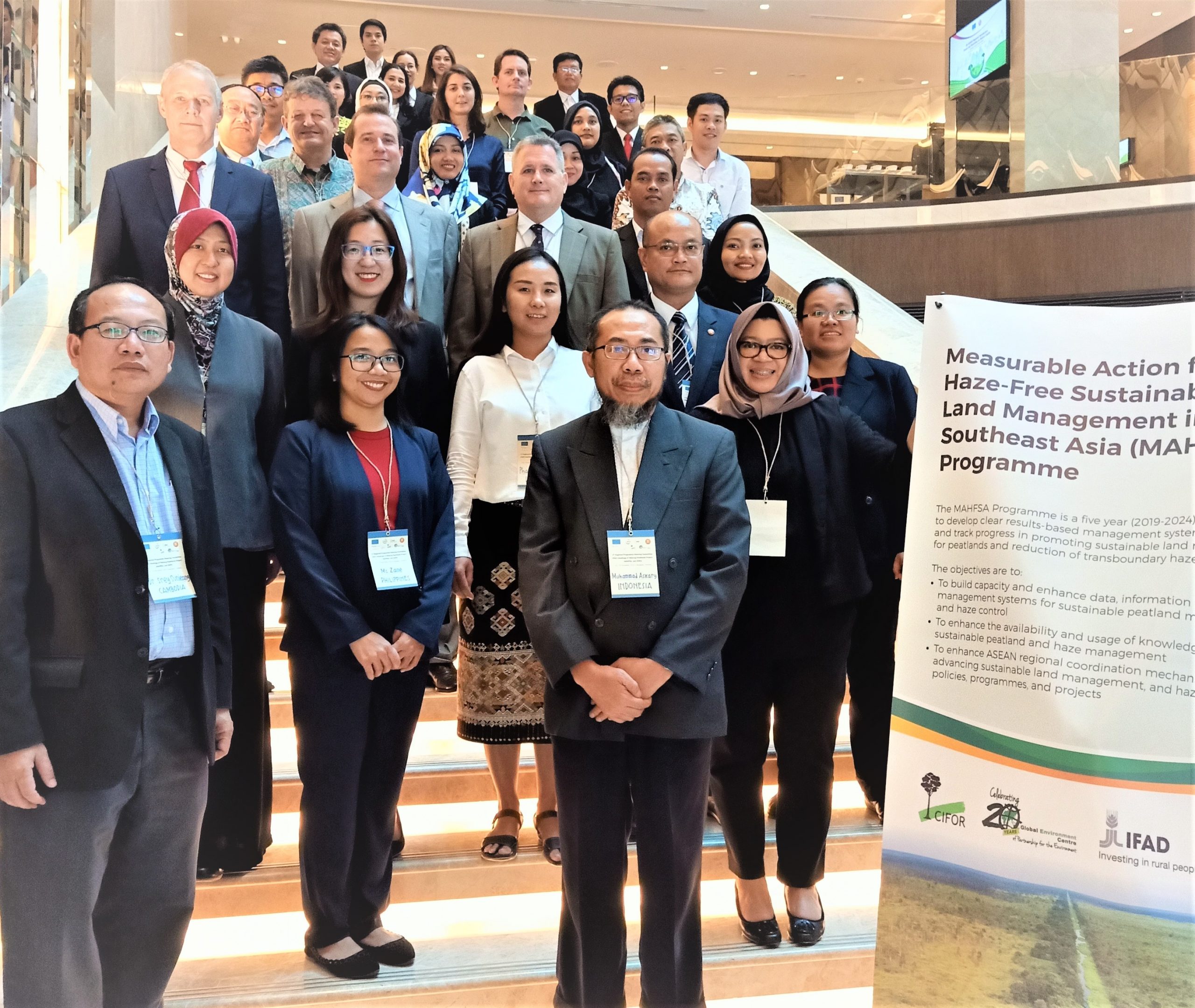
Bangkok, 27 November 2019 – The International Fund for Agricultural Development (IFAD) and ASEAN Secretariat have launched the Measurable Action for Haze-Free Sustainable Land Management in Southeast Asia (MAHFSA) Programme today to reduce transboundary haze pollution and its impacts in Southeast Asia.

It is estimated that haze pollution affects the health of 50 million people in the region. IFAD is granting US$ 3.5 million to ASEAN towards financing the programme. The ASEAN Secretariat, the Center for International Forestry Research, and the Global Environment Centre will jointly implement the regional programme. The programme is a follow-up to the GEF4-IFAD ASEAN Peatland Forests Project 2009-2014, and aims to support ASEAN Member States to achieve the goals of the ASEAN Peatland Management Strategy, the key targets of the ASEAN Programme on Sustainable Management of Peatland Ecosystems, and support the implementation of the ASEAN Haze-Free Roadmap.

In close collaboration with ASEAN Member States, the programme aims to assist and facilitate the collection and analysis of land management and haze-related information to predict, monitor and prevent fires and haze. It will also strengthen the ASEAN regional coordination mechanisms for advancing sustainable land management, haze prevention policies, programmes, and projects, through the establishment of a regional multi-stakeholder platform, and mobilise increased flow of financial and human resources for haze-free programmes and projects.

“The Programme is critical to advancing sustainable land management, and haze prevention policies in the region,” said Fabrizio Bresciani, IFAD Regional Economist, Asia and Pacific. “Among other things, it seeks to develop an estimated US$1.5 billion investment programme that prioritizes national and regional actions on haze elimination and sustainable peatland management,” he added.

In his remarks, Dr. Vong Sok, Assistant Director of Environment Division of ASEAN Secretariat, emphasised that cooperation and multi-stakeholder engagement at different levels are vital to address root causes, effects and risks of haze issues, in order to move towards the prosperity of a clean and green ASEAN to promote sustainable development for the benefit of our people.

He also reiterated that with ASEAN’s theme this year: ‘Advancing Partnership for Sustainability’, the Member States have reaffirmed their commitment to address transboundary haze issues through closer cooperation and collaboration.