Launch of the Second ASEAN Haze-Free Roadmap (2023-2030) and Policy Dialogue on Strategies and Actions for Achieving a Haze-Free Southeast Asia

Transboundary haze is a widespread air pollution and smog that affects multiple countries and regions, including Southeast Asia (SEA). The issue of haze has transcended from being a regional concern to a global environmental crisis and is primarily caused by land clearing and peatland fires, causing severe environmental degradation, health hazards, and economic disruptions. The Association of Southeast Asian Nations (ASEAN) Member States (AMS) have taken several measures to tackle transboundary haze and promote regional cooperation to address the problem effectively. The key measures include the signing and ratification of the ASEAN Agreement on Transboundary Haze Pollution (AATHP), adoption of the Roadmap on ASEAN Cooperation towards Transboundary Haze Pollution Control with Means of Implementation (2016-2020) and the ASEAN Peatland Management Strategy 2006-2020 (APMS), which specifically provided a framework of action to address peatland related haze issues.

A review commissioned to evaluate progress and experiences of the First (2016-2020) Roadmap implementation to achieve the vision of haze-free ASEAN has led to the development of a new roadmap.  In August 2023, the Second Roadmap on ASEAN Cooperation towards Transboundary Haze Pollution Control with Means of Implementation (Haze-Free Roadmap) (2023-2030) was adopted during the 18th Meeting of the Committee Under the Conference of the Parties to ASEAN Agreement on Transboundary Haze Pollution (COM-18) and 18th Meeting of the Conference of the Parties to ASEAN Agreement on Transboundary Haze Pollution (COP-18). It consists of nine mutually reinforcing strategies.

The Second Roadmap synthesizes lessons learned, best practices, and innovative approaches, charting a course that amalgamates regional aspirations with actionable steps toward a haze-free future. Drawing on lessons learned from the implementation of the First Roadmap and considering the need to increase stakeholders’ awareness of the Second Roadmap, it is crucial to provide a platform for relevant actors to exchange of views on the Roadmap’s various strategies and actions for addressing transboundary haze issues. Such platforms enable relevant stakeholders to better understand differing perspectives on aspects such as policy and regulatory framework and law enforcement, sustainable land management practices, community engagement, innovative technologies etc. This can serve as the basis for creating effective policies and implementation.

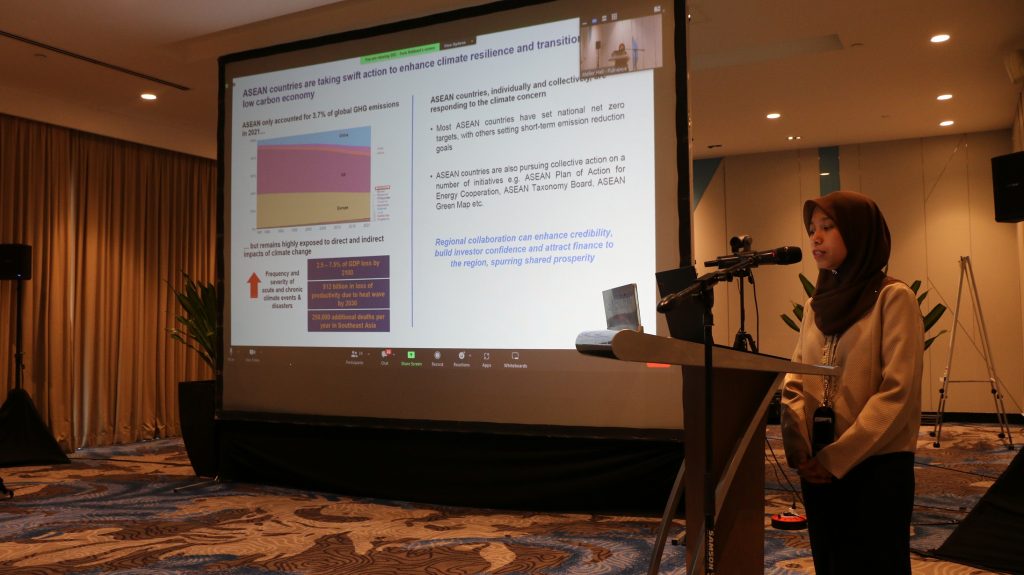
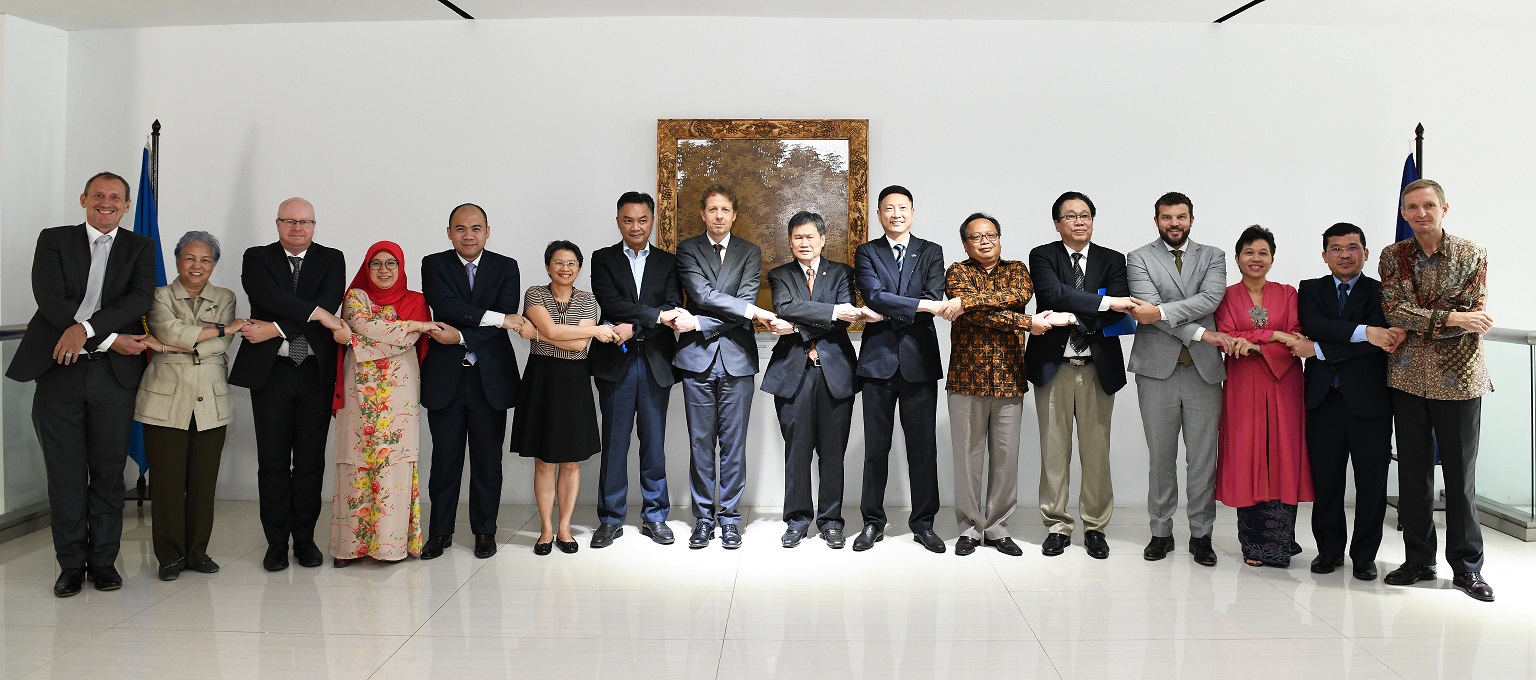
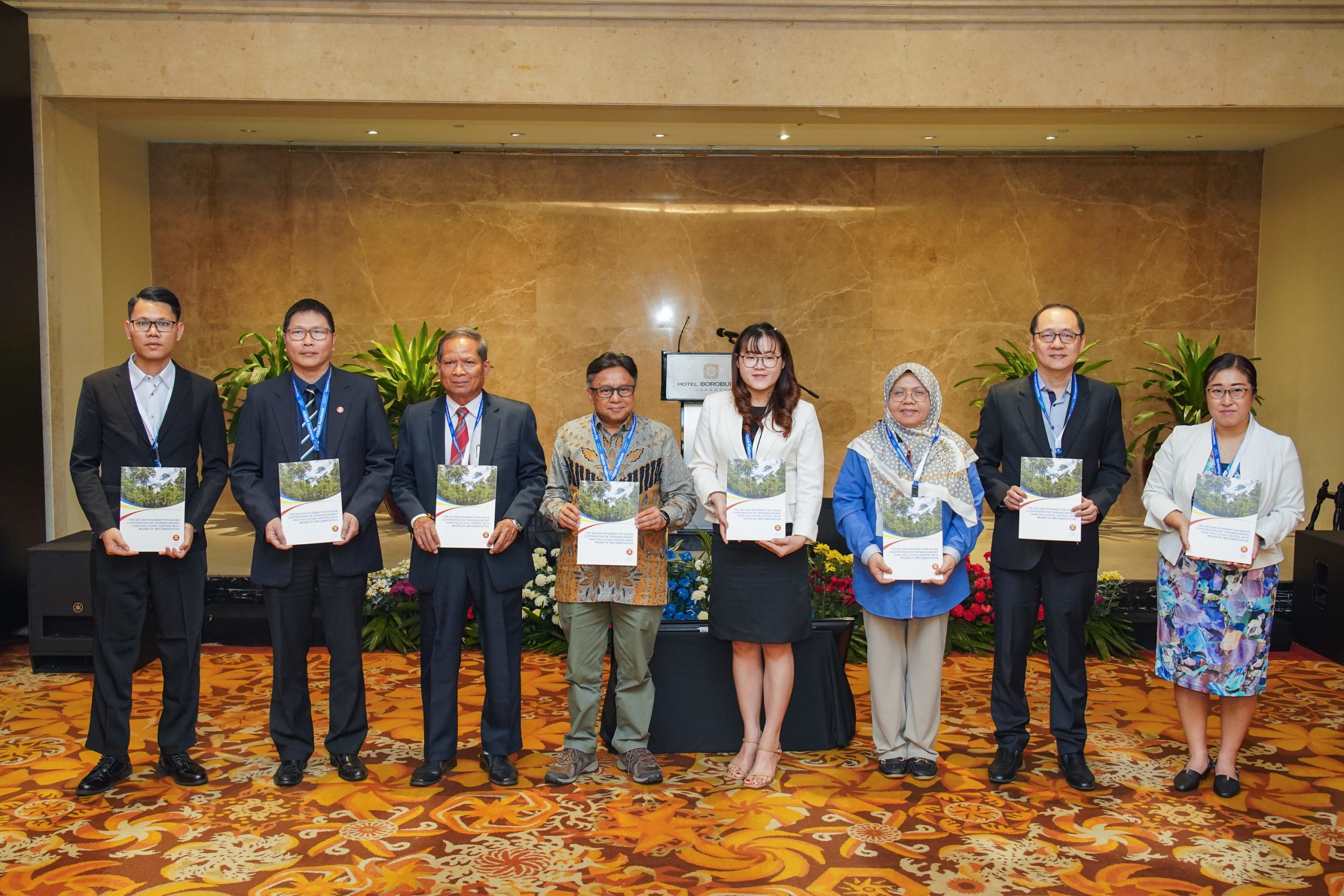
To promote public awareness of the Second Roadmap and encourage participation of stakeholders in the implementation of strategies and actions, the ASEAN Secretariat together with MAHFSA Programme, is hosting a hybrid launch of the Second Roadmap and policy dialogue on 21 February 2024 in Jakarta. This event will consist of a half-day launch ceremony followed by a policy dialogue. The policy dialogue will highlight new elements of the Second ASEAN Haze-Free Roadmap and discuss the inextricably linked strategies and actions. The policy dialogue will explore the roles of both the public and private sectors in combating haze, while emphasizing the critical need for collaborative endeavors between these sectors. By fostering a dialogue that encompasses diverse viewpoints and stakeholder contributions, the event endeavors to pave the way for a more holistic and inclusive approach towards achieving a haze-free Southeast Asia.

Objectives

  1. Highlight key elements of the Second ASEAN Haze-Free Roadmap
  2. Stakeholders discuss perspectives on strategies and actions, and resources of the Second Roadmap, including the role of public and private sector and other institutions to tackle fires and haze in the region
  3. Identify opportunities for collaboration and alignment
  4. The Second Haze-Free Roadmap is launched and showcased
Recorded Videos

Opening and welcoming remarks
Roadmap Launch!
Presentation: What is the ASEAN Haze free Roadmap?
Talk Show: Perspectives on the Second Roadmap and associated strategies
Group discussions: Opportunities for collaboration and alignment of efforts
Closing

Original article: https://www.cifor-icraf.org/event/launch-of-the-second-asean-haze-free-roadmap-2023-2030-and-policy-dialogue-on-strategies-and-actions-for-achieving-a-haze-free-southeast-asia/

Indonesia Presents its REDD+ Forest Governance Progress

During an international forest governance session last month in Republic of the Congo, Indonesia highlighted its work with the UN-REDD Programme in tackling governance challenges through participatory governance assessments for REDD+.  

The joint forest governance session on 23 October in Brazzaville, Republic of the Congo was organized by the Forest Carbon Partnership Facility (FCPF), the European Forestry Institute, Profor and the UN-REDD Programme to raise the profile of governance in REDD+ discussions. Mr. Mas Achmad Santosa, Head of the working Group for Legal Review and Law Enforcement in the Indonesian REDD+ Task Force and Deputy of the President’s Delivery Unit (UKP4) gave a presentation on Indonesia’s REDD+ governance challenges while also providing an update of what has been done to date to mitigate some of these risks.

During his intervention, Mr. Santosa announced that Indonesia’s UKP4 Unit and the Ministry of Forestry are now ready to use the Participatory Governance Assessment (PGA) data that the country has prepared for since May 2011, and collected since August of this year.  

The UN-REDD Programme currently has four PGA pilots, and Indonesia is by far the most advanced.  Through extensive stakeholder contributions and input from stakeholders at the national level as well as eight provincial working groups (in Aceh, Riau, Jambi, South Sumatra, West Kalimantan, Central Kalimantan, East Kalimantan, Central Sulawesi, Papua and West Papua), the PGA process has resulted in stakeholders agreeing on priority governance issues. As such, the PGA is a joint effort to tackle priority governance issues in Indonesia, such as mitigating corruption risks and ensuring Indigenous Peoples’ participation and rights in the REDD+ process.

Mr. Santosa explained to the participants of the joint session that the PGA in Indonesia has now gathered data based on joint decisions on what areas to collect governance data, which indicators to use and which methods to apply for data collection and validation. The data provides: baseline information on the quality of governance and preparedness for REDD+ implementation; a REDD+ governance safeguard road map; and policy recommendations outlining options to strengthen REDD+ governance structures and practices in the provinces. This data has been so well received that the REDD+ Task Force has recently agreed to use the final results of the participatory governance assessment project to inform policy decision making processes on REDD+ governance safeguards.

During an interview with the UN-REDD Programme after the joint session, Mr. Santosa re-emphasized the commitments from the REDD+ Task Force and Ministry of Forestry to include the PGA results in the national REDD+ process in Indonesia, and that the PGA currently is incorporated in the REDD+ Task Force system.  Further, he said a key role for the government will be to accelerate this governance process, stressing anti-corruption measures and the participation of stakeholders and freedom of information law.

The sustainability of the PGA is the next step of the Government of Indonesia in this process, and Mr. Santosa recognized the need to further integrate the PGA into government plans and programs. The ownership of all stakeholders in this process was highlighted, particularly that of civil society, which is playing a very significant role in the PGA process. Mr. Santosa also stated that governance safeguards will be an important area of work of the new REDD+ agency in Indonesia once it’s established, recognizing that the PGA results should also be owned and used by the Ministry of Forestry, as well as other relevant ministries. When asked what he learned from the PGA process in Indonesia, Mr. Santosa said he was grateful for this experienced and was reminded through the session that safeguards are a priority for implementing REDD+. He said he was also struck by the importance the participants placed on benefit sharing arrangements.

After this governance session in Brazzaville, Mr. Santosa returned to Jakarta to participate in a national PGA consultation, where stakeholders from the national level and 30 locations throughout the eight PGA provinces gathered to validate the PGA baseline data before a more formal launch in December of this year. 

Indonesia Deposits Instrument of Ratification of the ASEAN Agreement on Transboundary Haze Pollution

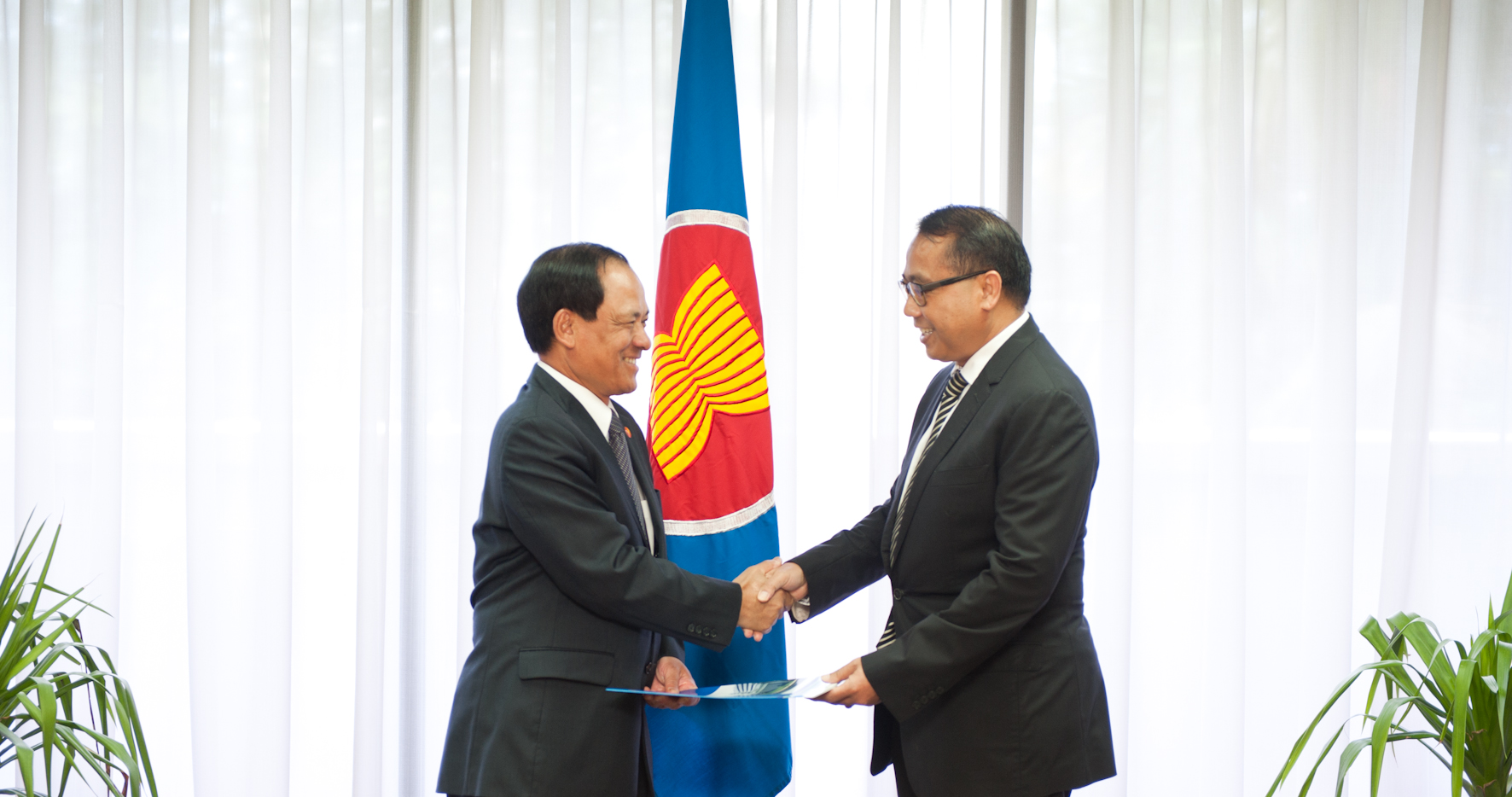
JAKARTA, 20 January 2015 – H.E. I Gusti Agung Wesaka Puja, the Director General for ASEAN Cooperation, Ministry of Foreign Affairs of Indonesia, today deposited Indonesia’s Instrument of Ratification of the ASEAN Agreement on Transboundary Haze Pollution with H.E. Le Luong Minh, Secretary-General of ASEAN.

Ambassador Puja conveyed his Government’s appreciation to the ASEAN Secretariat and the other ASEAN Member States (AMS) for the support and encouragement extended to Indonesia in concluding the ratification process. He informed SG Minh that the ratification of the Agreement was approved by Indonesia’s Parliament through Law No. 26 Year 2014.

SG Minh congratulated Indonesia for the ratification and commended the country for its efforts and commitment to working collectively with other AMS to address the transboundary haze pollution issues under the framework of the ASEAN Agreement on Transboundary Haze Pollution.

The Governments of the ten ASEAN Member Countries signed the ASEAN Agreement on Transboundary Haze Pollution (AATHP) on 10 June 2002 in Kuala Lumpur, Malaysia, and it entered into force on 25 November 2003. The Agreement is the first regional arrangement in the world that binds a group of contiguous states to tackle transboundary haze pollution resulting from land and forest fires. It has also been considered as a global role model for the tackling of transboundary issues. With Indonesia’s ratification, the Agreement has now been ratified by all ASEAN Member States.

IFAD, together with ASEAN invest in reducing transboundary haze pollution in Southeast Asia

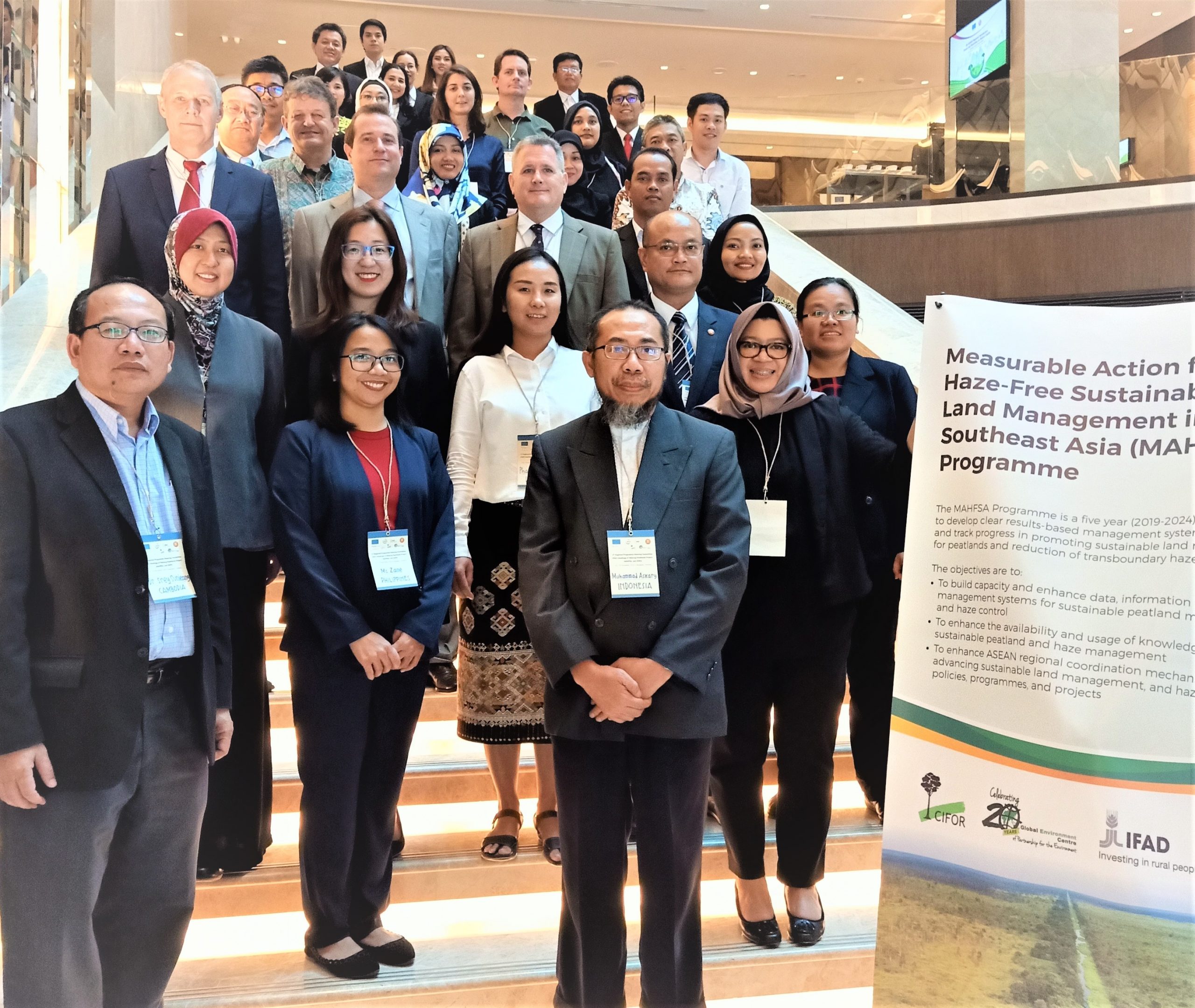
Bangkok, 27 November 2019 – The International Fund for Agricultural Development (IFAD) and ASEAN Secretariat have launched the Measurable Action for Haze-Free Sustainable Land Management in Southeast Asia (MAHFSA) Programme today to reduce transboundary haze pollution and its impacts in Southeast Asia.

It is estimated that haze pollution affects the health of 50 million people in the region. IFAD is granting US$ 3.5 million to ASEAN towards financing the programme. The ASEAN Secretariat, the Center for International Forestry Research, and the Global Environment Centre will jointly implement the regional programme. The programme is a follow-up to the GEF4-IFAD ASEAN Peatland Forests Project 2009-2014, and aims to support ASEAN Member States to achieve the goals of the ASEAN Peatland Management Strategy, the key targets of the ASEAN Programme on Sustainable Management of Peatland Ecosystems, and support the implementation of the ASEAN Haze-Free Roadmap.

In close collaboration with ASEAN Member States, the programme aims to assist and facilitate the collection and analysis of land management and haze-related information to predict, monitor and prevent fires and haze. It will also strengthen the ASEAN regional coordination mechanisms for advancing sustainable land management, haze prevention policies, programmes, and projects, through the establishment of a regional multi-stakeholder platform, and mobilise increased flow of financial and human resources for haze-free programmes and projects.

“The Programme is critical to advancing sustainable land management, and haze prevention policies in the region,” said Fabrizio Bresciani, IFAD Regional Economist, Asia and Pacific. “Among other things, it seeks to develop an estimated US$1.5 billion investment programme that prioritizes national and regional actions on haze elimination and sustainable peatland management,” he added.

In his remarks, Dr. Vong Sok, Assistant Director of Environment Division of ASEAN Secretariat, emphasised that cooperation and multi-stakeholder engagement at different levels are vital to address root causes, effects and risks of haze issues, in order to move towards the prosperity of a clean and green ASEAN to promote sustainable development for the benefit of our people.

He also reiterated that with ASEAN’s theme this year: ‘Advancing Partnership for Sustainability’, the Member States have reaffirmed their commitment to address transboundary haze issues through closer cooperation and collaboration.

GEC’s expands its community outreach programme for Forest and Peatland Fire Prevention with establishment of its second Community Fire Brigade in Pahang

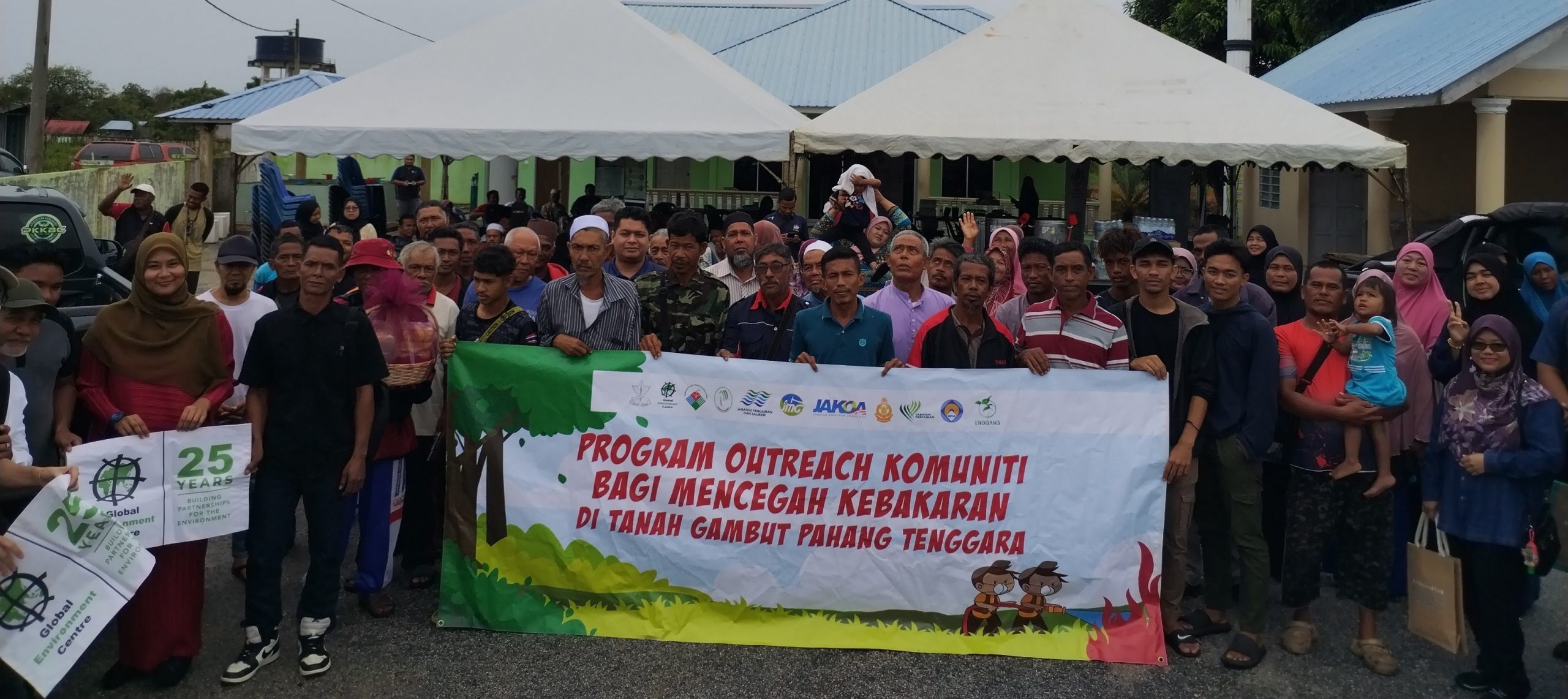
In response to peatland fires in May 2023, which burnt about 580 hectares in the Southeast Pahang Peatland Landscape (SEPPL) in Peninsular Malaysia, the Global Environment Centre (GEC) expanded its Community Outreach Programme on Peatland Forest Fire Prevention.

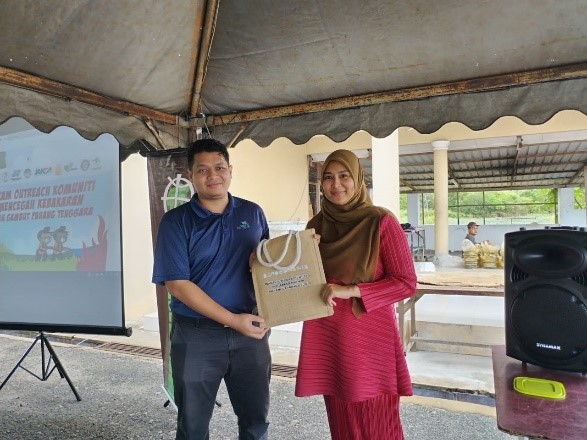
Together with local stakeholders namely the Pahang Department of Environment (DOE) and the Pahang Component of the Sustainable Management of Peatland Ecosystems in Malaysia (SMPEM) has organized a one-day event on 18th August 2023 aimed to raise awareness about fire risks and fire prevention. The programme was well attended by 100 participants including villagers, officials from various government departments including the Pahang Department of Agriculture (DOA), Pahang Minerals and Geoscience Department (JMG), Malaysian Pineapple Industry Board (MPIB), Pahang State Forestry Department (JPNP) and Enggang Holdings.

In his speech, Chairman of Village Development and Security Committee (JPKK), Mr. Samsudin Bin Haji Hassan highlighted the significance of the peatland ecosystem, the hazards associated with open burning, and the potential advantages of improved agricultural practices.

Meanwhile, DOA Pekan’s Assistant Agricultural Officer, Mr. Muhamad Hasnor Bin Hassan encouraged villagers to employ more sustainable farming methods for their pineapple cultivation. DOE’s Environmental Control Officer, Ms. Amirah Syazwani binti Mazlan, presented a video detailing the consequences of engaging in open burning. This was intended to enhance villagers’ understanding and instill a sense of caution regarding such activities.

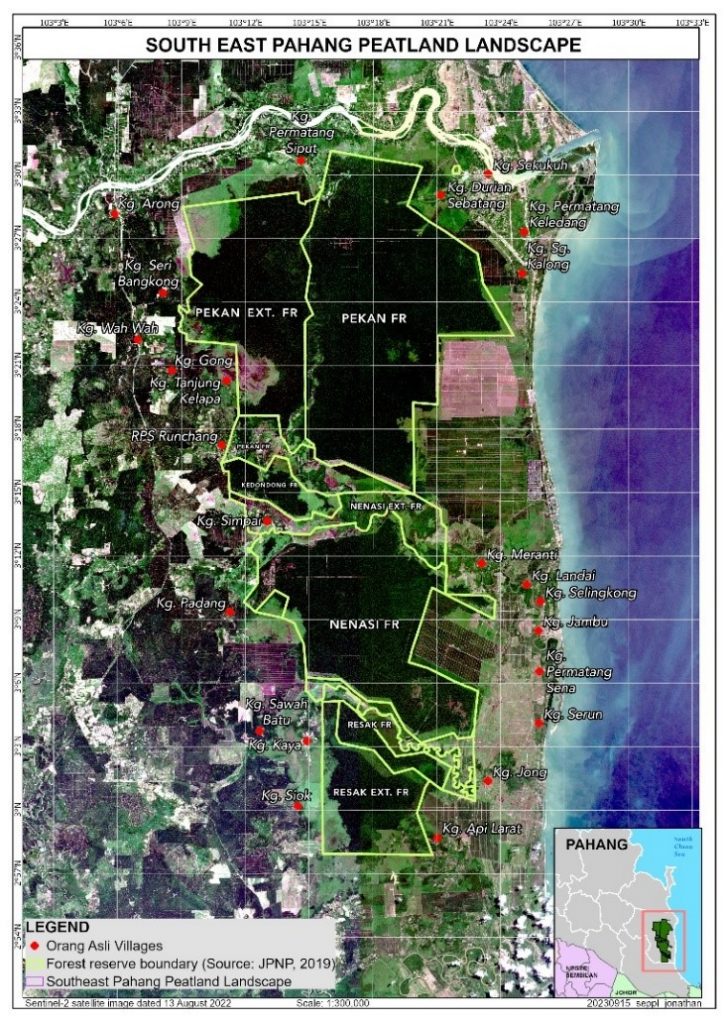
The SEPPL is the largest peatland complex in Peninsular Malaysia with 230,000 hectares including nearly 108,000 hectares of Permanent Reserved Forest and 122,000 hectares of private lands, villages and state land. The landscape covers seven permanent forest reserves named as, Pekan Forest Reserve, Pekan (Extension) Forest Reserve, Nenasi Forest Reserve Nenasi (Extension) Forest Reserve, Resak Forest Reserve, Resak (Extension) Forest Reserve and Kedondong Forest Reserve. Situated in Pekan and Rompin Districts of Pahang State, in Malaysia, this landscape however, confronts challenges akin to other peatlands complex, particular recurring issues of annual peatland and forest fire.

Map credit: GEC

The fires in May 2023 were exacerbated by the strong El-Nino phenomenon which resulted in lower rainfall and unsustainable agricultural practices by the locals. The fires occurred within close proximity to a village – Kampung Baharu Cenderawasih, threatening and putting at risk the safety of the villagers.

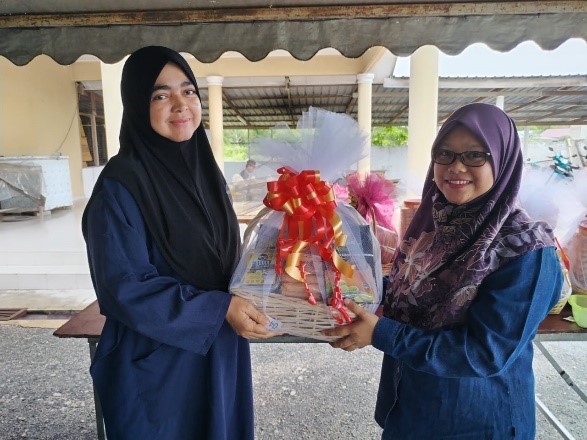
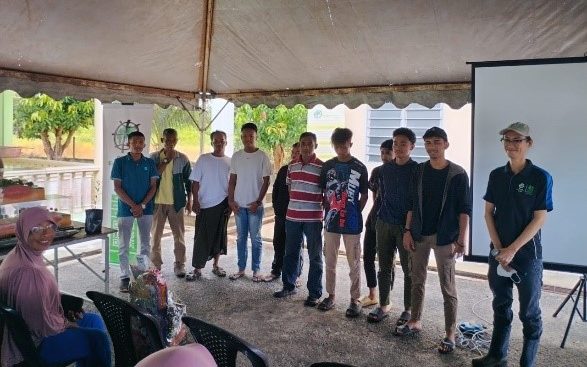
Following this Community Outreach Programme, a Community Fire Brigade was established to serve as the first responders to any land fire-related alert and incidences near their village. The group consists of 10 villagers who will undergo periodic training with Pekan Fire and Rescue Department to ensure they adhere to proper fire prevention and control techniques. This is the second Community-based Fire Brigade established with the support from GEC: the first is from Kampung Meranti – an Indigenous Peoples village community, established in collaboration with the Nenasi Fire and Rescue Department and YP Plantation Holdings Sdn. Bhd.

Photo credit: GEC

With such strong partnership amongst local stakeholders, GEC hopes the SEPPL can be free of forest and land fires, following the success of Bukit Leelau Mini Landscape Programme, in the western part of the SEPPL which has maintained a fire-free record since 2019.

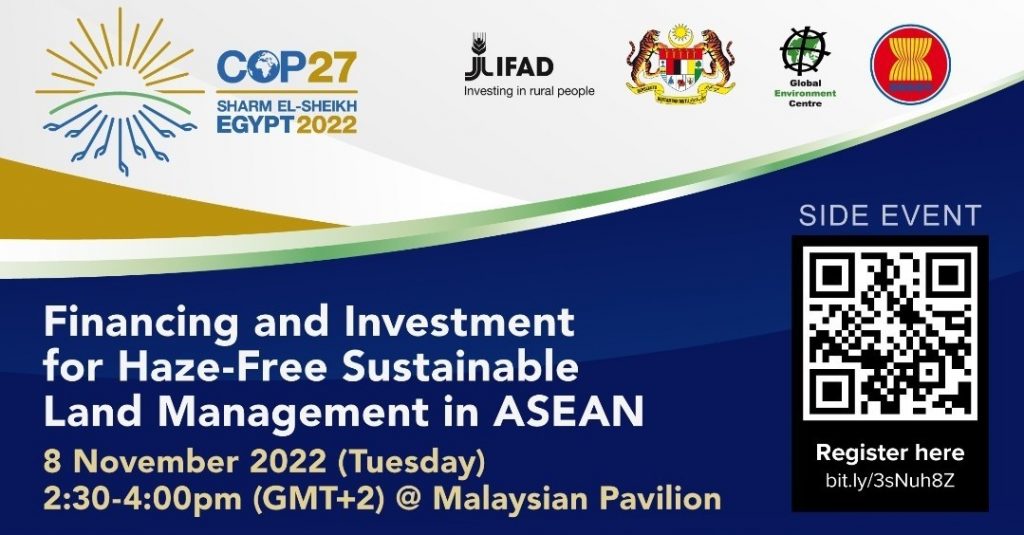
Financing and Investment for Haze-Free Sustainable Land Management in ASEAN

This first side event was co-organised by the Government of Malaysia together with GEC, in partnership with the ASEAN Secretariat and IFAD.

It featured key speakers discussing the strategies to halt massive peatland, forest and land fires that causing transboundary haze in Southeast Asia by securing multi-stakeholder partnerships and US$1.5 billion to finance sustainable low-emission land management in ASEAN.

The forum concluded with a closing remarks highlighting that investment framework for haze-free sustainable land management is one of the key mechanisms to prevent transboundary haze and forming alliance between organisations is crucial to ensure haze-free ASEAN.

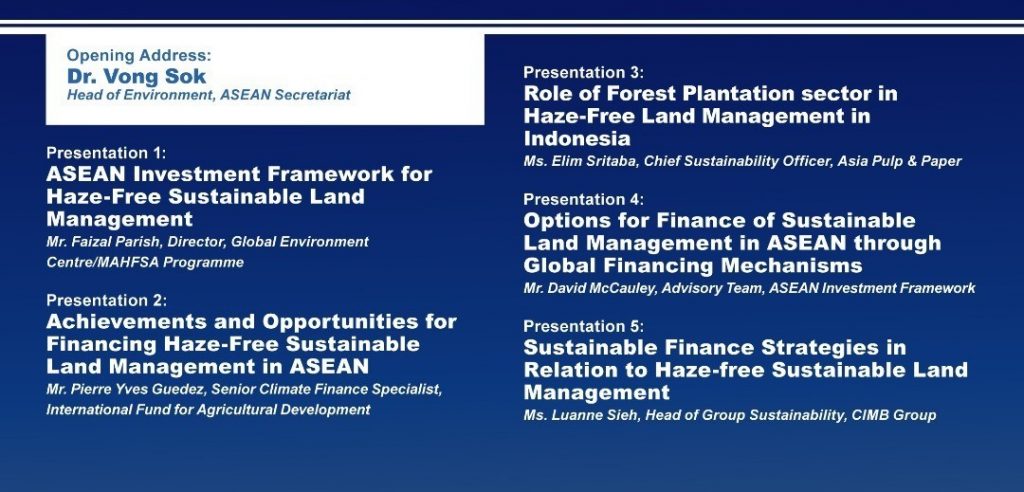
The forum was attended by in person delegates and followed by online participants via Facebook Live of the Ministry of Environment and Water Malaysia. Speakers included: Dr Vong Sok, Head of Environment of ASEAN Secretariat; Mr Faizal Parish, Director of GEC; Mr Pierre Yves Guedez, Senior Climate Specialist of IFAD; Ms. Elim Sritaba, Chief Sustainability Officer of Asia Pulp & Paper; Mr. David McCauley, Advisory Team of ASEAN Investment Framework; and Ms Luanne Sieh, Head of Group Sustainability of CIMB Group.

Finalisation of ASEAN Investment Framework for Haze-Free Sustainable Land Management

Final Consultation with ASEAN Member States to support Haze-Free Sustainable Land Management in ASEAN Region

ASEAN is facing serious environmental challenges such as forest fires, unsustainable land management and smoke haze issues, which have led to devastating impact within Q1 2023, the Mekong sub-region recorded a 93% increase in fire hotspots compared to the corresponding period last year, which resulted in exacerbating transboundary haze pollution severely affecting Myanmar, Lao PDR, Vietnam and Thailand[1].   

Building on the formulation of ASEAN Agreement on Transboundary Haze Pollution (AATHP) in 2002, ASEAN now increases its efforts to achieve a Haze-Free ASEAN. However, one of the challenges in the effective implementation of these plans are the lack of dedicated resource allocation or investments, which has inspired the development of the ASEAN Investment Framework for Haze-Free Sustainable Land Management (AIF-HFSLM).

The AIF-HFSLM has been developed as an effort to embark on a cohesive action at sufficient scale, in an integrated manner across various locations and involving multiple stakeholders, following the initial response of the AMS to address the increasing threat of transboundary smoke haze that has adversely impacted at national and regional levels at varying degrees. The strategic documents and mechanisms developed with reference to the AATHP including the new Roadmap on ASEAN Cooperation towards Transboundary Haze Pollution Control with Means of Implementation (Haze-free Roadmap) 2023-2030 and new ASEAN Peatland Management Strategy (APMS) 2023-2030.

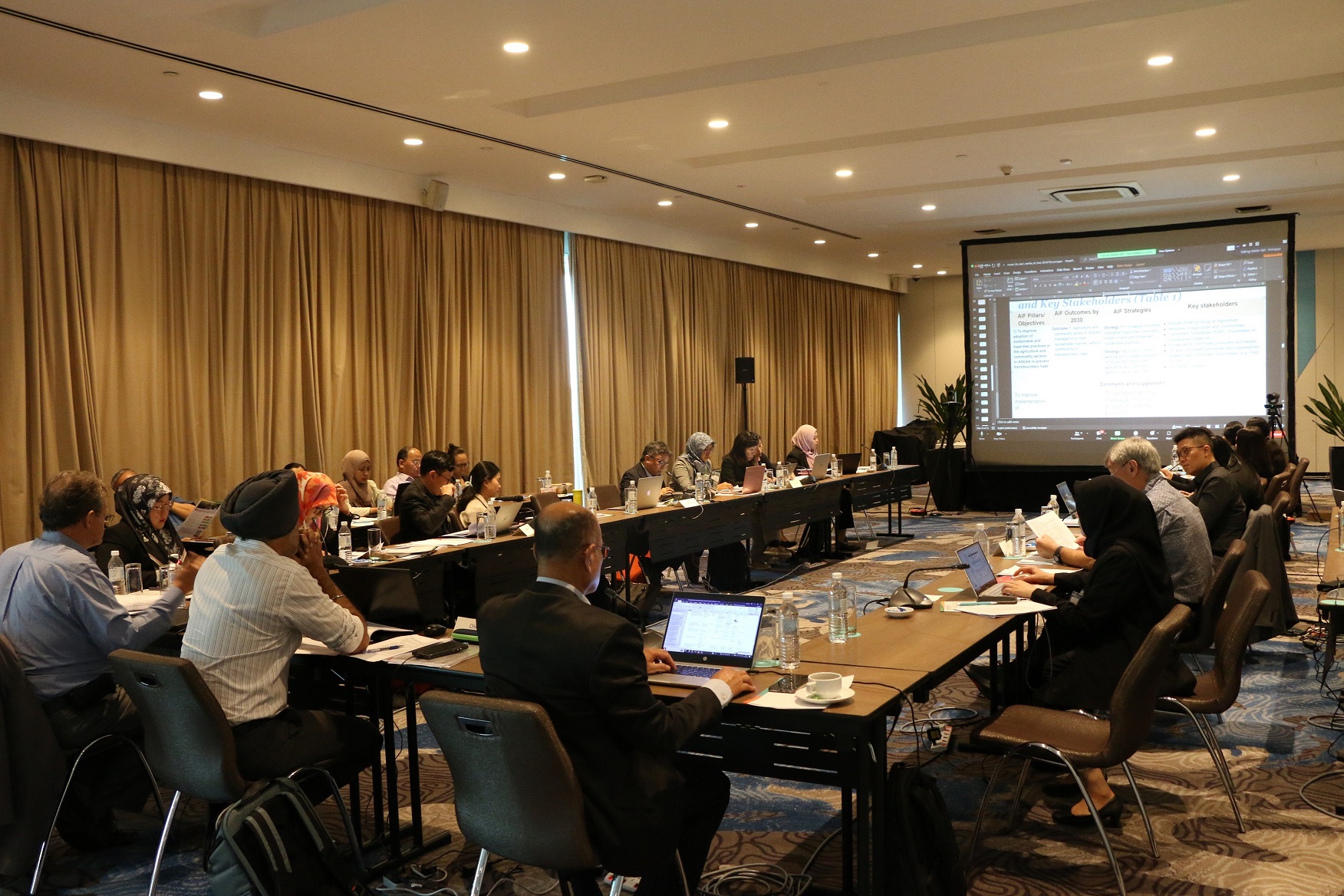
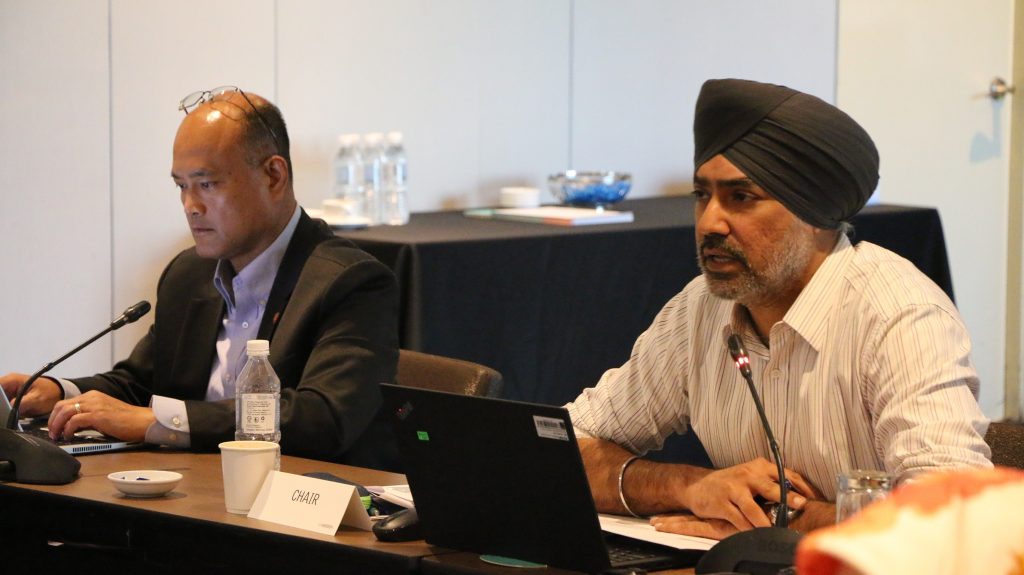
A final consultation workshop on AIF-HFSLM together with the Task Force on ASEAN Haze-Free Roadmap Meeting and Policy Dialogue was hosted in Malaysia’s administrative capital, Putrajaya on 24-26 July 2023. This platform aimed to complete and finalise the AIF and facilitate for an agreement (in principle) amongst all AMS, prior the official Meeting of Committee under the Conference of the Parties (COM) to the AATHP in August 2023.

The final consultation workshop on AIF-HFSLM consisted of two different sessions – i.e., session with AMS focused on finalising input to the AIF document for endorsement; and another interactive session with invited stakeholders from private sector and ASEAN Dialogue Partners for existing innovation that links to the HFSLM. To optimise the opportunity for discussion and exchange of ideas, this workshop was set-up through hybrid setting.

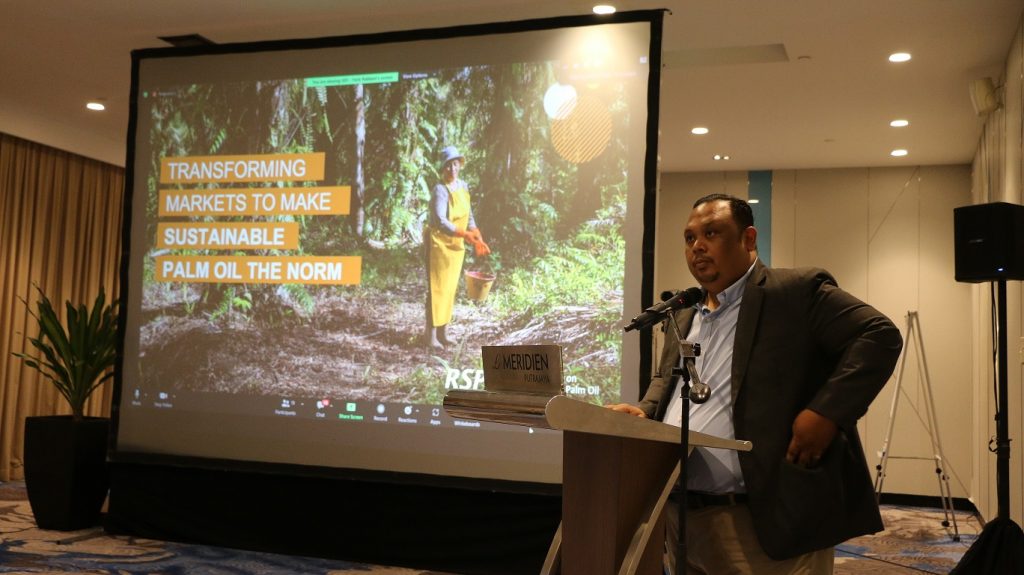
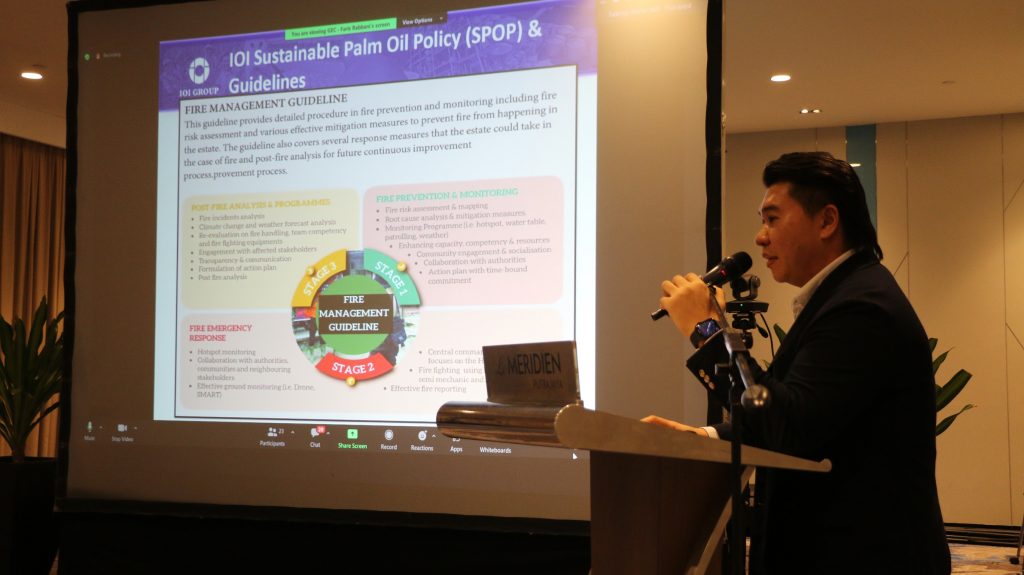
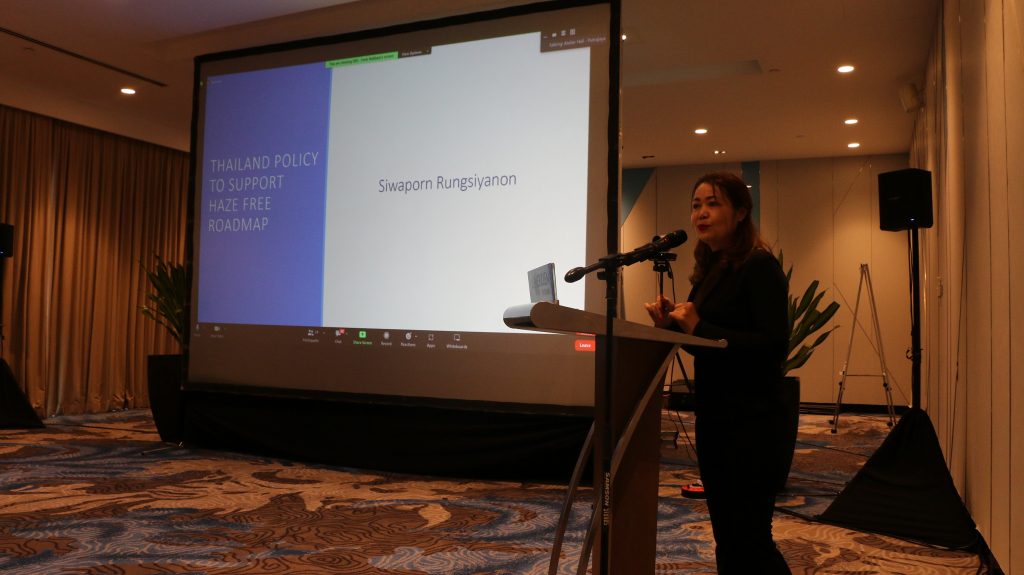
This workshop was attended by local and regional stakeholders including speakers from National Bank of Malaysia (BNM), IOI Group and Roundtable for Sustainable Palm Oil (RSPO) who have provided insight on their sustainability move and policies supporting HFSLM and green financing; whilst representative from Pollution Control Department (PCD) of Thailand informed on new CLEAR Sky Strategy being developed by Thailand, Lao PDR and Myanmar in respond to the transboundary smoke haze early this year. This platform also served as plenary discussion for interaction amongst public and private sectors to strengthen capacity and explore collaboration to expand initiatives and upscale actions to achieve one common goal: a Haze-Free ASEAN for all.

This final consultative workshop was a follow-up to previous consultative workshops held in 2022-2023: the First Consultation Workshop hosted in Singapore (Sept 7) and Second Workshop in Bangkok, Thailand (Sept 22) in 2022, followed by the Initial Investment Framework Workshop (Jan 11) through online platform, and Third Workshop in Jakarta, Indonesia (March 28-29) in 2023.

The finalised ASEAN Investment Framework will be submitted to the Committee of the Conference of Parties to the ASEAN Agreement on Transboundary Haze Pollution for endorsement at its 18th Meeting on 23 August 2023 in Vientiane, Lao PDR.


[1] Source taken from https://www.thaipbsworld.com/thai-myanmar-and-lao-pms-to-cooperate-more-closely-on-cross-border-haze/

Exchange Study Visit to Thailand’s Kuan Kreng Peatlands to learn their Best Practices in Peatland Management

Joint activities by multi-agency cooperation to host the regional exchange visit

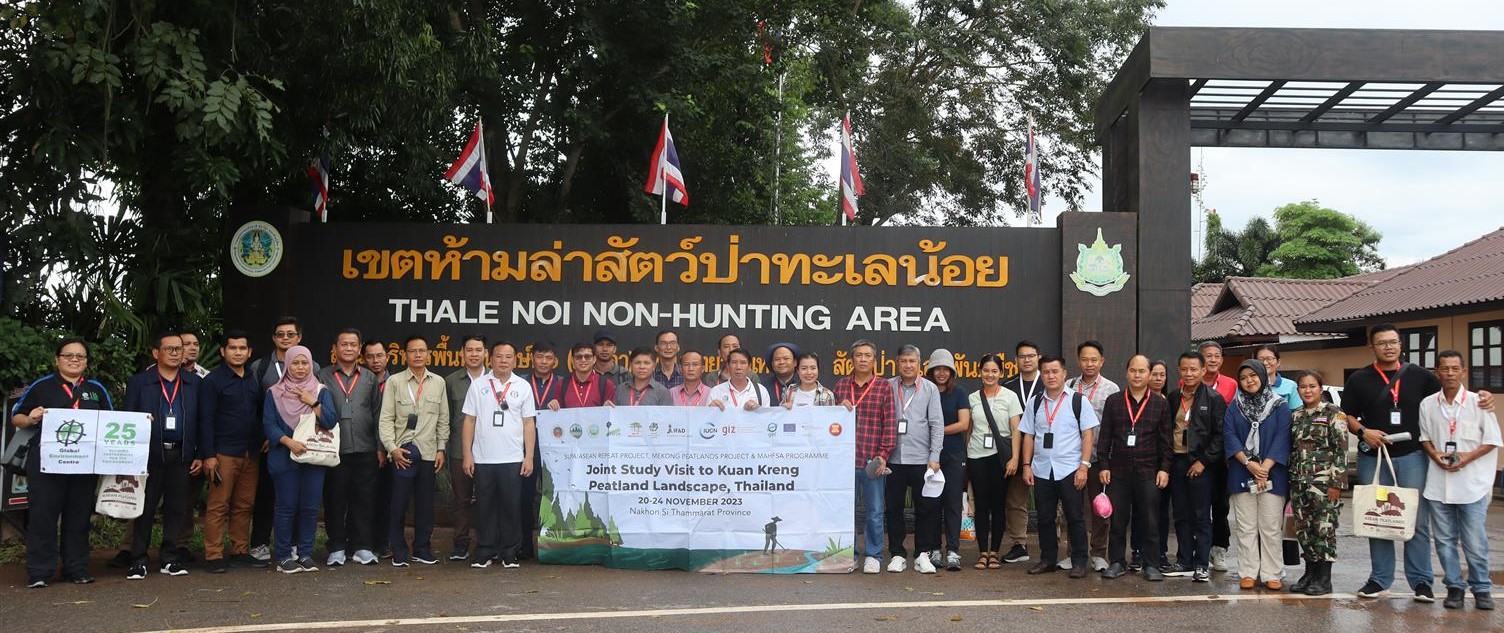
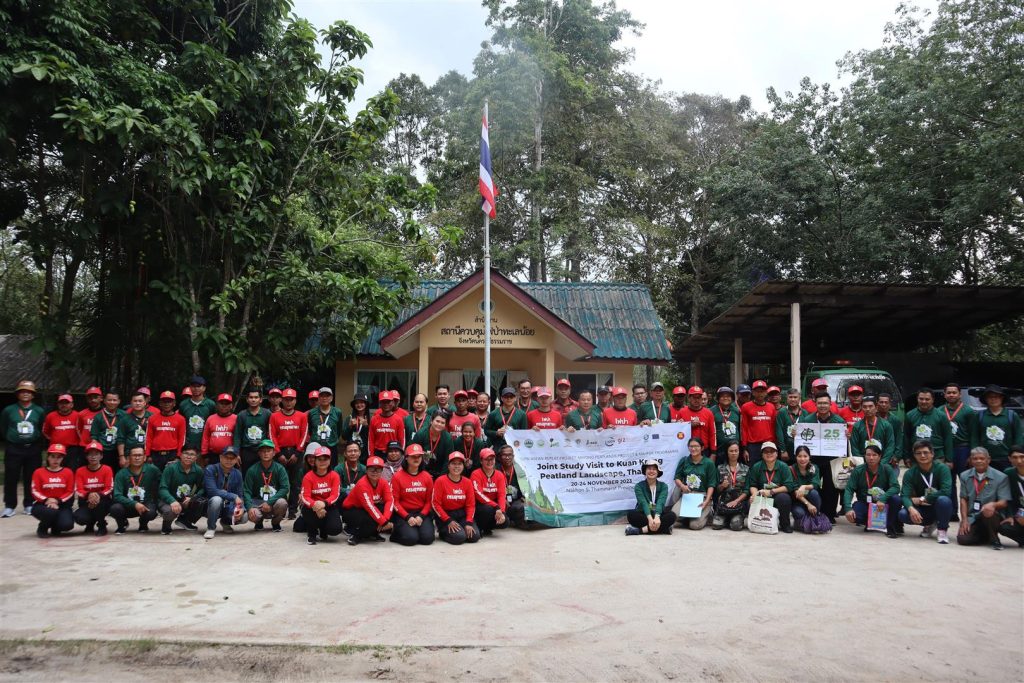
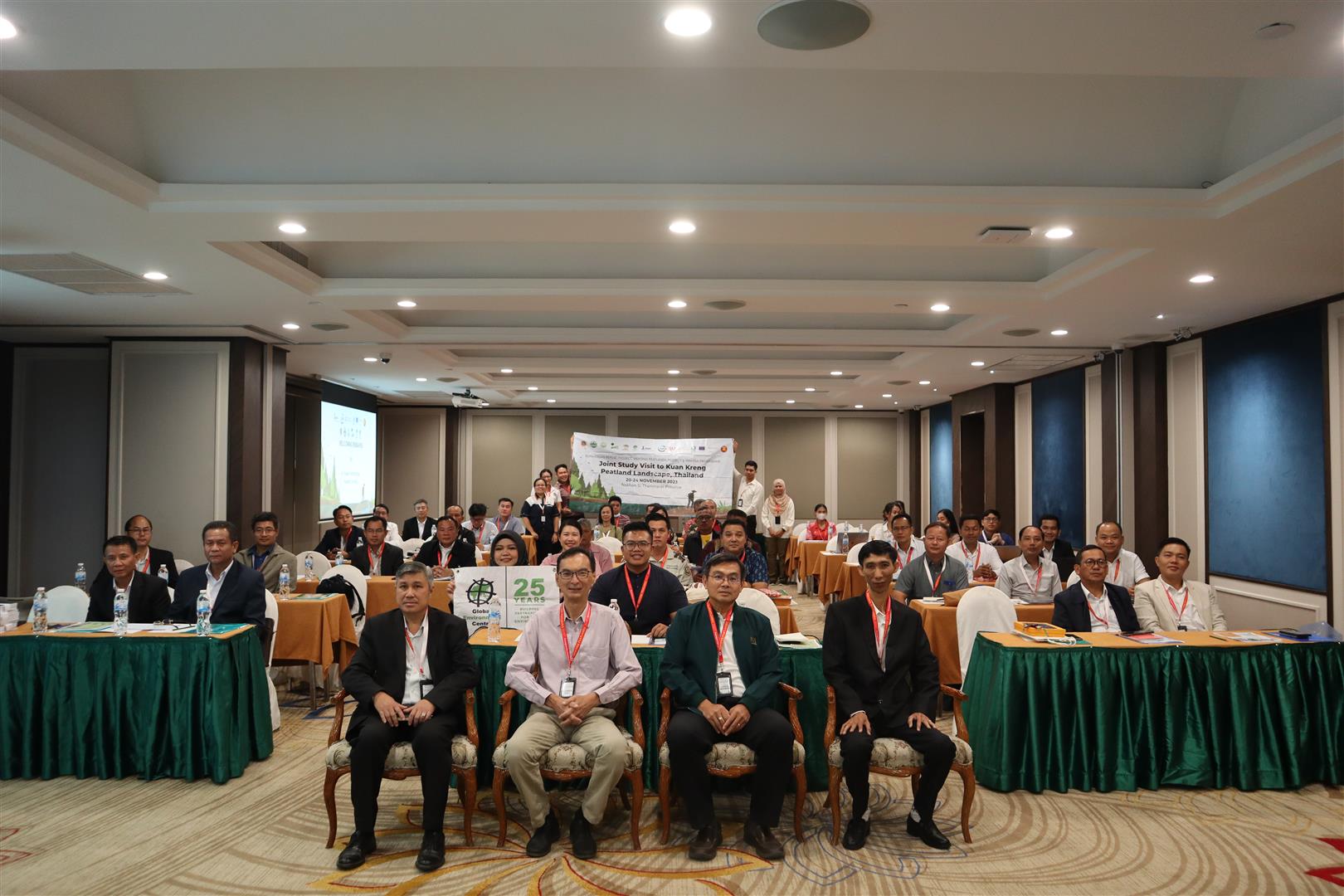
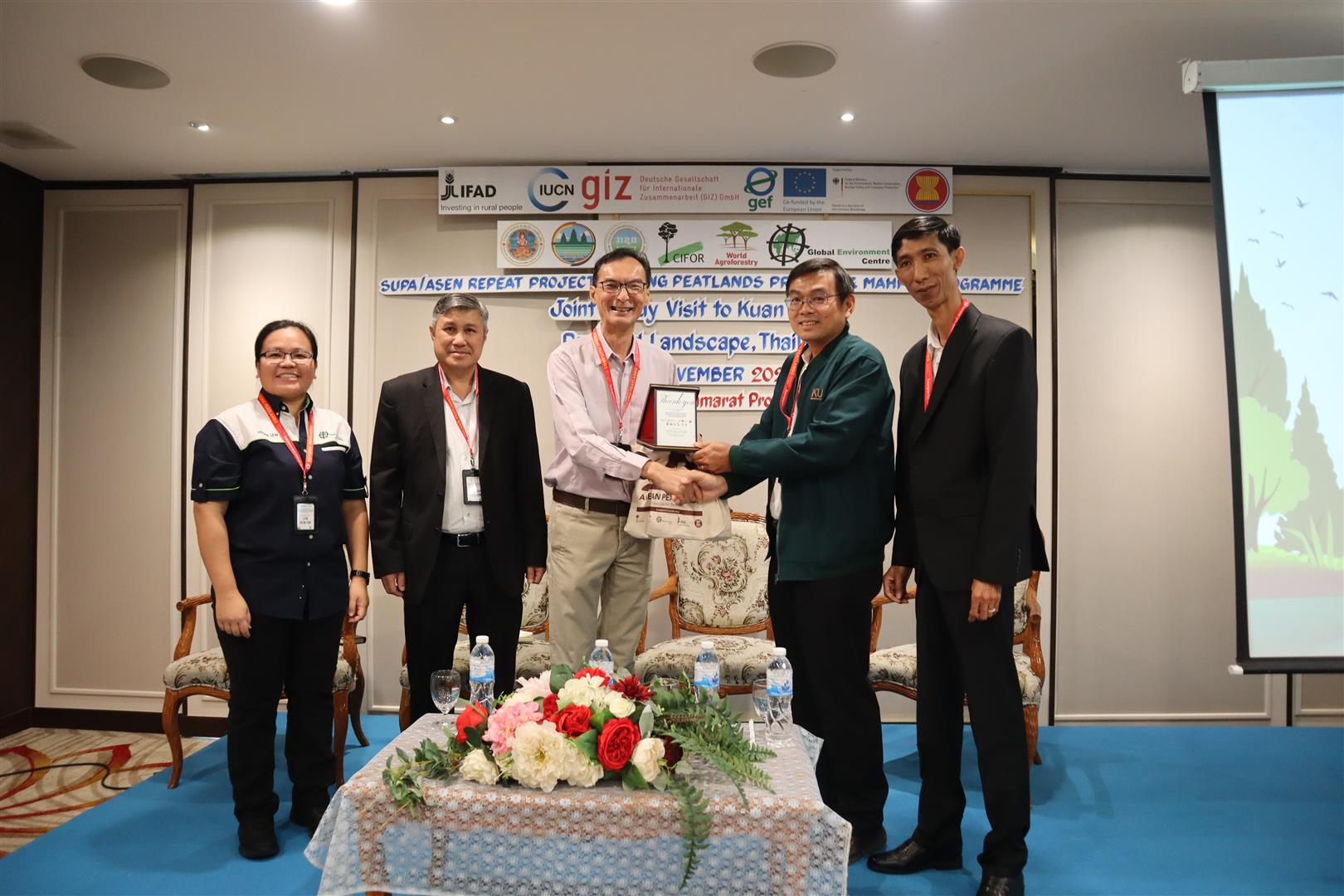
Global Environment Centre (GEC) as part of the MAHFSA Programme collaborated with IUCN-GEF Mekong Peatlands Project and EU-SUPA/ASEAN-REPEAT (Regional Experiences in Sustainable Peatland Management) Project to co-organise an exchange visit on 21-23 November 2023 to Kuan Kreng Peat Swamp Landscape located in Nakhon Si Thammarat Province, the southern part -of Thailand.

The event was participated by an estimated 100 attendees, including government officials from Cambodia and Lao PDR, IUCN representatives, and received local support from Thai government officials and volunteers associated with The Department of National Park, Wildlife and Plant Conservation (DNP), as well as local peat community members.

The purpose of the visit was to showcase best management practices (BMPs) implemented by the Government of Thailand in strengthening peatland governance and improving management. This visit serves as a platform for participants to share experiences and exchange knowledge regarding these BMPs, and encourage replication of these practices after returning to their respective countries.

Commentating on the success of the event, IUCN representative Dr Andrew Wyatt, Chief Technical Advisor of the Mekong Peatlands Project stated: “The trip was a good platform for all delegates to get input on how Thailand governs, protects and manages their peatland. It showcased how they empower their communities in eco-tourism within wetlands while sustaining the ecosystem. This serves as a valuable case study for Cambodia and Lao PDR as they are moving forward in strengthening their own peatland governance and developing respective National Action Plans for Peatlands (NAPP).”

The Kuan Kreng landscape, covering approximately 14,000 hectares across three provinces namely Nakhon Si Thammarat, Phatthalung, and Songkhla, represents a tropical rainforest situated in lowland areas that experience continuous exposure to water over a prolonged period of time.

In 1993, a forest fire swept the Kuan Kreng Peat Swamp Landscape. His Majesty King Bhumibol Adulyadej took the initiative to launch a rehabilitation project to restore the damaged peatland and to improve the livelihood of the people living around the Kuan Kreng peat swamp forest. Following the King’s guidance, a water control system was constructed in 2003 to protect the peat swamp from fire during the dry seasons.

The activities undertaken at Kuan Kreng Peat Swamp Landscape are carried out to promote environmental awareness and conservation. These include operating an exhibition centre aimed at environmental education, engaging in reforestation efforts, and nurturing seedlings in nurseries. There is also a focus on developing the local community’s livelihood and sharing success stories through public relations initiatives. Additionally, collaboration with the DNP and Royal Forest Department (RFD) involves working with local volunteers to prevent and control fires. The local community was encouraged to contribute to peatland conservation through various initiatives that involve establishing a platform for marketing locally crafted items made from native peatland plants such as Lepironia articulate Retz, known locally askrajood’ (Thai), ‘purun’ (Indonesian), and ‘kercut’ (Malay). Furthermore, activities like boating in Thale Noi Non-Hunting Area for water bird-watching, touring to lotus flower spots, and exploring the melaleuca forest contribute to ecotourism, foster knowledge-sharing among countries, and stimulate ideas for potential ecotourism among countries.

Lao PDR’s representative, Ms. Chindavanh Souriyaphack highlighted the visit’s role as a catalyst in developing a framework aimed at protecting country’s peatland landscape. Similarly, Cambodia’s representative, Mr. Yoeung Visal underscored key takeaways from the visit, including insights into governance practices and a range of conventional and modern techniques to address forest fire outbreaks.

In his closing remarks, Mr. Thanakorn Rakhtam, DNP’s Director of Forest Fire Control and Operations Division, Nakhon Si Thammarat, expressed gratitude on behalf of the Government of Thailand for the honour to host the study visit. He conveyed that the delegates found value in the visits and gained some new knowledge to protect their respective peatlands.

The study visit showcased a shared commitment and collaborative efforts among the participating countries and emphasized the importance of regional cooperation in peatland conservation. The exchange of substantial knowledge and shared experiences not only strengthens the resilience of each country’s peatland ecosystem but also paves the way for a sustainable and harmonious future.

EU to support sustainable use of peatland and haze mitigation in ASEAN

JAKARTA, 15 November 2019 – To support ASEAN’s endeavours in combating transboundary haze pollution and peatland fires, the European Union (EU) launched the civil society component of the EUR 24 million programme to support Sustainable Use of Peatland and Haze Mitigation in ASEAN (SUPA). The overall programme is funded with EUR 20 million contributions from the EU and EUR 4 million from the German Government.

This new initiative supports the objectives of the ASEAN Peatland Management Strategy through collective actions and enhanced cooperation that improves sustainable peatland management, mitigates the impacts of climate change, manages the risk of wild fires and reduces trans-boundary regional haze. The initiative also supports and sustains local livelihoods while contributing to global environmental management.

The programme is also critical in tackling the root causes of peatland fires in mitigating the impacts of climate change, especially in the wake of recent peatland and forest fires in the region in 2019, with a total of 857,755 hectares burned, an increase from the 529,266 hectares that burned in 2018 and on top of the 2.6 million hectares burned in 2015[1].

The EU’s support to ASEAN’s sustainable peatland management is composed of two mutually reinforcing main components, namely governmental approach and non-state actor approach. The governmental approach is implemented by Deutsche Gesellschaft für Internationale Zusammenarbeit (GIZ) while the non-state actor approach is implemented by World Resources Institute Indonesia in collaboration with Tropical Rainforest Conservation & Research Centre Malaysia and the IDH Sustainable Trade Initiative. The two components will work collaboratively to support ASEAN in addressing the root causes of forest fires.

The EU Ambassador to ASEAN Igor Driesmans hopes that this new programme will encourage the ASEAN region to become more resilient and proactive in sustainable peatland management. Although much has been achieved since 2015, to fully realise the ASEAN Transboundary Haze Agreement, efforts to mitigate peatland fires and curb the adverse impacts of climate change requires sustained attention.

The Secretary-General of ASEAN Dato Lim Jock Hoi highlighted that the spirit of ASEAN cooperation in addressing regional and transboundary issues remains strong and it is augmented through this year’s ASEAN Chairmanship theme: ‘Advancing Partnership for Sustainability’. ASEAN cooperation and its mechanisms will continue to complement and add-value to the ASEAN Member States’ priorities in many fronts, while simultaneously contributing to the implementation of the UN SDGs.

Further, Dato Lim mentioned that together with the ASEAN-EU High-Level Dialogue on Environment and Climate Change held earlier this month in Bangkok, and the project on Biodiversity Conservation and Management of Protected Areas in ASEAN, SUPA programme is another opportunity provided by the ASEAN-EU cooperation framework which will act as foundation of knowledge to help ASEAN Member States and relevant institutions in achieving enhanced capacity and regional coordination in sustainable management of forest and peatlands.

Ambassador Driesmans also pointed out that the SUPA Programme marks a significant milestone for the EU and ASEAN, as this is the first regional cooperation under the EU-ASEAN Multi-annual Indicative Programme in the area of climate change. This showcases that both regions are committed to tackle the root causes of peatland fires and mitigate the adverse impacts of climate change. In addition, he highlighted that the programme contributes to the EU’s commitment to address global environmental issues, in particular to support mitigation of carbon emissions from carbon-rich peatland areas, as well as conservation of the unique biodiversity of peatland ecosystems.

[1] http://sipongi.menlhk.go.id/pdf/luas_kebakaran

EU Provides RM7.2 Million Grant for ASEAN Peatland Management Project

The European Union (EU) has allocated a grant of Euro 1.8 million (equivalent to RM7.2 million) to support the Sustainable Management of Peatland Forests in South East Asia (SEApeat) project, spanning a four-year duration. Vincent Piket, the EU Ambassador to Malaysia, announced this development in Kuala Selangor. The project’s implementation will be overseen by the Global Environment Centre (GEC), a Malaysian non-governmental organization (NGO) specializing in environmental matters.

While the project’s core management team is based in Malaysia, SEApeat boasts an extensive regional scope, encompassing other ASEAN member states with peatland forests, including Brunei, Cambodia, Indonesia, Laos, Myanmar, the Philippines, Vietnam, and Thailand. During the launch of the project, Ambassador Piket introduced its inaugural activity, known as “The Regional Training and Trainers Programme on Peatland Assessment and Management,” which brought together representatives from various ASEAN countries.

This initiative represents a significant step towards promoting the sustainable management of peatland forests in the region, thanks to the EU’s substantial financial support and collaborative efforts with the GEC and ASEAN nations.