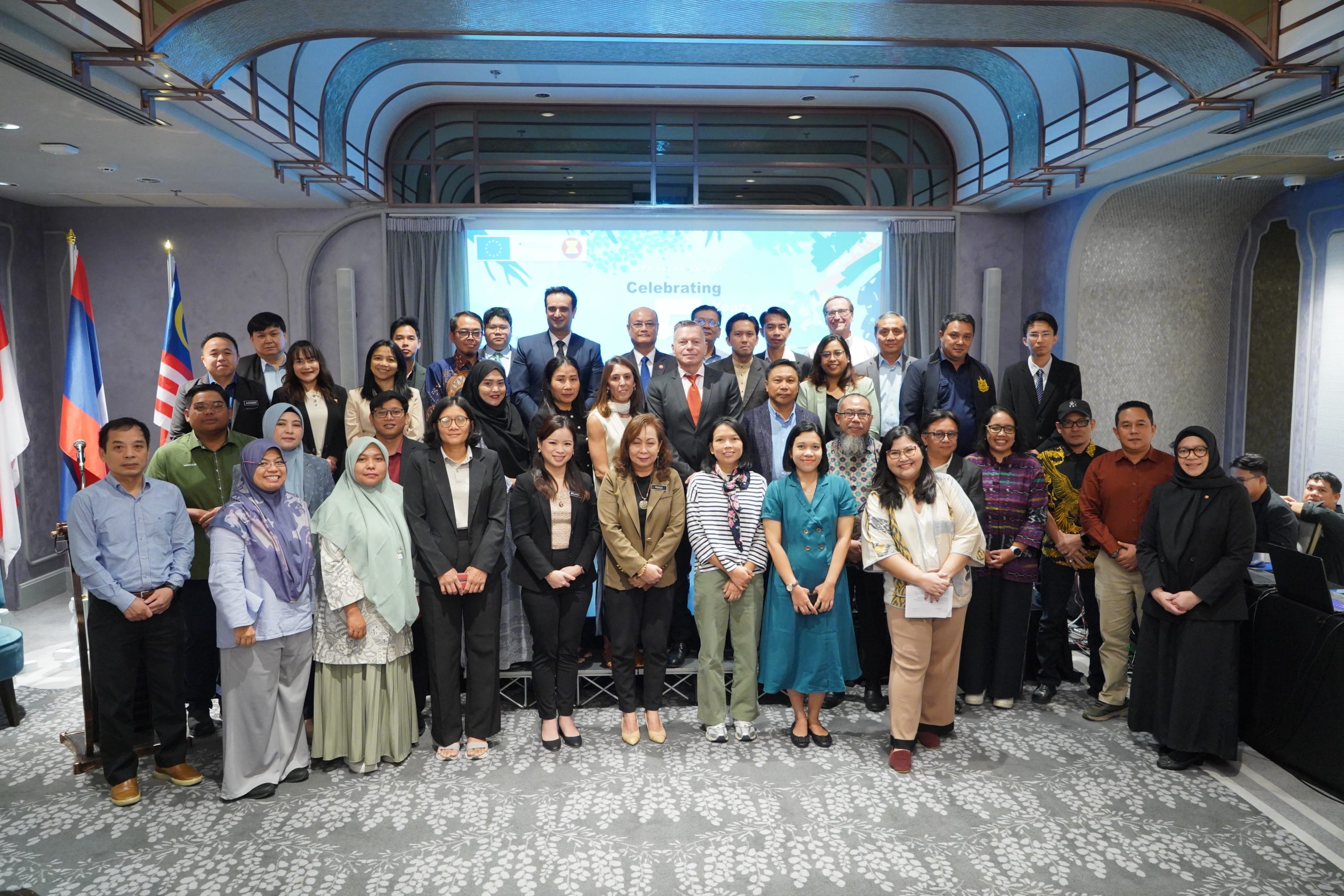
SUPA/ASEAN REPEAT Concludes its Five Years of Implementation in ASEAN

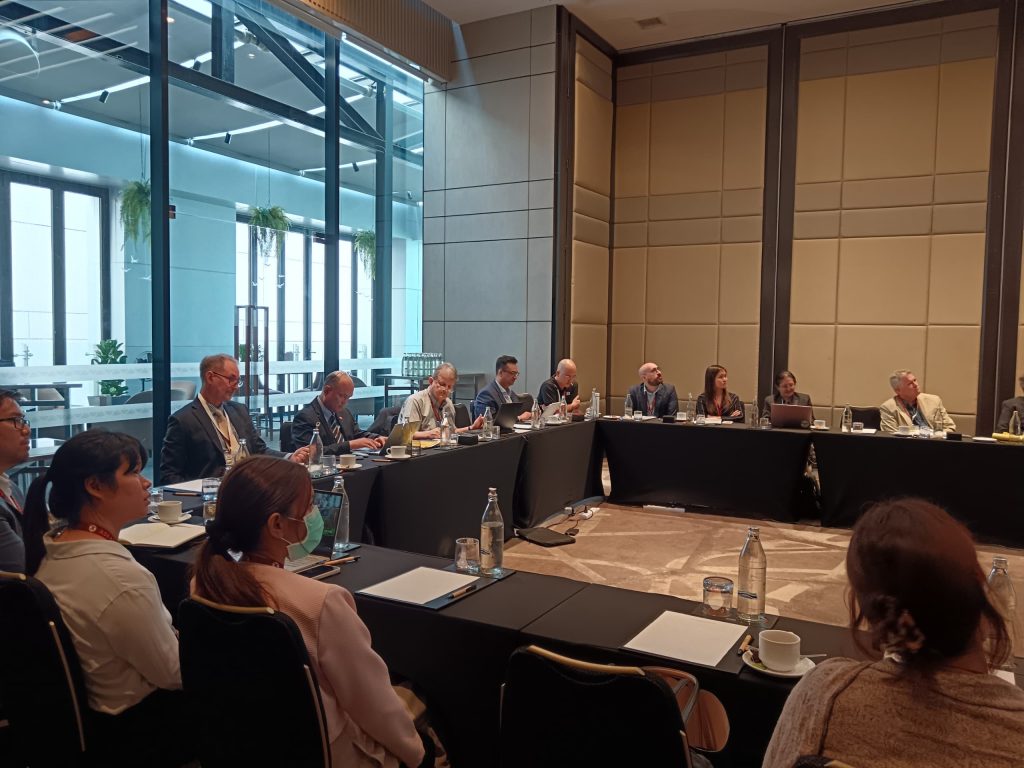
BANGKOK, 7 November 2024 – Sustainable Use of Peatlands and Haze Mitigation in ASEAN/Strengthening Regional Experiences on Sustainable Peatland Management in ASEAN (SUPA/ASEAN REPEAT) organised its closing meeting on 6-7 November 2024 in Bangkok, Thailand. The meeting showcased the achievements and success that the project has done in the span of five years of implementation in the region.

A Legacy of Collaboration and Achievements

As the curtain fell on the SUPA/ASEAN REPEAT project, it became clear that the initiative had made lasting strides in addressing one of the region’s most pressing environmental challenges—peatland degradation. Over the past five years, the project has not only contributed to the implementation of the ASEAN Peatland Management Strategy (APMS) but also laid the groundwork for more resilient and sustainable livelihoods across ASEAN Member States (AMS).

The closing event kicked off with an enlightening presentation by Remote Sensing Solutions GmbH, who revealed an updated peatland map for Southeast Asia—an invaluable tool in monitoring and managing these vital ecosystems. However, it was the second day of the meeting that truly encapsulated the emotional weight of the project’s achievements as ASEAN Member States (AMS), the ASEAN Secretariat, and SUPA/ASEAN REPEAT team gathered for one last time under the SUPA/ASEAN REPEAT event. Representatives from German Embassy in Bangkok and EU Delegation to ASEAN were also present.

Dr. Vong Sok, Head of the Environment Division of the ASEAN Secretariat, delivered a heartfelt message highlighting the significant contribution of the SUPA/ASEAN REPEAT in championing the implementation of the APMS, which include the support for the development of the Second APMS (2023-2030). “On behalf of the ASEAN Secretasriat and ASEAN Member States, we would like to convey our appreciation to Germany and EU for the generous support and reiterate our commitment to continue our efforts for integrated peatland management, engage with stakeholders and the community, for resilient and sustainable livelihoods.”

Reflecting on the Journey: From Concept to Impact

In a poignant online address, Mr. Muamar Vebry, Programme Manager for Climate Change and Disaster Management at the EU Delegation to Indonesia and ASEAN, took attendees on a journey back to the early days of the project. He noted that the SUPA initiative had been a “pioneering endeavour in sustainable peatland management across ASEAN.” He also highlighted the project’s achievements “We have tirelessly supported the implementation of ASEAN Peatland Management Strategy (APMS) and strengthened the capacity of AMS with over 30 capacity building activities and more than 1,000 individuals trained,” he said.

Indeed, the project’s holistic approach—spanning regional, national, and local levels—was a defining feature of its success. Throughout the meeting, the event’s design allowed for a deep dive into the various interventions and collaborations that had shaped the project.

A highlight of the event was the engaging panel discussion on strengthening regional cooperation and capacity building, which featured key experts: Mr. Muhammad Askary from Ministry of Environment and Forestry of Republic Indonesia, Ms. Nadzmin Ahmad Nazir from Ministry of Natural Resources and Environmental Sustainability Malaysia, Dr. Israr Albar from Ministry of Environment and Forestry of Republic Indonesia, and Ms. Mardiah Hayati from ASEAN Secretariat. The discussion underscored the importance of continued collaboration between ASEAN nations in order to enhance the region’s collective capacity to manage peatlands effectively.

From National Strategies to Local Action: Making a Difference on the Ground

The impact of the project was felt not only at the regional level but also through its tailored support at the national level. During the meeting, representatives from several ASEAN Member States presented their experiences with implementing the APMS and National Action Plans for Peatlands (NAPPs) through grant funding from the project. These presentations offered a candid look at both the successes and the challenges encountered along the way—and provided valuable insights for future efforts.

The local impact was equally significant. Representatives from the SUPA pilot sites in Pahang, Malaysia, and Aceh, Indonesia, shared their firsthand experiences, detailing how the project had helped build local capacity and foster community-driven solutions to peatland management. These grassroots efforts, coupled with national and regional strategies, have provided a blueprint for sustainable peatland management in the ASEAN region.

Looking Ahead: Building on a Strong Foundation

While the SUPA/ASEAN REPEAT project may have come to a close, the momentum it has generated is far from over. As Mr. Hans-Ulrich Südbeck, Head of the Economic Department at the German Embassy in Bangkok, noted during his opening remarks, “Looking into the future of the collaboration of German-ASEAN, we will put a strong focus on the new project which is Southeast Asia Clean Air Initiative. This is aiming at ensuring a smooth transition of efforts from SUPA to broader climate action in the region.”

In accordance with Mr. Südbeck’s comments, GIZ also introduced new projects “Sustainable Land Use & Climate Action Policy in ASEAN (CAP)” and “Integrated Approaches for Air Quality Management & Climate Change in Southeast Asia or Southeast Asia Clean Air Initiative (SEACAI)” which would continue the legacy of SUPA/ASEAN REPEAT in mitigating the climate change and air pollution in Southeast Asia.

Ms. Barbara Goncalves from SUPA/ASEAN REPEAT shared the lessons learned from the programme, and Mr. Shameer Khanal, GIZ Cooperation Area Lead ASEAN wrapped up the event.

A Farewell, But Not Goodbye

As the project’s formal activities had concluded, its impact would continue to resonate across the ASEAN region. The contributions of the donors, partners, and stakeholders were acknowledged, with a shared sense of gratitude for the collective efforts that had made SUPA/ASEAN REPEAT a success.

The achievements of SUPA/ASEAN REPEAT

Watch the achievement video: SUPA/ASEAN REPEAT: Celebrating Five Years of Implementation in ASEAN
ASEAN reaffirms commitment to tackle transboundary haze with financial framework

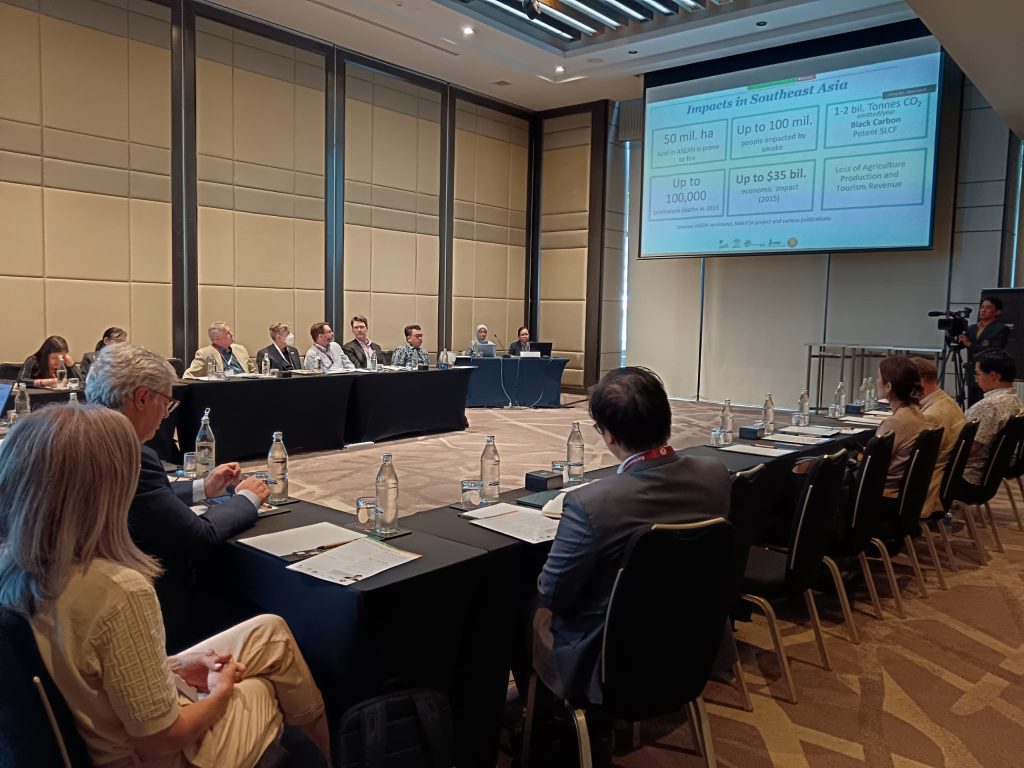
The ASEAN region continues to grapple with the severe impact of transboundary haze, with over 100 million people affected and one to two billion tons of CO2 emitted annually[1], efforts are underway to address these growing concerns.

The ASEAN Investment Framework for Haze-Free Sustainable Land Management (AIF) aims to mobilise an estimated of USD 1.5 billion by 2030 to address the root causes of the transboundary haze across sub-region. Complimenting these efforts, the ASEAN Secretariat with Global Environment Centre (GEC) under IFAD-financed Measurable Action for Haze-Free Sustainable Land Management in Southeast Asia (MAHFSA) Programme has identified a total of USD 1,231,000 million from the 39 ongoing projects and 23 identified pipeline projects aligned with the AIF objectives. This highlights the need for coordinated efforts and resource mobilisation following the endorsement of AIF in August 2023.

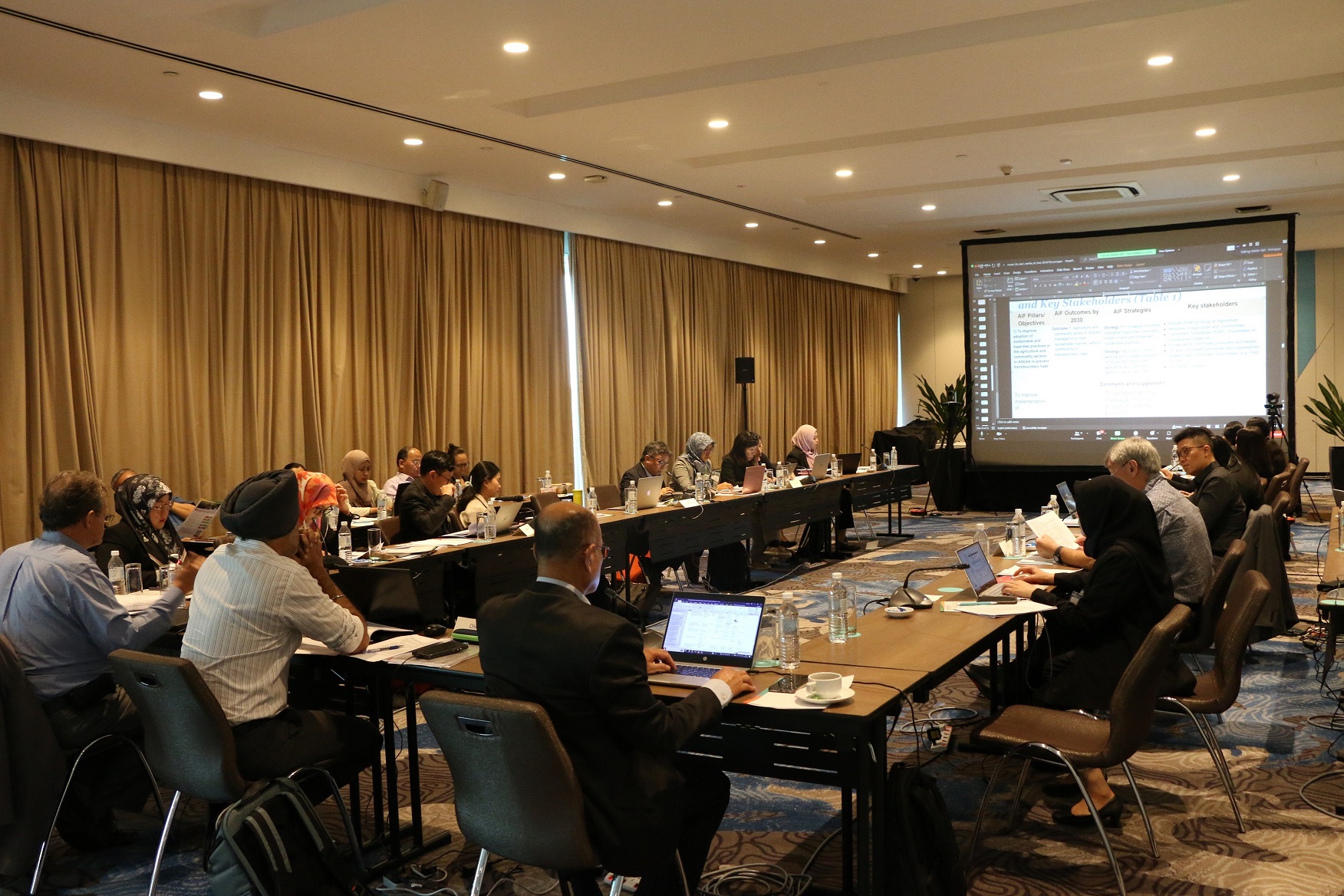
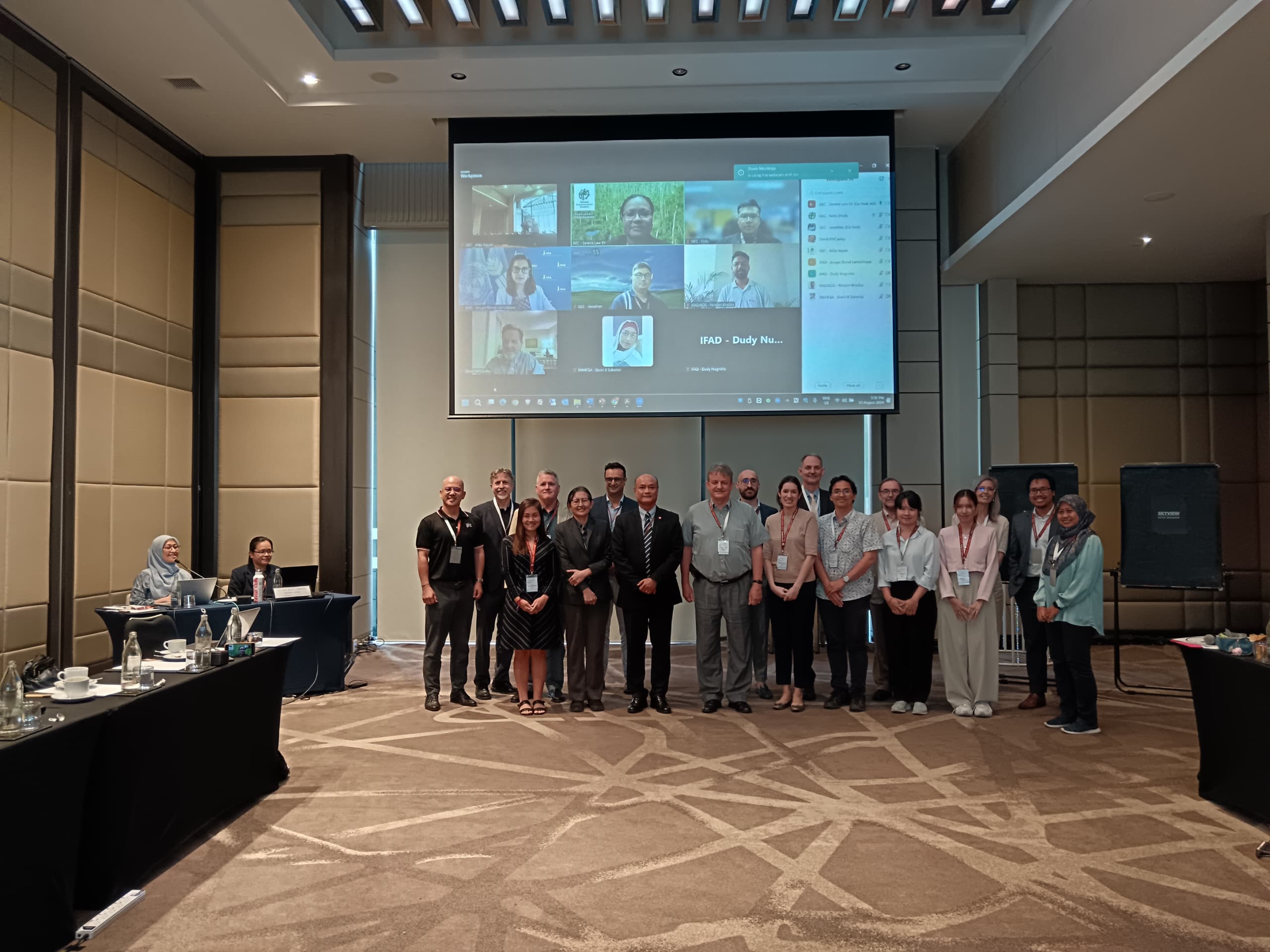
The Partners Dialogue on AIF-HFSLM – Sustainable Investment in Tackling Haze for Better Living took place on 13 August 2024, held in parallel with the 9th ASEAN Task Force on Peatlands (ATFP) in Bangkok, Thailand. This Dialogue served as a platform to engage stakeholders, share inputs and explore potential strategies to support the development of the Implementation Plan for the AIF, as well as to highlight ASEAN commitment to enhance investment in sustainable practices. Marking the first event for the AIF since its endorsement, this Dialogue signifies a crucial step toward realising the shared vision of a haze-free and sustainable ASEAN by 2030.

This Dialogue was inaugurated by Mrs. Sunee Sakseau, Director of Foreign Affairs, Department of National Parks, Wildlife and Plant Conservation (DNP), Thailand, who is also the Incoming Chair of the ASEAN Task Force for Peatland (ATFP). In her opening remarks, she highlighted the importance of strong technical and financial support for the ASEAN Member State (AMS) in implementing the haze-free sustainable land management initiatives.

Meanwhile, ASEAN reaffirmed their commitment to supporting the partners of AIF to ensure the smooth coordination from ASEAN perspective. ASEAN Secretariat’s Head of Environment, Dr. Vong Sok reiterate the framework’s 5 broad objectives designed to address peatland and haze-related matter, offering various opportunities for partners to participate according to their interests and priorities. He also expressed his appreciation for the active participation of partners in joining the initiative. AIF aligns with other ASEAN frameworks such as the Second ASEAN Peatland Management Strategy (APMS 2023-2030), the Second ASEAN Cooperation on Transboundary Haze Pollution Control with Means of Implementation (ASEAN Haze-Free Roadmap 2023-2030) and the ASEAN Sustainable Finance Taxonomy. It emphasises sustainable financing, community empowerment and integrated land management.

During the event, Mr. Faizal Parish, Director of GEC and Lead Implementing Partner of AIF, announced that MAHFSA is in the process of drafting the concept for the AIF Implementation Plan and establishing an Ad-hoc Task Force for further engagement with AMS. “The key action is to identify key stakeholders, continuously map ongoing and pipeline finance projects, establish a partnership network and secure additional resources. As part of the next steps, the AIF plan to establish an ASEAN Haze-Free Alliance to bring the non-state actors together and enhance coordination and knowledge exchange,” he said.

The Dialogue’s discussion session was preceded by six presentations from Global Green Growth Institute (GGGI), IFAD, Asian Development Bank (ADB), Sustainable Rice Platform (SRP), USAID Partnerships for Green Investment (PAGI), and The Deutsche Gesellschaft für Internationale Zusammenarbeit GmbH (GIZ-Thailand) presented their ongoing and pipeline projects, highlighting their potential alignment with the AIF.

A total of 35 representatives from 17 international stakeholders and funding partners participated in the Partners Dialogue on AIF – Sustainable Investment in Tackling Haze for Better Living. Some of the key suggestions and recommendations raised by the participants focused on the importance of linking sustainable land management initiatives to prevent duplication and enhance synergy among projects. Participants urged the mobilisation of donor forums and national investment agencies to better coordinate efforts and maximize the impact of available resources. Other points highlighted are challenges in peatland carbon projects and critical role of the ASEAN Secretariat in guiding the AIF initiatives. Another key suggestion included establishing a directory of partners and a registry of projects to ensure transparency and collaboration, as well as strategic use of existing ASEAN mechanisms.

Participants also highlighted the need for additional funding, proposing innovative approach such as utilising the ASEAN Regional Clean Air Fund and establishing a sustainable rice financing facility. Participants also suggested linking the AIF to Partnerships for Green Investment (PAGI), a new USAID-funded project aimed at supporting sustainable land use practices in Southeast Asia, focusing on emissions reductions, climate resilience, biodiversity protection, inclusiveness, and benefit sharing. The participants stressed the importance of engaging a broader range of stakeholders, including urban dwellers in funding mechanisms, which is crucial for the success of these initiatives.

The Dialogue marks a significant milestone in the collaborative efforts to tackle the transboundary haze issue in ASEAN. As the region moves toward a haze-free future by 2030, the commitments made by stakeholders and the active participation of diverse partners demonstrate the importance of unified action. With continued engagement, resource mobilization, and strategic alignment of projects through frameworks like AIF, ASEAN is ready to strengthen its sustainable land management practices and ensure a healthier, haze-free environment for its people. The road ahead requires collective action, innovative solutions, and long-term funding to address the root causes of haze, however this Dialogue has set a promising foundation for transformative impact.


[1] ASEAN Socio Cultural Community (retrieved on 10 September 2024). Haze, retrieved from https://asean.org/our-communities/asean-socio-cultural-community/haze-2/

Launch of the Second ASEAN Haze-Free Roadmap (2023-2030) and Policy Dialogue on Strategies and Actions for Achieving a Haze-Free Southeast Asia

Transboundary haze is a widespread air pollution and smog that affects multiple countries and regions, including Southeast Asia (SEA). The issue of haze has transcended from being a regional concern to a global environmental crisis and is primarily caused by land clearing and peatland fires, causing severe environmental degradation, health hazards, and economic disruptions. The Association of Southeast Asian Nations (ASEAN) Member States (AMS) have taken several measures to tackle transboundary haze and promote regional cooperation to address the problem effectively. The key measures include the signing and ratification of the ASEAN Agreement on Transboundary Haze Pollution (AATHP), adoption of the Roadmap on ASEAN Cooperation towards Transboundary Haze Pollution Control with Means of Implementation (2016-2020) and the ASEAN Peatland Management Strategy 2006-2020 (APMS), which specifically provided a framework of action to address peatland related haze issues.

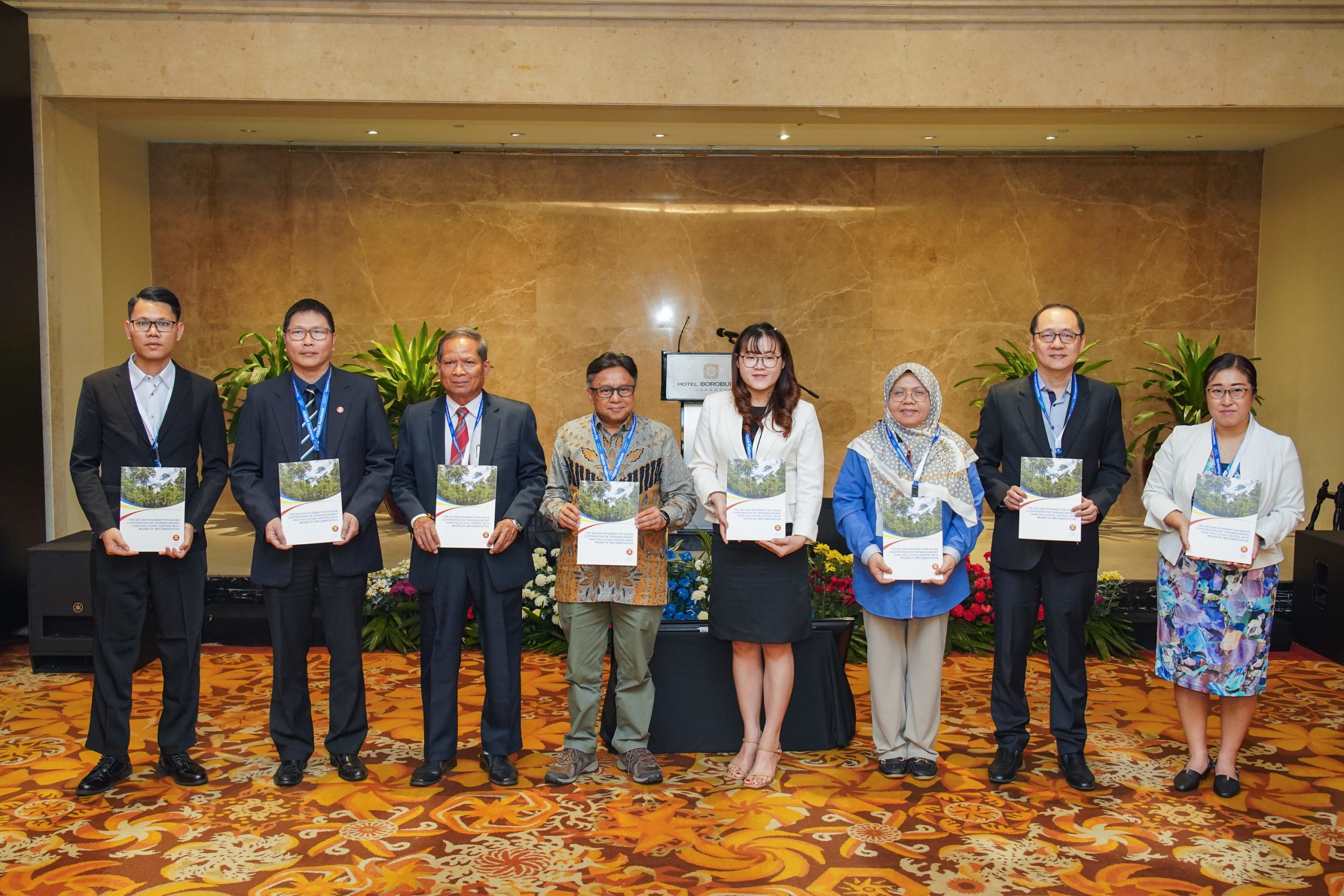
A review commissioned to evaluate progress and experiences of the First (2016-2020) Roadmap implementation to achieve the vision of haze-free ASEAN has led to the development of a new roadmap.  In August 2023, the Second Roadmap on ASEAN Cooperation towards Transboundary Haze Pollution Control with Means of Implementation (Haze-Free Roadmap) (2023-2030) was adopted during the 18th Meeting of the Committee Under the Conference of the Parties to ASEAN Agreement on Transboundary Haze Pollution (COM-18) and 18th Meeting of the Conference of the Parties to ASEAN Agreement on Transboundary Haze Pollution (COP-18). It consists of nine mutually reinforcing strategies.

The Second Roadmap synthesizes lessons learned, best practices, and innovative approaches, charting a course that amalgamates regional aspirations with actionable steps toward a haze-free future. Drawing on lessons learned from the implementation of the First Roadmap and considering the need to increase stakeholders’ awareness of the Second Roadmap, it is crucial to provide a platform for relevant actors to exchange of views on the Roadmap’s various strategies and actions for addressing transboundary haze issues. Such platforms enable relevant stakeholders to better understand differing perspectives on aspects such as policy and regulatory framework and law enforcement, sustainable land management practices, community engagement, innovative technologies etc. This can serve as the basis for creating effective policies and implementation.

To promote public awareness of the Second Roadmap and encourage participation of stakeholders in the implementation of strategies and actions, the ASEAN Secretariat together with MAHFSA Programme, is hosting a hybrid launch of the Second Roadmap and policy dialogue on 21 February 2024 in Jakarta. This event will consist of a half-day launch ceremony followed by a policy dialogue. The policy dialogue will highlight new elements of the Second ASEAN Haze-Free Roadmap and discuss the inextricably linked strategies and actions. The policy dialogue will explore the roles of both the public and private sectors in combating haze, while emphasizing the critical need for collaborative endeavors between these sectors. By fostering a dialogue that encompasses diverse viewpoints and stakeholder contributions, the event endeavors to pave the way for a more holistic and inclusive approach towards achieving a haze-free Southeast Asia.

Objectives

  1. Highlight key elements of the Second ASEAN Haze-Free Roadmap
  2. Stakeholders discuss perspectives on strategies and actions, and resources of the Second Roadmap, including the role of public and private sector and other institutions to tackle fires and haze in the region
  3. Identify opportunities for collaboration and alignment
  4. The Second Haze-Free Roadmap is launched and showcased

Recorded Videos

Opening and welcoming remarks
Roadmap Launch!
Presentation: What is the ASEAN Haze free Roadmap?
Talk Show: Perspectives on the Second Roadmap and associated strategies
Group discussions: Opportunities for collaboration and alignment of efforts
Closing

Original article: https://www.cifor-icraf.org/event/launch-of-the-second-asean-haze-free-roadmap-2023-2030-and-policy-dialogue-on-strategies-and-actions-for-achieving-a-haze-free-southeast-asia/

Exchange Study Visit to Thailand’s Kuan Kreng Peatlands to learn their Best Practices in Peatland Management

Joint activities by multi-agency cooperation to host the regional exchange visit

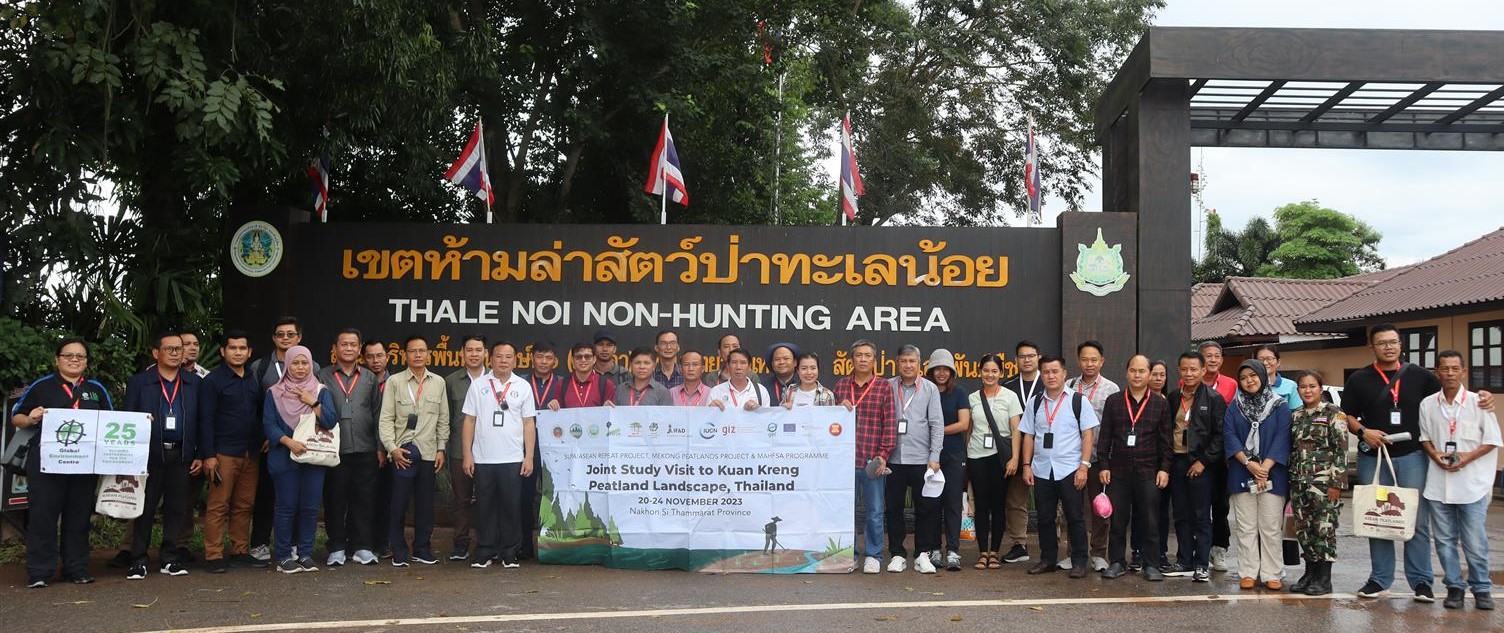
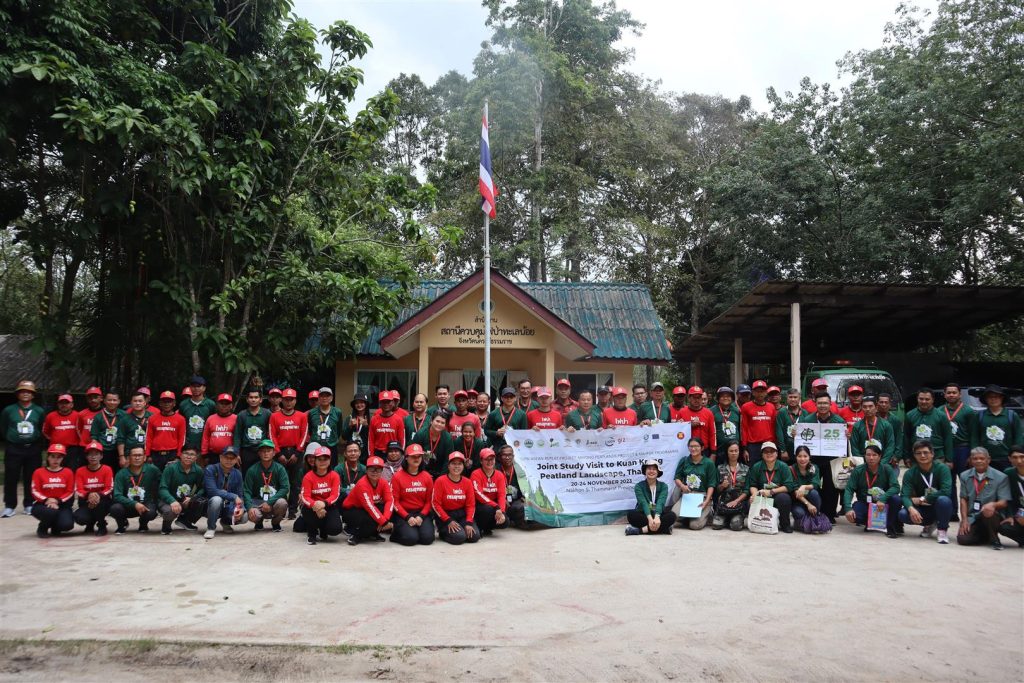
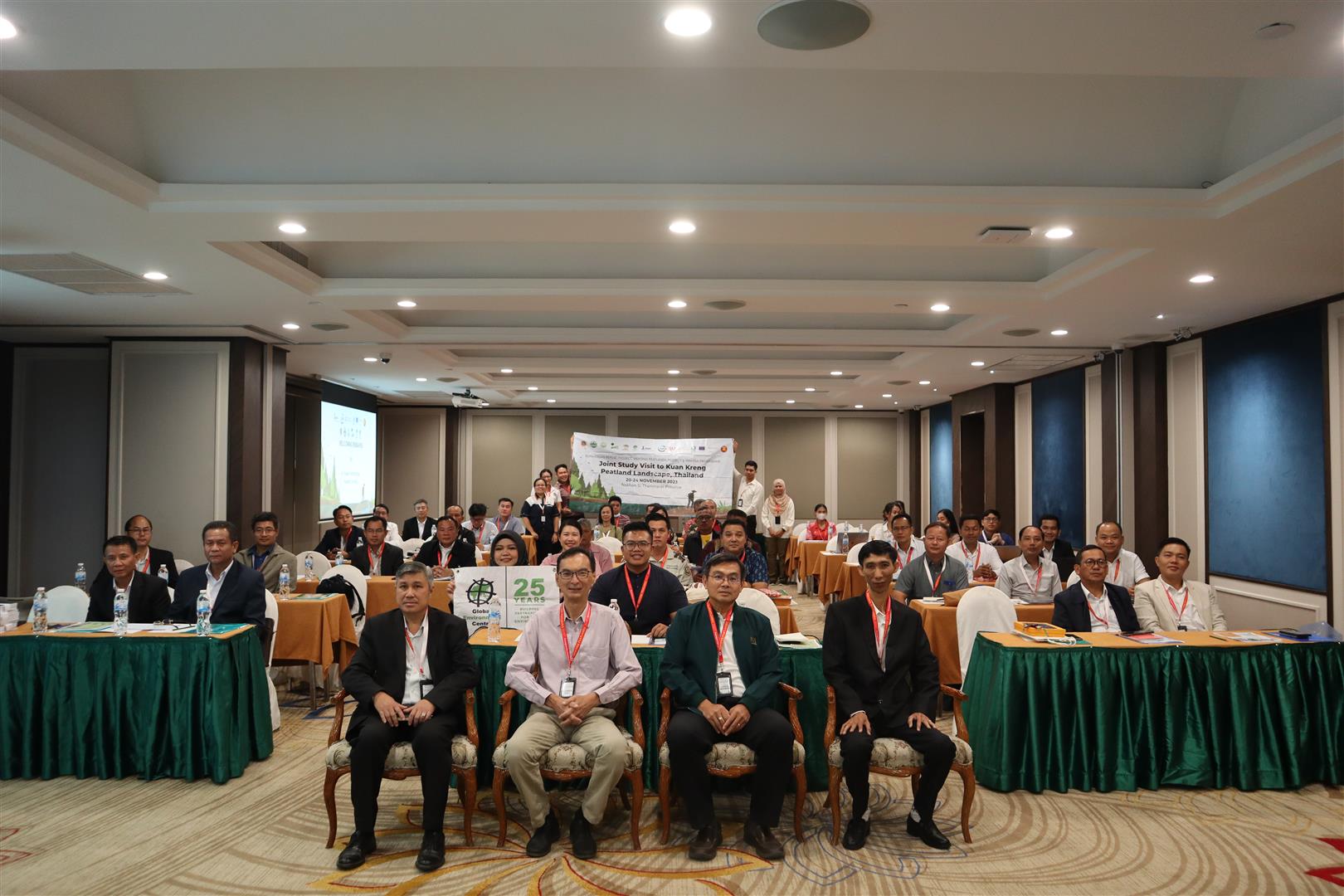
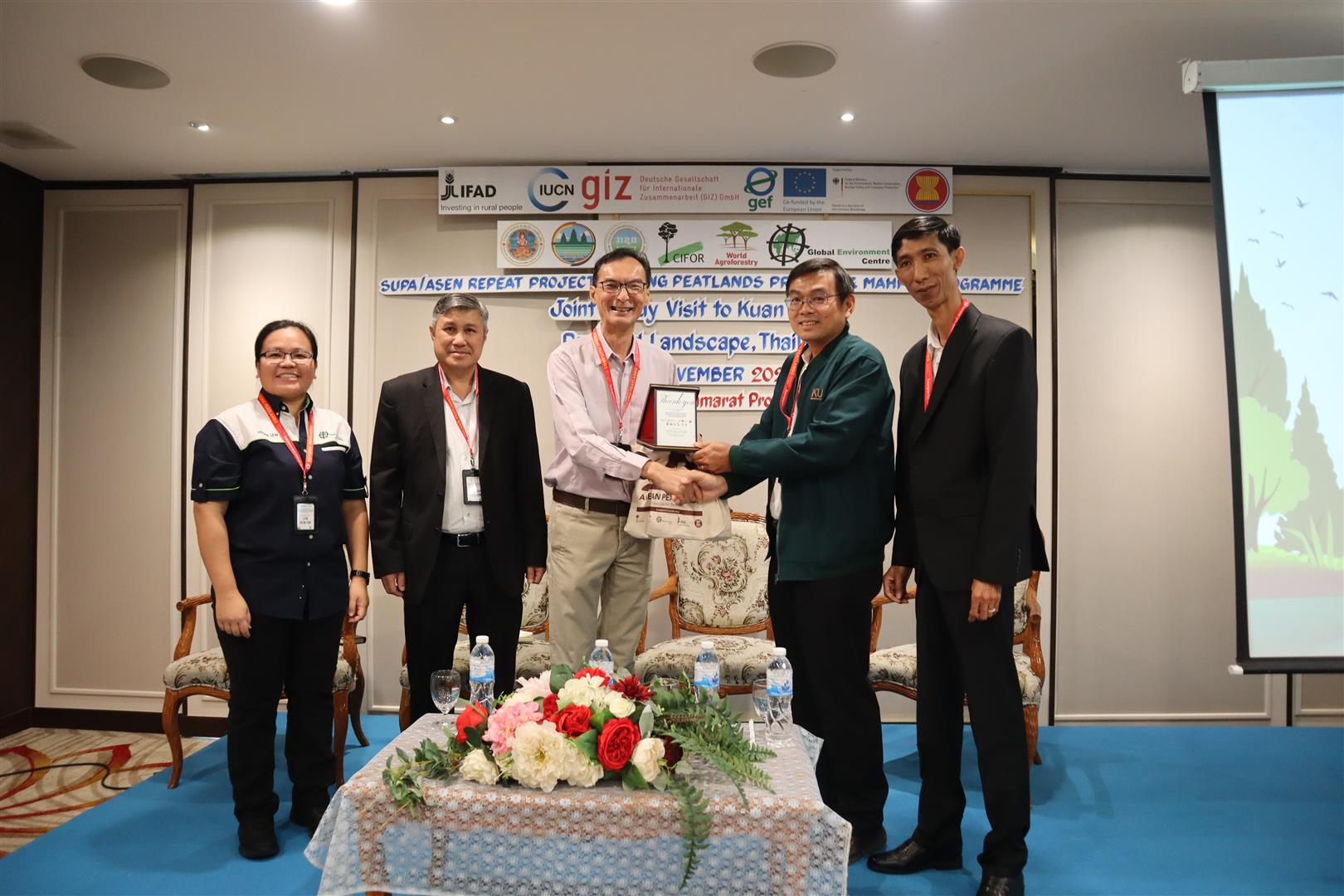
Global Environment Centre (GEC) as part of the MAHFSA Programme collaborated with IUCN-GEF Mekong Peatlands Project and EU-SUPA/ASEAN-REPEAT (Regional Experiences in Sustainable Peatland Management) Project to co-organise an exchange visit on 21-23 November 2023 to Kuan Kreng Peat Swamp Landscape located in Nakhon Si Thammarat Province, the southern part -of Thailand.

The event was participated by an estimated 100 attendees, including government officials from Cambodia and Lao PDR, IUCN representatives, and received local support from Thai government officials and volunteers associated with The Department of National Park, Wildlife and Plant Conservation (DNP), as well as local peat community members.

The purpose of the visit was to showcase best management practices (BMPs) implemented by the Government of Thailand in strengthening peatland governance and improving management. This visit serves as a platform for participants to share experiences and exchange knowledge regarding these BMPs, and encourage replication of these practices after returning to their respective countries.

Commentating on the success of the event, IUCN representative Dr Andrew Wyatt, Chief Technical Advisor of the Mekong Peatlands Project stated: “The trip was a good platform for all delegates to get input on how Thailand governs, protects and manages their peatland. It showcased how they empower their communities in eco-tourism within wetlands while sustaining the ecosystem. This serves as a valuable case study for Cambodia and Lao PDR as they are moving forward in strengthening their own peatland governance and developing respective National Action Plans for Peatlands (NAPP).”

The Kuan Kreng landscape, covering approximately 14,000 hectares across three provinces namely Nakhon Si Thammarat, Phatthalung, and Songkhla, represents a tropical rainforest situated in lowland areas that experience continuous exposure to water over a prolonged period of time.

In 1993, a forest fire swept the Kuan Kreng Peat Swamp Landscape. His Majesty King Bhumibol Adulyadej took the initiative to launch a rehabilitation project to restore the damaged peatland and to improve the livelihood of the people living around the Kuan Kreng peat swamp forest. Following the King’s guidance, a water control system was constructed in 2003 to protect the peat swamp from fire during the dry seasons.

The activities undertaken at Kuan Kreng Peat Swamp Landscape are carried out to promote environmental awareness and conservation. These include operating an exhibition centre aimed at environmental education, engaging in reforestation efforts, and nurturing seedlings in nurseries. There is also a focus on developing the local community’s livelihood and sharing success stories through public relations initiatives. Additionally, collaboration with the DNP and Royal Forest Department (RFD) involves working with local volunteers to prevent and control fires. The local community was encouraged to contribute to peatland conservation through various initiatives that involve establishing a platform for marketing locally crafted items made from native peatland plants such as Lepironia articulate Retz, known locally askrajood’ (Thai), ‘purun’ (Indonesian), and ‘kercut’ (Malay). Furthermore, activities like boating in Thale Noi Non-Hunting Area for water bird-watching, touring to lotus flower spots, and exploring the melaleuca forest contribute to ecotourism, foster knowledge-sharing among countries, and stimulate ideas for potential ecotourism among countries.

Lao PDR’s representative, Ms. Chindavanh Souriyaphack highlighted the visit’s role as a catalyst in developing a framework aimed at protecting country’s peatland landscape. Similarly, Cambodia’s representative, Mr. Yoeung Visal underscored key takeaways from the visit, including insights into governance practices and a range of conventional and modern techniques to address forest fire outbreaks.

In his closing remarks, Mr. Thanakorn Rakhtam, DNP’s Director of Forest Fire Control and Operations Division, Nakhon Si Thammarat, expressed gratitude on behalf of the Government of Thailand for the honour to host the study visit. He conveyed that the delegates found value in the visits and gained some new knowledge to protect their respective peatlands.

The study visit showcased a shared commitment and collaborative efforts among the participating countries and emphasized the importance of regional cooperation in peatland conservation. The exchange of substantial knowledge and shared experiences not only strengthens the resilience of each country’s peatland ecosystem but also paves the way for a sustainable and harmonious future.

GEC’s expands its community outreach programme for Forest and Peatland Fire Prevention with establishment of its second Community Fire Brigade in Pahang

In response to peatland fires in May 2023, which burnt about 580 hectares in the Southeast Pahang Peatland Landscape (SEPPL) in Peninsular Malaysia, the Global Environment Centre (GEC) expanded its Community Outreach Programme on Peatland Forest Fire Prevention.

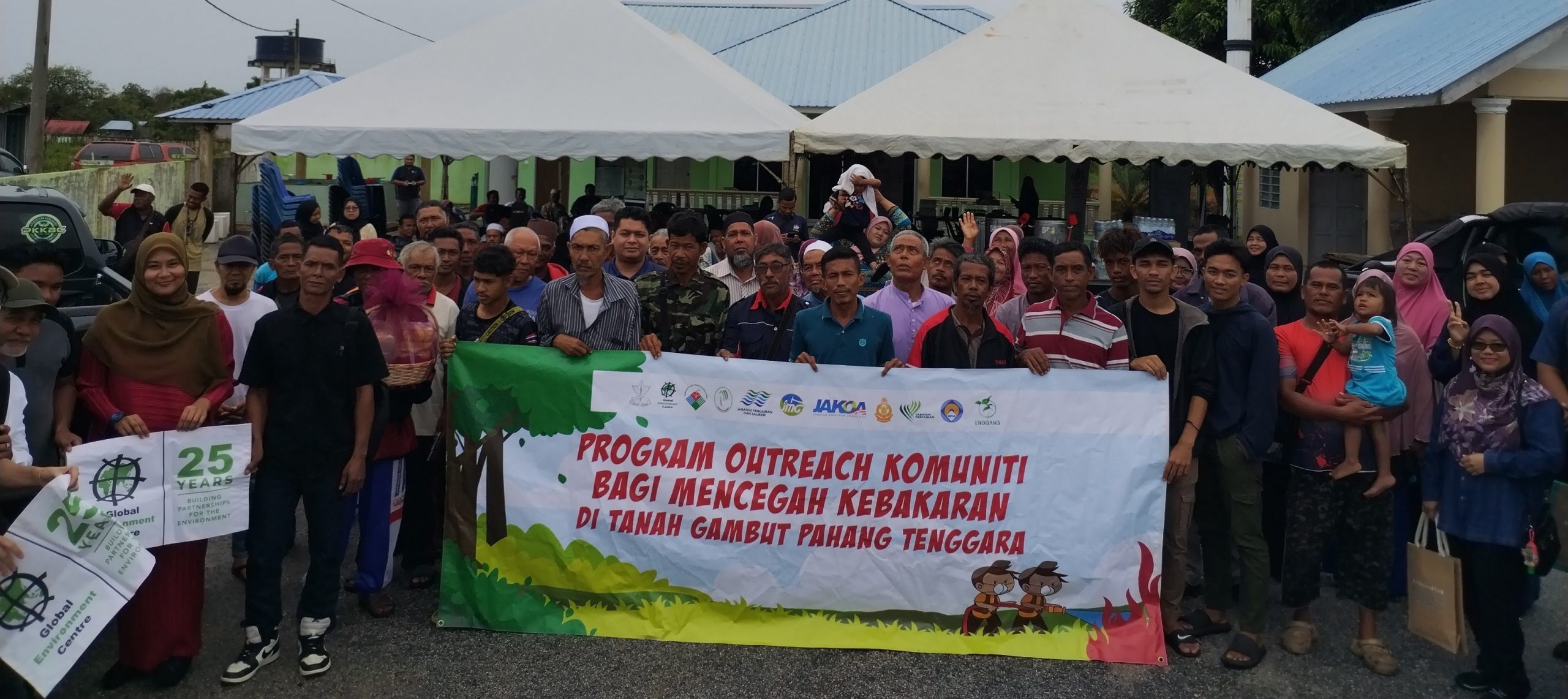
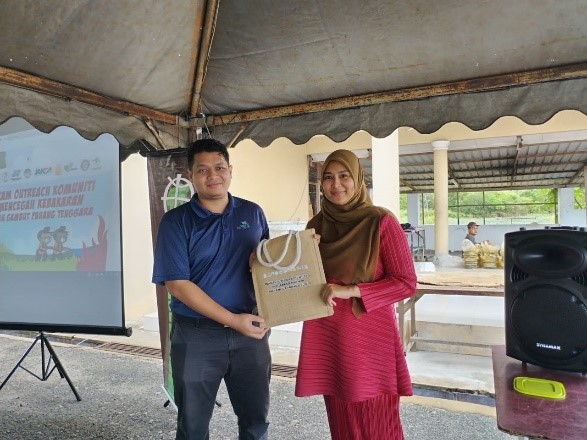
Together with local stakeholders namely the Pahang Department of Environment (DOE) and the Pahang Component of the Sustainable Management of Peatland Ecosystems in Malaysia (SMPEM) has organized a one-day event on 18th August 2023 aimed to raise awareness about fire risks and fire prevention. The programme was well attended by 100 participants including villagers, officials from various government departments including the Pahang Department of Agriculture (DOA), Pahang Minerals and Geoscience Department (JMG), Malaysian Pineapple Industry Board (MPIB), Pahang State Forestry Department (JPNP) and Enggang Holdings.

In his speech, Chairman of Village Development and Security Committee (JPKK), Mr. Samsudin Bin Haji Hassan highlighted the significance of the peatland ecosystem, the hazards associated with open burning, and the potential advantages of improved agricultural practices.

Meanwhile, DOA Pekan’s Assistant Agricultural Officer, Mr. Muhamad Hasnor Bin Hassan encouraged villagers to employ more sustainable farming methods for their pineapple cultivation. DOE’s Environmental Control Officer, Ms. Amirah Syazwani binti Mazlan, presented a video detailing the consequences of engaging in open burning. This was intended to enhance villagers’ understanding and instill a sense of caution regarding such activities.

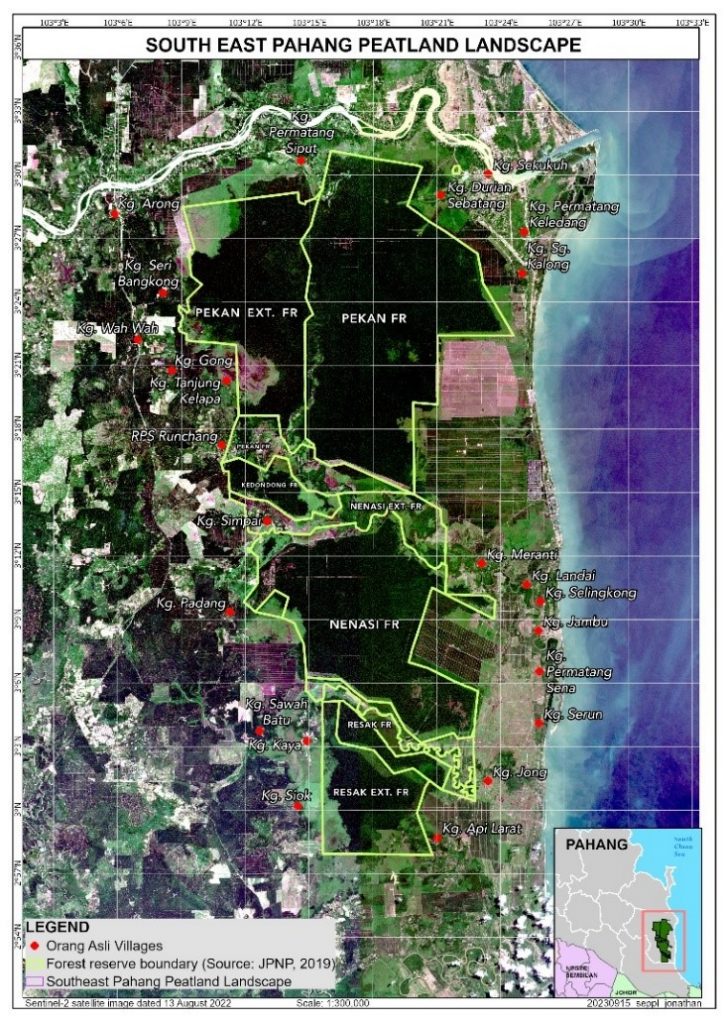
The SEPPL is the largest peatland complex in Peninsular Malaysia with 230,000 hectares including nearly 108,000 hectares of Permanent Reserved Forest and 122,000 hectares of private lands, villages and state land. The landscape covers seven permanent forest reserves named as, Pekan Forest Reserve, Pekan (Extension) Forest Reserve, Nenasi Forest Reserve Nenasi (Extension) Forest Reserve, Resak Forest Reserve, Resak (Extension) Forest Reserve and Kedondong Forest Reserve. Situated in Pekan and Rompin Districts of Pahang State, in Malaysia, this landscape however, confronts challenges akin to other peatlands complex, particular recurring issues of annual peatland and forest fire.

Map credit: GEC

The fires in May 2023 were exacerbated by the strong El-Nino phenomenon which resulted in lower rainfall and unsustainable agricultural practices by the locals. The fires occurred within close proximity to a village – Kampung Baharu Cenderawasih, threatening and putting at risk the safety of the villagers.

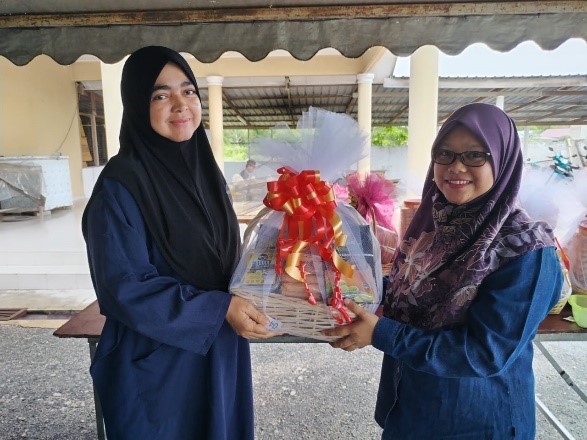
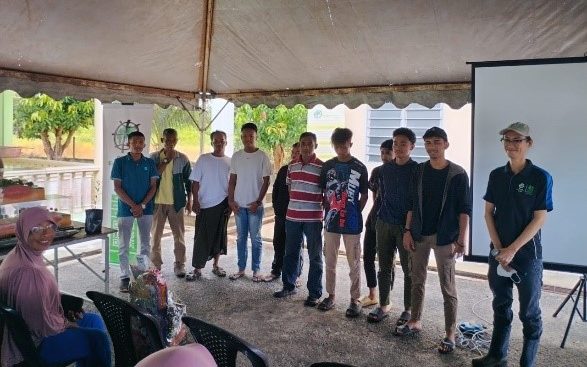
Following this Community Outreach Programme, a Community Fire Brigade was established to serve as the first responders to any land fire-related alert and incidences near their village. The group consists of 10 villagers who will undergo periodic training with Pekan Fire and Rescue Department to ensure they adhere to proper fire prevention and control techniques. This is the second Community-based Fire Brigade established with the support from GEC: the first is from Kampung Meranti – an Indigenous Peoples village community, established in collaboration with the Nenasi Fire and Rescue Department and YP Plantation Holdings Sdn. Bhd.

Photo credit: GEC

With such strong partnership amongst local stakeholders, GEC hopes the SEPPL can be free of forest and land fires, following the success of Bukit Leelau Mini Landscape Programme, in the western part of the SEPPL which has maintained a fire-free record since 2019.

Finalisation of ASEAN Investment Framework for Haze-Free Sustainable Land Management

Final Consultation with ASEAN Member States to support Haze-Free Sustainable Land Management in ASEAN Region

ASEAN is facing serious environmental challenges such as forest fires, unsustainable land management and smoke haze issues, which have led to devastating impact within Q1 2023, the Mekong sub-region recorded a 93% increase in fire hotspots compared to the corresponding period last year, which resulted in exacerbating transboundary haze pollution severely affecting Myanmar, Lao PDR, Vietnam and Thailand[1].   

Building on the formulation of ASEAN Agreement on Transboundary Haze Pollution (AATHP) in 2002, ASEAN now increases its efforts to achieve a Haze-Free ASEAN. However, one of the challenges in the effective implementation of these plans are the lack of dedicated resource allocation or investments, which has inspired the development of the ASEAN Investment Framework for Haze-Free Sustainable Land Management (AIF-HFSLM).

The AIF-HFSLM has been developed as an effort to embark on a cohesive action at sufficient scale, in an integrated manner across various locations and involving multiple stakeholders, following the initial response of the AMS to address the increasing threat of transboundary smoke haze that has adversely impacted at national and regional levels at varying degrees. The strategic documents and mechanisms developed with reference to the AATHP including the new Roadmap on ASEAN Cooperation towards Transboundary Haze Pollution Control with Means of Implementation (Haze-free Roadmap) 2023-2030 and new ASEAN Peatland Management Strategy (APMS) 2023-2030.

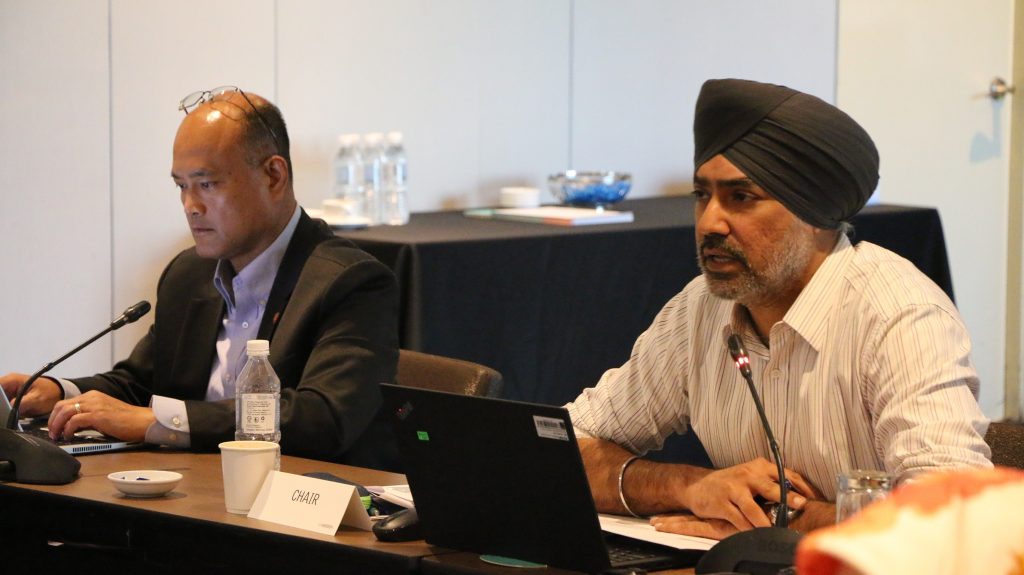
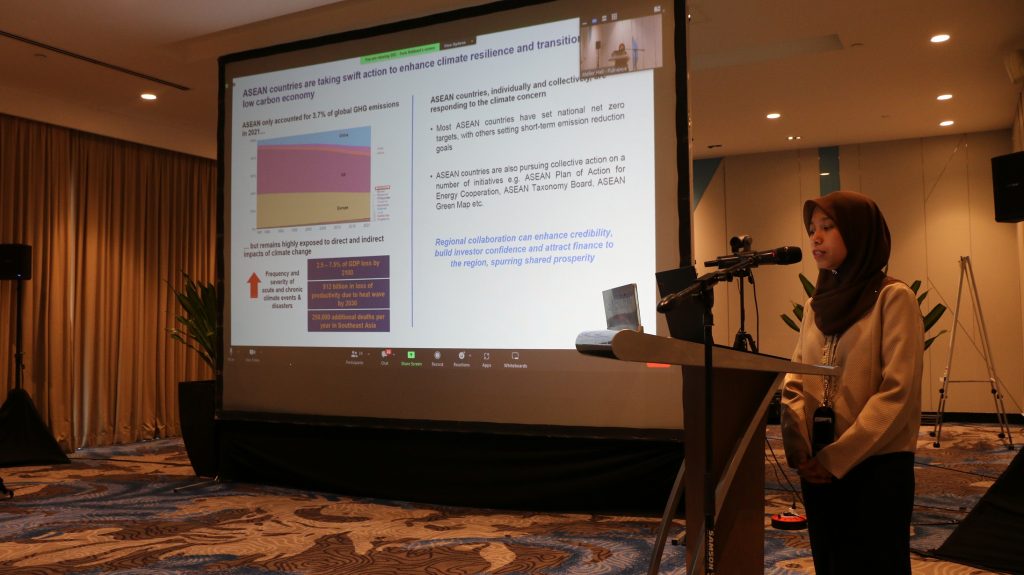
A final consultation workshop on AIF-HFSLM together with the Task Force on ASEAN Haze-Free Roadmap Meeting and Policy Dialogue was hosted in Malaysia’s administrative capital, Putrajaya on 24-26 July 2023. This platform aimed to complete and finalise the AIF and facilitate for an agreement (in principle) amongst all AMS, prior the official Meeting of Committee under the Conference of the Parties (COM) to the AATHP in August 2023.

The final consultation workshop on AIF-HFSLM consisted of two different sessions – i.e., session with AMS focused on finalising input to the AIF document for endorsement; and another interactive session with invited stakeholders from private sector and ASEAN Dialogue Partners for existing innovation that links to the HFSLM. To optimise the opportunity for discussion and exchange of ideas, this workshop was set-up through hybrid setting.

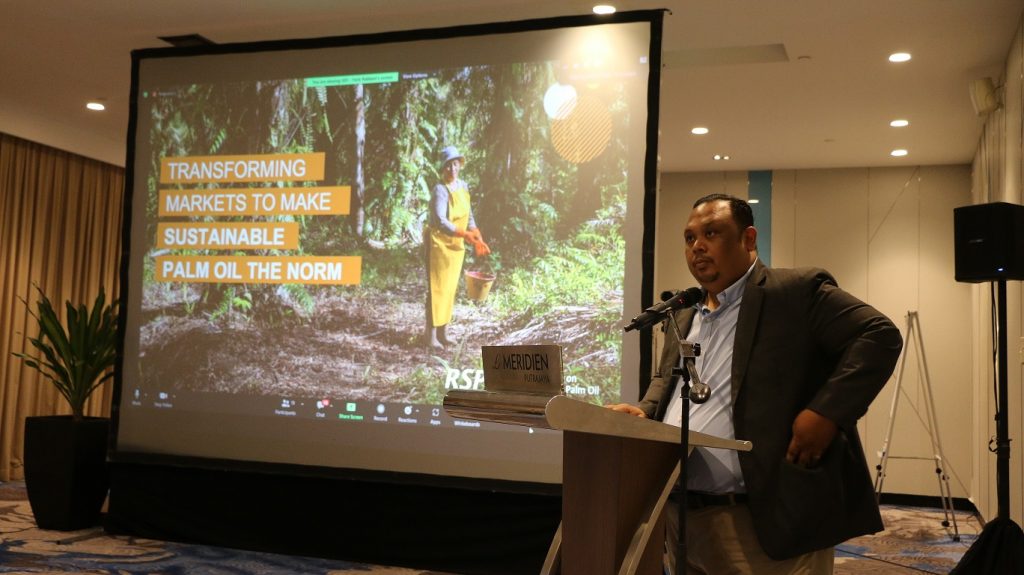
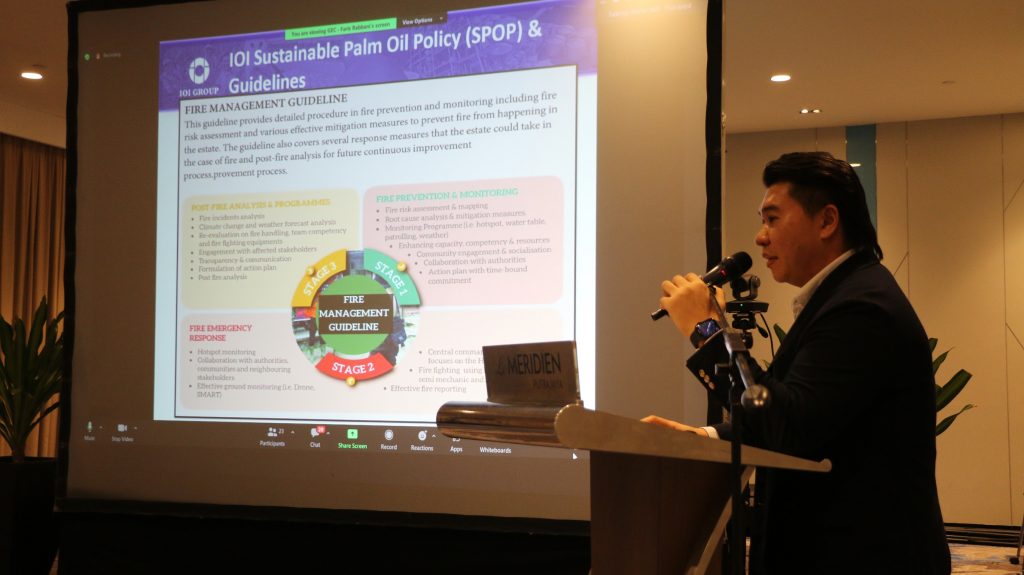
This workshop was attended by local and regional stakeholders including speakers from National Bank of Malaysia (BNM), IOI Group and Roundtable for Sustainable Palm Oil (RSPO) who have provided insight on their sustainability move and policies supporting HFSLM and green financing; whilst representative from Pollution Control Department (PCD) of Thailand informed on new CLEAR Sky Strategy being developed by Thailand, Lao PDR and Myanmar in respond to the transboundary smoke haze early this year. This platform also served as plenary discussion for interaction amongst public and private sectors to strengthen capacity and explore collaboration to expand initiatives and upscale actions to achieve one common goal: a Haze-Free ASEAN for all.

This final consultative workshop was a follow-up to previous consultative workshops held in 2022-2023: the First Consultation Workshop hosted in Singapore (Sept 7) and Second Workshop in Bangkok, Thailand (Sept 22) in 2022, followed by the Initial Investment Framework Workshop (Jan 11) through online platform, and Third Workshop in Jakarta, Indonesia (March 28-29) in 2023.

The finalised ASEAN Investment Framework will be submitted to the Committee of the Conference of Parties to the ASEAN Agreement on Transboundary Haze Pollution for endorsement at its 18th Meeting on 23 August 2023 in Vientiane, Lao PDR.


[1] Source taken from https://www.thaipbsworld.com/thai-myanmar-and-lao-pms-to-cooperate-more-closely-on-cross-border-haze/

Enhancing Climate Action through Peatlands

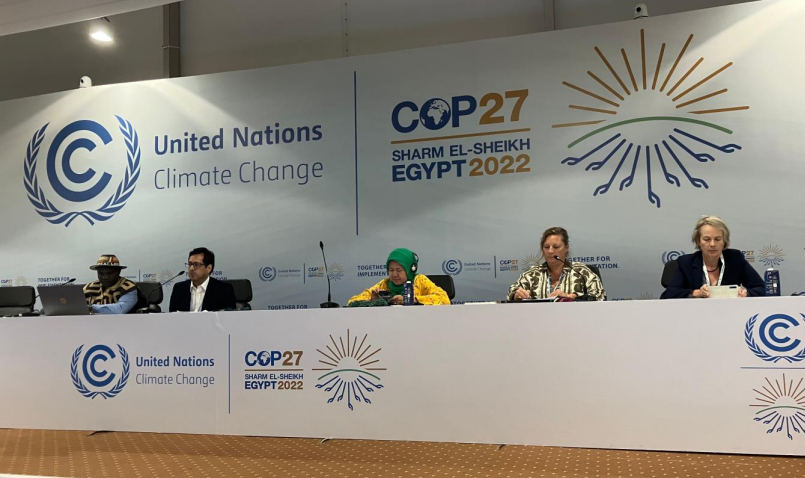
In week 2 of COP27, GEC and Wetlands International in collaboration with FAO, Greifswald Mire Centre, IFAD, Ramsar Convention on Wetlands Secretariat and UNEP – Global Peatland Initiative organised an Official Side Event on “Enhancing Climate Action through Peatlands” which speakers discussed the criticality of safeguarding our precious peatland ecosystems.

In concluding the forum, Mr Parish, Director of GEC, reiterated the need to rewet and restore degraded peatlands, enhance the protection of existing peat ecosystems, consider peatlands in the climate adaptation strategies and integrate the positive benefits of peatlands on the economy.

This forum was attended by over 50 delegates, including speakers and organisers, with 90 over viewers following the session live via COP27 Official Youtube Channel. By the end of UNFCCC COP27, the Youtube video recording received more than 1,500 views.

Speakers include: Dr Vong Sok, ASEAN Secretariat; Ms Sri Parwati Murwani Budisusanti, Indonesia; Mr Manuel García Rosell, Peru; Mr Shaq Koyok, Indigenous Peoples’ representative, Malaysia; Ms Jane Madgwick, Wetlands International; Mr Faizal Parish, GEC; Ms Amy Duchelle, FAO; IFAD/ASEAN Secretariat; among others.

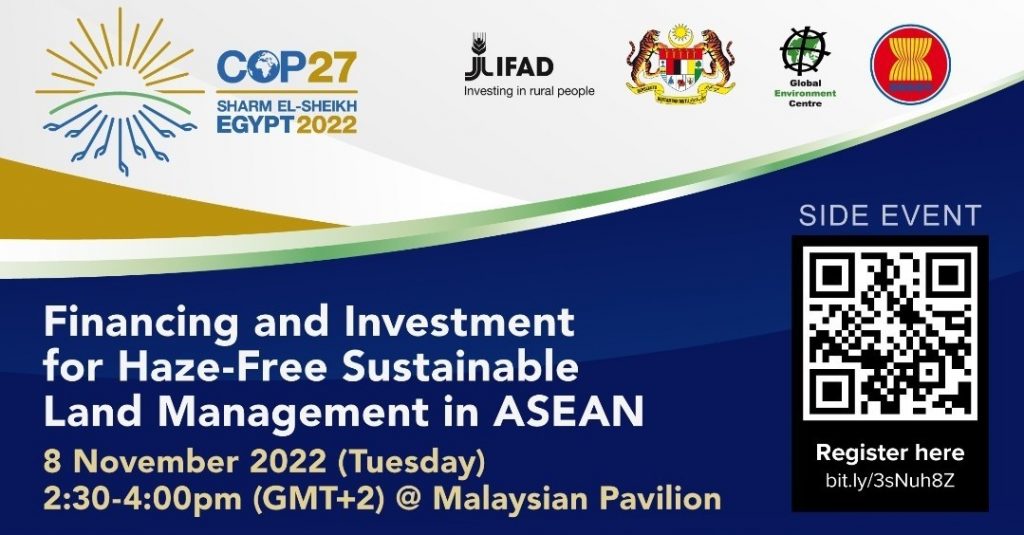
Financing and Investment for Haze-Free Sustainable Land Management in ASEAN

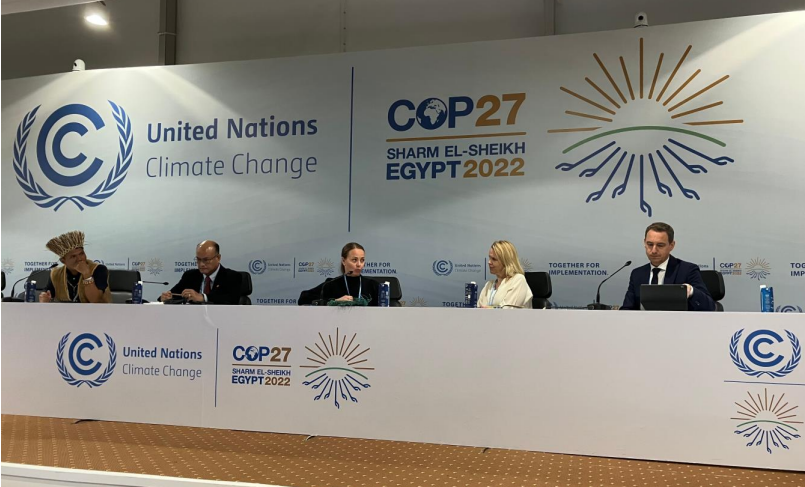
This first side event was co-organised by the Government of Malaysia together with GEC, in partnership with the ASEAN Secretariat and IFAD.

It featured key speakers discussing the strategies to halt massive peatland, forest and land fires that causing transboundary haze in Southeast Asia by securing multi-stakeholder partnerships and US$1.5 billion to finance sustainable low-emission land management in ASEAN.

The forum concluded with a closing remarks highlighting that investment framework for haze-free sustainable land management is one of the key mechanisms to prevent transboundary haze and forming alliance between organisations is crucial to ensure haze-free ASEAN.

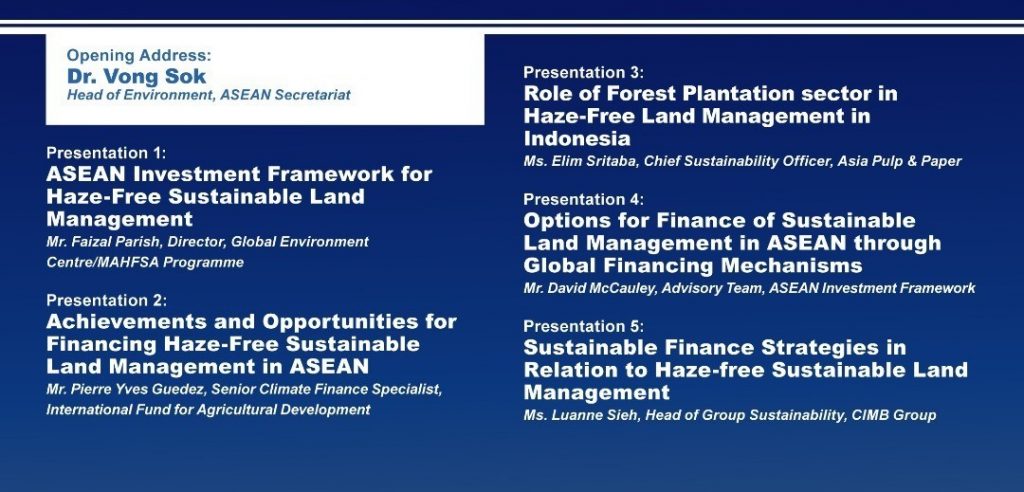
The forum was attended by in person delegates and followed by online participants via Facebook Live of the Ministry of Environment and Water Malaysia. Speakers included: Dr Vong Sok, Head of Environment of ASEAN Secretariat; Mr Faizal Parish, Director of GEC; Mr Pierre Yves Guedez, Senior Climate Specialist of IFAD; Ms. Elim Sritaba, Chief Sustainability Officer of Asia Pulp & Paper; Mr. David McCauley, Advisory Team of ASEAN Investment Framework; and Ms Luanne Sieh, Head of Group Sustainability of CIMB Group.

SUPA Component 1 Organised GIS Training for Peatland Mapping in Lao PDR and the Philippines

It is estimated that 40% of the world’s known tropical peatlands and roughly 6% of the entire extent of global peatland resource are found in Southeast Asia, covering an estimated area of 23 million hectares. These peatlands are valuable ecosystems, critical for preserving biodiversity and storing carbon. Drainage and unsustainable management practices have made peatlands vulnerable to fire, which then creates toxic smoke in the region and that poses serious health hazards and emits tons of greenhouse gases. One of the main strategies to conserve peatlands is through mapping and monitoring. This enables experts and policy makers to locate where peatlands are (location and extension) and monitor changes in peatland condition, allowing for effective strategies and action on the ground to be in place in order to counter degradation and restoration intervention, if needed. Mapping peatlands also help countries to plan and better manage this carbon-rich ecosystem. Without accurate peat map at nationwide scale, managing peatlands would be cumbersome.

Among the methods to identify peatlands is through Geographic Information Systems (GIS) – a computer system for capturing, storing, checking, and displaying data on the Earth’s surface. In GIS, different satellite imageries that are sensitive to the bio-physical properties of peatlands can be integrated to map them and estimate their extension.

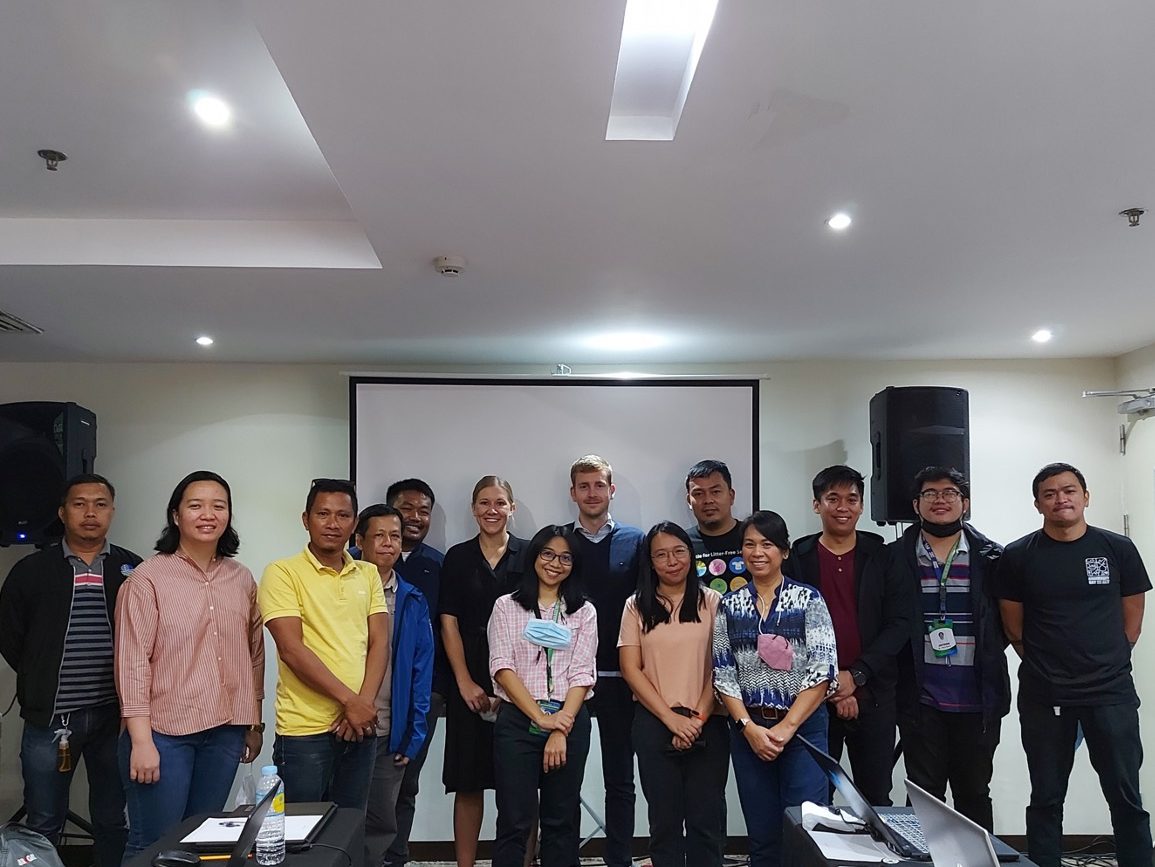
To ensure ASEAN Member States (AMS) have the knowledge and skill to map their peatlands, GIZ – SUPA Component 1 organised “GIS Training for Peatland Mapping” in the Philippines on 3-4 November 2022 and in Lao PDR on 7-9 November 2022, where technical experts from Cambodia, Thailand and Viet Nam also participated.

 “The training aims to give the participants a better understanding of the method used for mapping potential peatlands nationwide in Lao PDR and the Philippines. We are using optical satellite imagery, radar data and a digital elevation model to identify peatlands by their typical hydro-ecological characteristics. The participants learned about the benefits and limitations of this remote sensing based approach and how to continue working with provided data,” said Werner Wiedemann, the trainer from Remote Sensing Solution.

The two-days training introduces the participants to the identification of suitable data sources, data collection, use of different thematic layers from different sources and methods how to process remote sensing data for the identification of potential peatlands. Part of training focused on the use of remote sensing software like eCognition for object-based image classification and GIS.

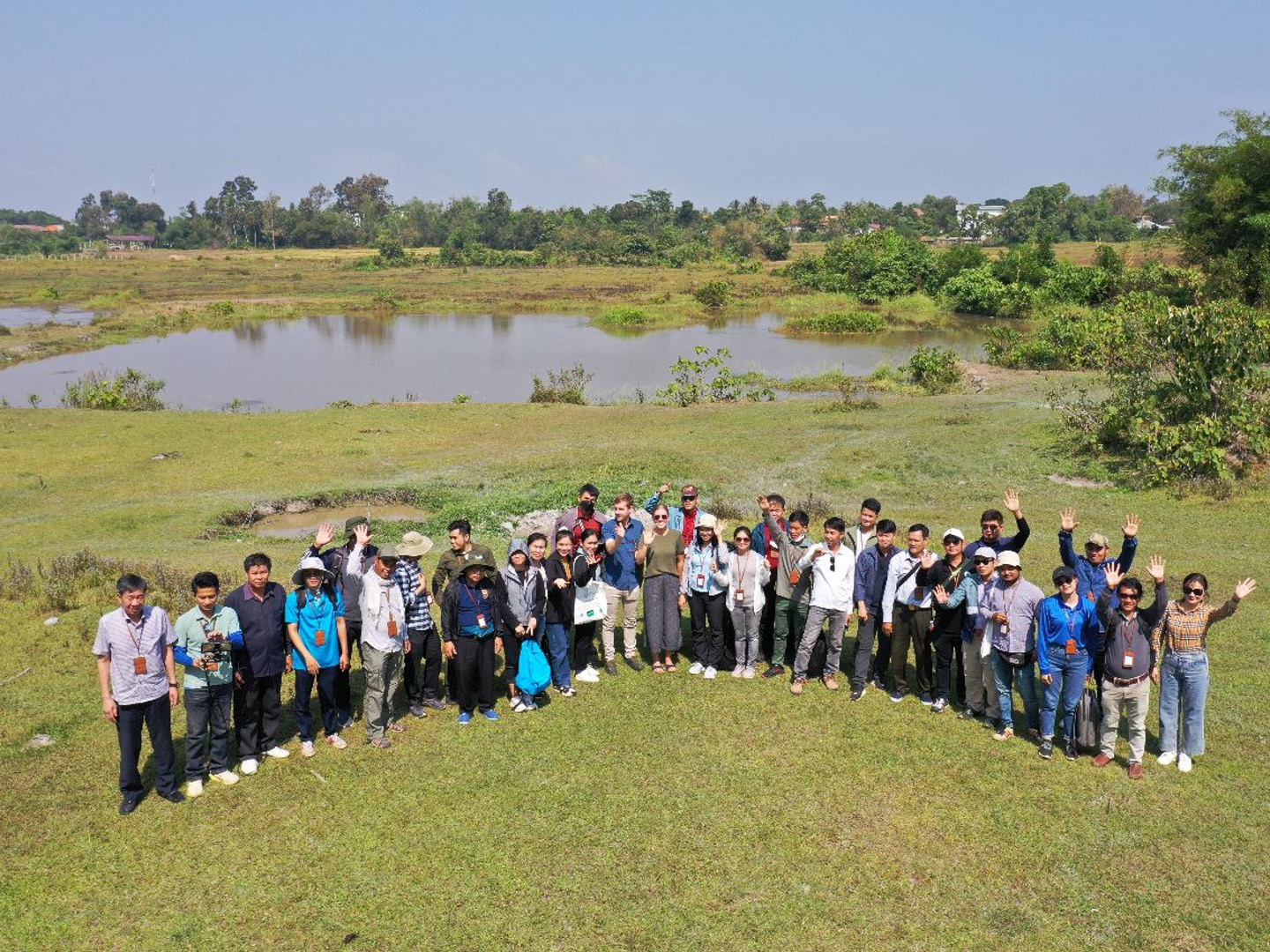
For the training in Lao PDR, a field trial was organised learn about image data acquisition using a drone, and to undertake further evaluation and interpretation process. The aim was to evaluate when and how drone data can complement conventional sampling methods as for example, in the case of inaccessible areas.

GIS Training for Peatland Mapping, 3-4 November 2022 in Quezon City, Philippines

“The training is very engaging and hands-on practice sessions are very effective because we acquired new knowledge in basic Remote Sensing despite limited time. The trainers are very accommodating in answering the participants questions and despite of our limited time they manage to explain key details related to remote sensing analysis such as the different bands. and what are and how each of them can be interpreted to identifying peatlands and other important data,” said Jeffrey Jaymes Mesias, participant from Biodiversity Management Bureau (BMB) of the Republic of Philippines.

SUPA Component 1 organised webinar on the development of a new ASEAN Peatland Management Strategy 2022-2030

The ASEAN Peatland Management Strategy (APMS) 2006-2020 was developed in 2005 and adopted by ASEAN in 2006. Based on the Final Review of the APMS – completed and agreed by the ASEAN Member States in January 2021 – it was recommended that a new APMS 2022-2030 should be reformulated to maintain and scale-up action for sustainable peatland management in the region. The development of the new APMS 2022-2030 is being supported by Sustainable Use of Peatlands and Haze Management in ASEAN (SUPA) Programme Component 1.

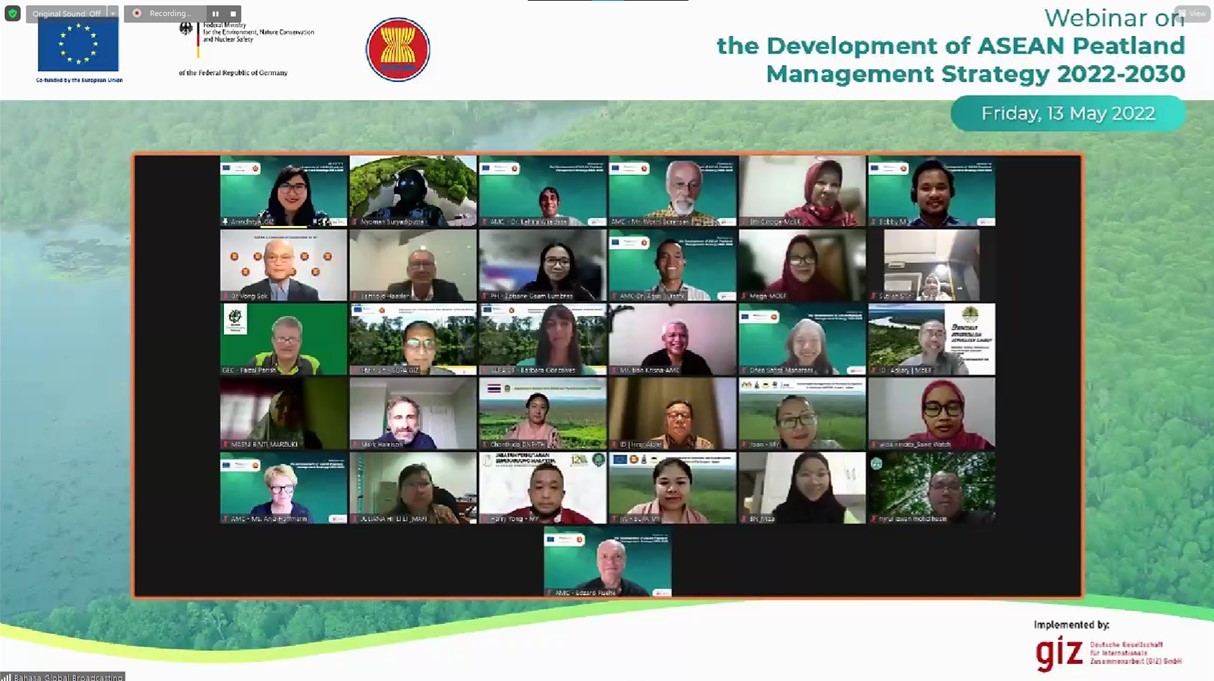
As part of the formulation of the APMS 2022-2030, a Webinar on the Development of a New ASEAN Peatland Management Strategy 2022-2030 (APMS 2022-2030) was conducted on 13 May 2022. The Webinar aimed to provide an opportunity for wide ranging stakeholders including experts, national authorities and NGOs to give their inputs and expert opinion in the new APMS 2022-2030. The Webinar was attended by 132 participants, consisted of the Task Force Members for the Development of the new APMS 2022-2030, representatives from the Committee under Conference of the Parties to the ASEAN Agreement on Transboundary Haze Pollution (COM AATHP), ASEAN Task Force on Peatlands (ATFP), Senior Officials Meeting of the ASEAN Ministers on Agriculture and Forestry (SOM-AMAF), ASEAN Senior Officials on Forestry (ASOF), ASEAN Peatland Partners, non-governmental organisations (NGOs), universities and research institutions from the ASEAN and other regions, as well as private sectors.

Dr. Vong Sok, Head of Environment Division of the ASEAN Secretariat and Mr. Muamar Vebry, Programme Manager for Climate Change, Delegation of the European Union (EU) to ASEAN delivered their opening remarks at the Webinar. Dr. Vong emphasised the importance of peatland management in ASEAN in addressing transboundary haze pollution, with APMS as a workplan to address the pressing need for wise use and sustainable management of peatlands. He also underlined the result of the Final Review of the previous APMS (2006-2020) which reaffirmed the values of sustainable peatland management in the region by means of collective actions and enhanced cooperation. Mr. Vebry highlighted that the EU and the German Government, through SUPA Programme, have been supporting the Final Review of the initial APMS 2006-2020 as well the development of the new APMS 2022-2030. He also conveyed that the EU, as the region which also has significant peatland areas, would be pleased to share lessons learn and knowledge in peatland management.

The consultants from Asian Management Consulting (AMC) presented the focal areas and action plan of the new APMS, followed by discussion session. Then, all participants were divided into four breakout sessions on different topics, where they discussed and gave technical feedback through Mural board.

The inputs from the Webinar are found to be wide ranging with invaluable insight for the development of a new ASEAN Peatland Management Strategy 2022-2030, particularly for the new APMS 2022-2030 to be developed as an ambitious and robust strategy in addressing the challenge in peatland management in the ASEAN Region.

Following the Webinar, AMC would incorporate the insights received to develop the draft new APMS 2022-2030 to be further discussed and adopted by the ASEAN Member States.